What hand sanitizer is actually meant to do
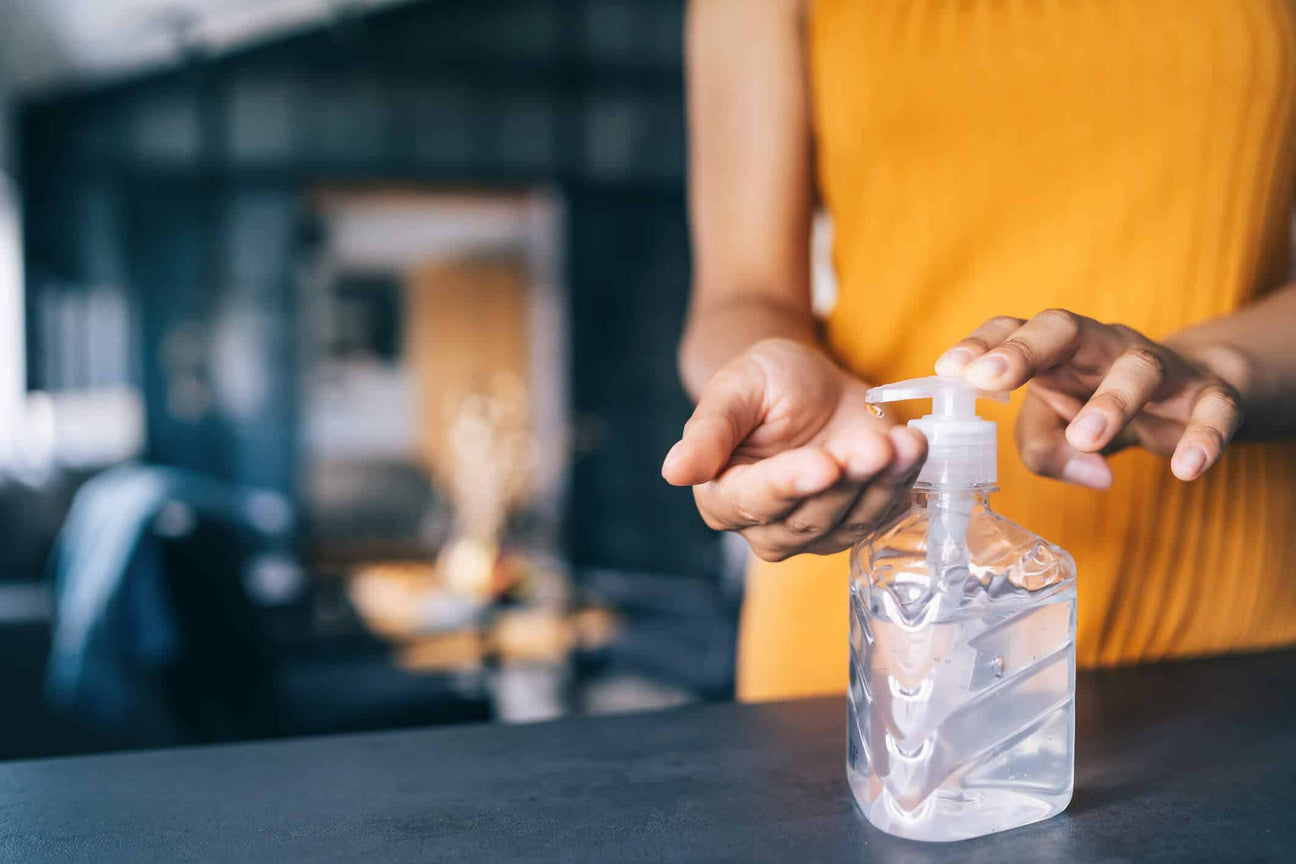
Hand sanitizer is for times when you need to clean your hands and there is no sink nearby. Its job is straightforward: reduce many common germs on the skin quickly. In most cases, that comes down to the active ingredient, not the marketing on the front label.
If you are comparing natural hand sanitizers, check the Drug Facts panel first. For an alcohol-based sanitizer, the active ingredient should be clearly listed as ethyl alcohol (ethanol) or isopropyl alcohol, along with the percentage. A useful rule of thumb is 60% to 95% alcohol. If a label says "natural" but is vague about the active ingredient, leaves out the percentage, or relies only on essential oils without clearly listing alcohol content, it is probably not the best choice.
In this category, "natural" usually means the formula may include plant-based moisturizers, aloe, glycerin, or essential oils, and may leave out some of the heavier fragrance or sticky feel people dislike. That can make frequent use easier for some families. Still, the active ingredient matters most.
How to choose a good natural hand sanitizer
Start with the alcohol type and percentage. Many customers prefer ethyl alcohol, especially if they want a simpler ingredient list. Isopropyl alcohol is also common and can work well. What to avoid is vague wording like "germ-fighting botanical blend" that never tells you the actual active ingredient and strength. If the label is not clear, you do not really know what you are getting.
Then think about format. Sprays work well for cars, office desks, and backpacks because they feel lighter and usually dry fast. Gels are often easier for kids because they are less likely to miss the hands completely, and many parents like that they stay where you put them. If your hands dry out easily, look for formulas with aloe or glycerin and keep a hand lotion or body lotion nearby. Many of our customers do best with sanitizer for quick cleanups and moisturizer after, especially in Wisconsin winters.
Scent matters more than people expect. If you use sanitizer several times a day, a strong fragrance can get old quickly. For sensitive hands, a lightly scented or unscented option is often the best place to start. Essential oils can smell nice, but for some people they are irritating, especially with repeated use.
Who usually reaches for this category
Hand sanitizer is useful for parents, teachers, commuters, travelers, and anyone who wants a quick option between errands. We also hear from customers looking for a "natural sanitizer for kids," and they usually mean a formula that feels less harsh, smells better, and is easy to toss into a lunch bag or sports bag.
That said, "for kids" should not mean weaker or unclear. The same label-reading rules still apply. You want a clearly identified active ingredient and a clearly stated percentage. For younger children, adult supervision matters, and sanitizer should not replace handwashing when hands are visibly dirty. Soap and water are still the better choice after messy play, before eating when possible, and anytime hands have obvious grime on them.
If you want other on-the-go wellness staples, you can also browse our body care collection or reach out through our contact page if you want help comparing options.
Common mistakes people make when buying
One mistake is assuming "natural" automatically means effective. In this category, cleaner ingredients can be a plus, but they do not replace a properly labeled active ingredient.
Another is choosing based only on scent or texture. A sanitizer can smell great and still be a poor choice if the alcohol percentage is missing or too low. People also sometimes buy giant bottles because they seem convenient, then realize what they really needed was a small spray for the car or a leak-resistant gel for a backpack. Matching the format to real life helps.
A final mistake is using sanitizer on already irritated or cracked skin with no backup plan. If your hands are dry from frequent cleaning, pair sanitizer with a simple moisturizer and give your skin a chance to recover. Comfort matters. If something feels awful to use, most people stop using it.
Safety notes worth knowing
Keep hand sanitizer out of reach of young children unless an adult is supervising. These products are for external use only. Avoid contact with eyes, and do not ingest them. Alcohol-based sanitizers are flammable, so keep them away from high heat or open flame, especially in cars during hot weather. If irritation develops, stop use and wash the area with water. Anyone with very sensitive skin, frequent eczema flare-ups, or questions about ingredient tolerability may want to check with a healthcare professional first. You can also learn more about our practitioners at Our Experts.
Quick questions we hear a lot
Is alcohol-free hand sanitizer a good idea?
For most people, it makes sense to be cautious. If the label does not clearly explain the active ingredient and how it is intended to work, it is harder to compare with confidence. In general, alcohol-based formulas with a clearly stated percentage are the easiest to evaluate.
Is natural hand sanitizer better for sensitive hands?
Sometimes, yes. Added aloe, glycerin, and a lighter feel can make frequent use more comfortable. But "natural" does not guarantee gentle. Fragrance and essential oils can still bother some people, so simpler ingredient lists usually win.
Should hand sanitizer replace handwashing?
No. Think of it as a convenient backup when soap and water are not available. For visibly dirty hands, handwashing is still the better option.
These statements have not been evaluated by the Food and Drug Administration. These products are not intended to diagnose, treat, cure, or prevent any disease.
If you are not sure what format makes the most sense for your family, ask us. Our team can help you sort through what works best for desks, cars, backpacks, or sensitive hands.