What aromatherapy essentials actually are
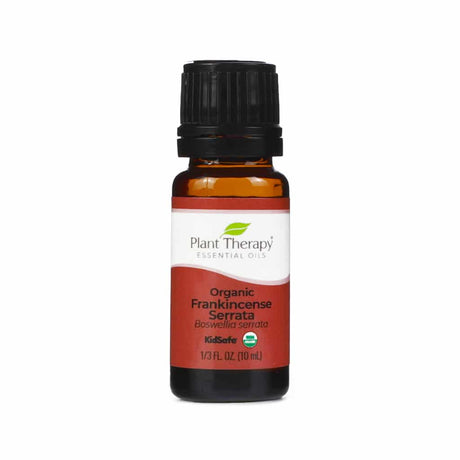
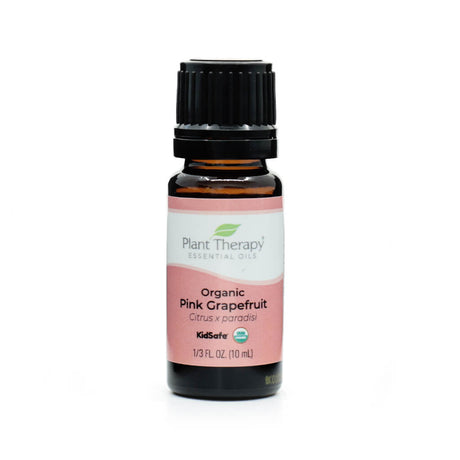
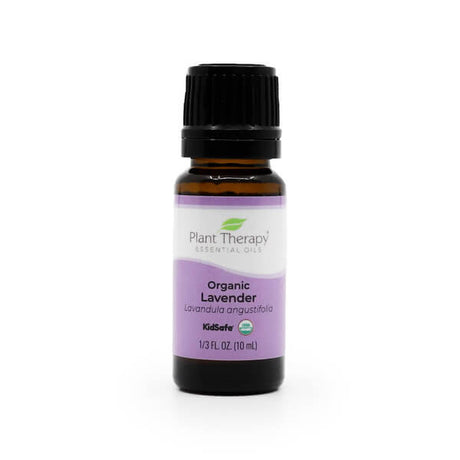
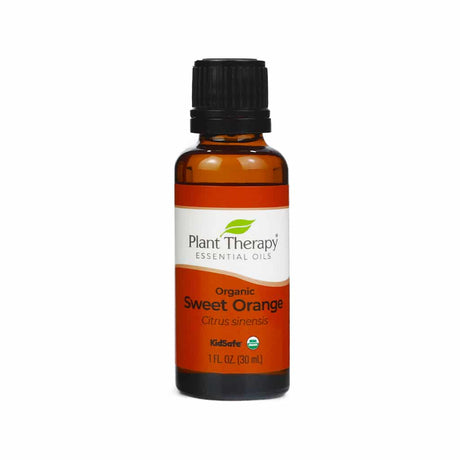
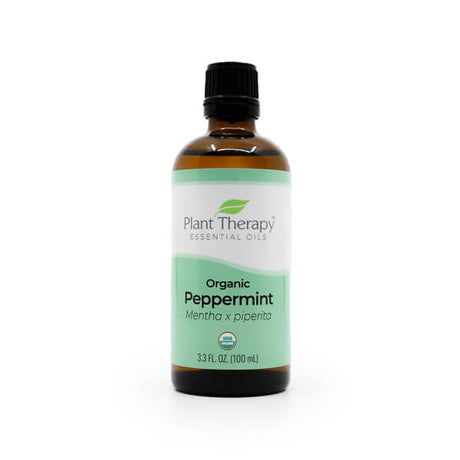
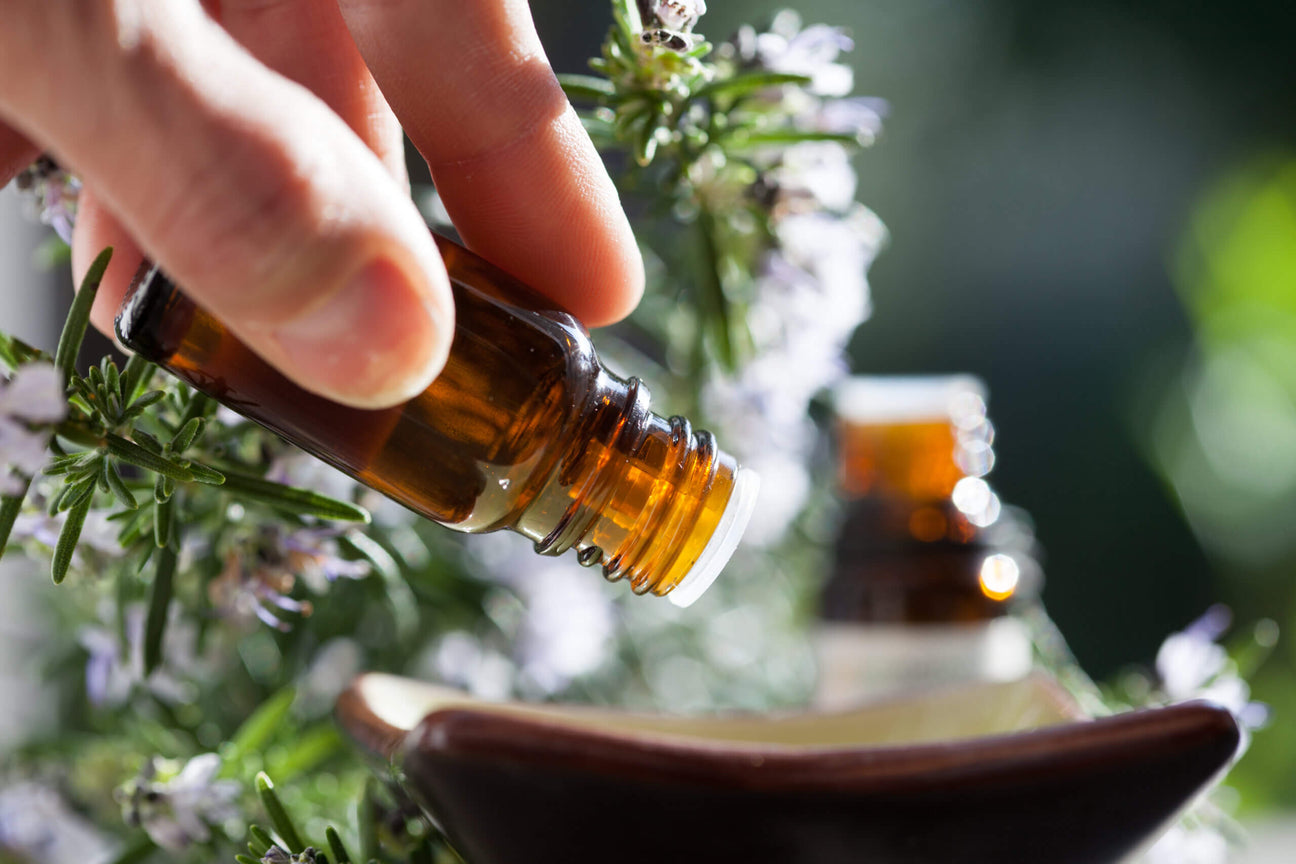
Aromatherapy usually starts with essential oils, concentrated aromatic compounds taken from plants through steam distillation or cold pressing. The extraction method matters because it affects both the aroma and how the oil is typically used. In this collection, most options are steam distilled, including Plant Therapy Organic Frankincense Serrata Essential Oil and Plant Therapy Organic Lavender Fine Essential Oil. Plant Therapy Organic Pink Grapefruit Essential Oil is cold pressed from the peel, which is why it has that bright, juicy citrus scent.
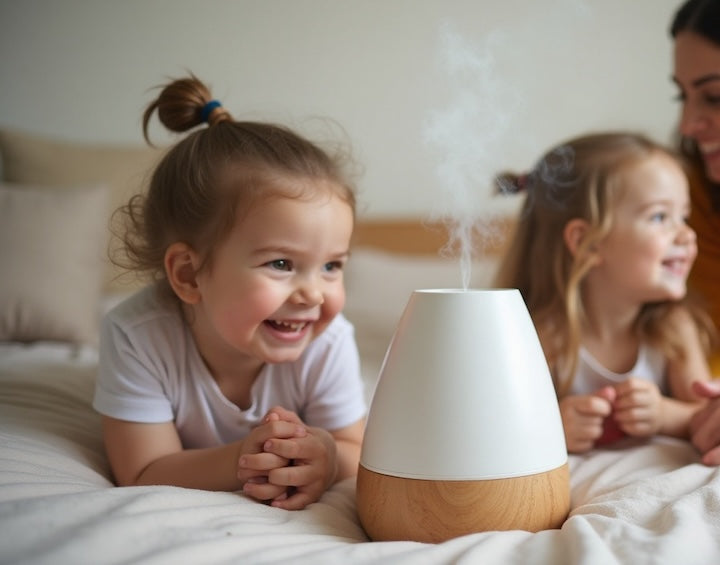
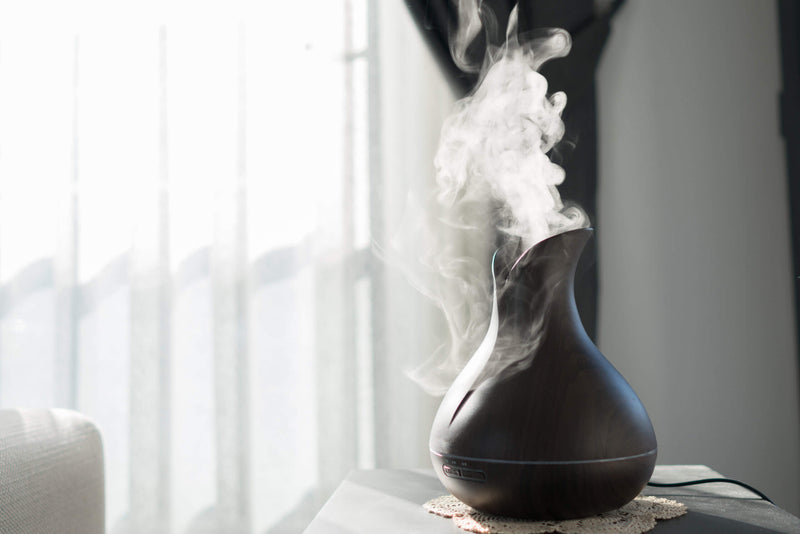
People use essential oils in a few main ways. Diffusion is popular for setting a mood or freshening a room. Topical use is common too, but essential oils are highly concentrated and usually need to be diluted before they go on skin. Some oils are chosen for calm and relaxation, some for a clearer, more focused atmosphere, and some for seasonal home use or outdoor routines. The point is not to make one bottle do everything. It is to match the oil's aroma profile and traditional use to what you actually want from it.
How different oils are typically used
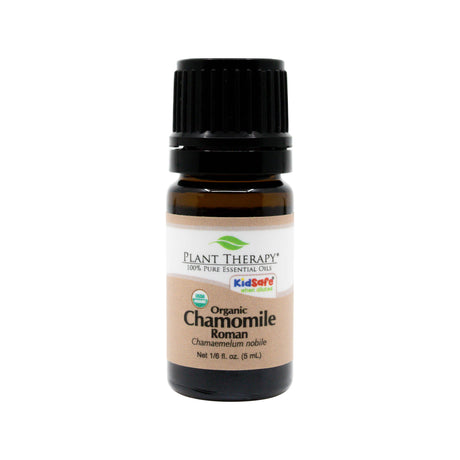
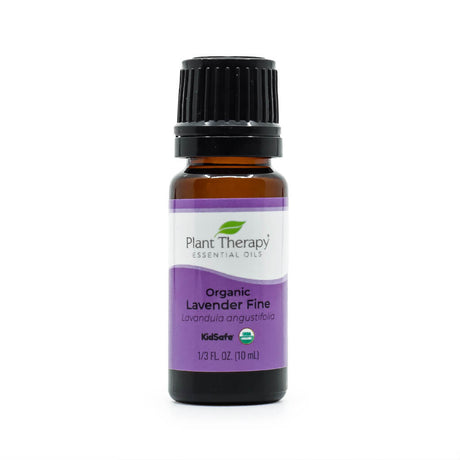
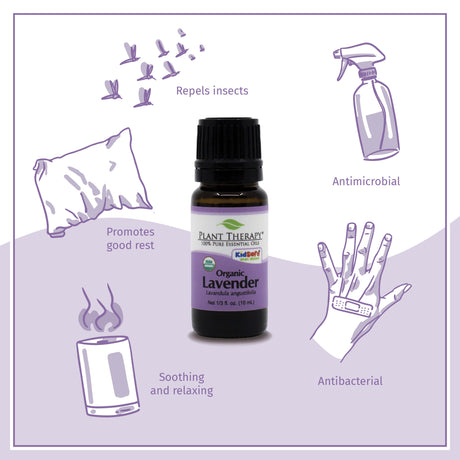
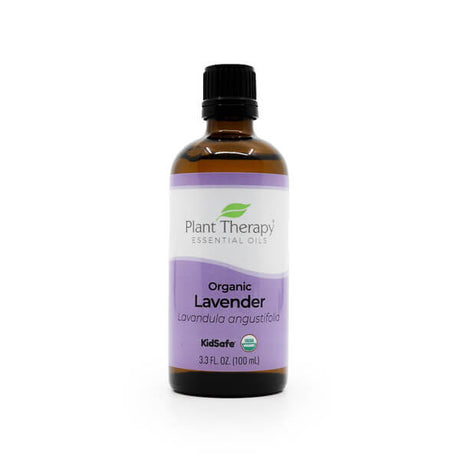
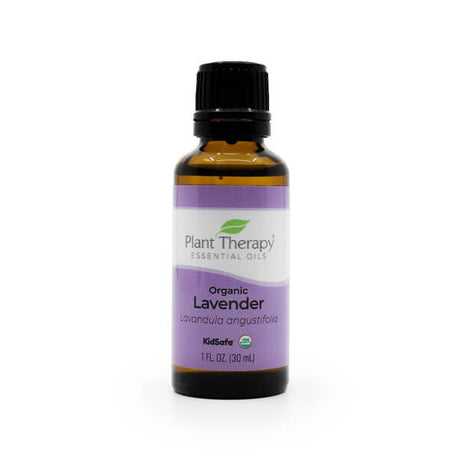
If your main goal is winding down, floral and resinous oils are usually where people start. Plant Therapy Organic Chamomile Roman Essential Oil and Lavender Fine are both classic picks for promoting relaxation and a calm mood. Frankincense is another common choice, but the species can get confusing quickly.
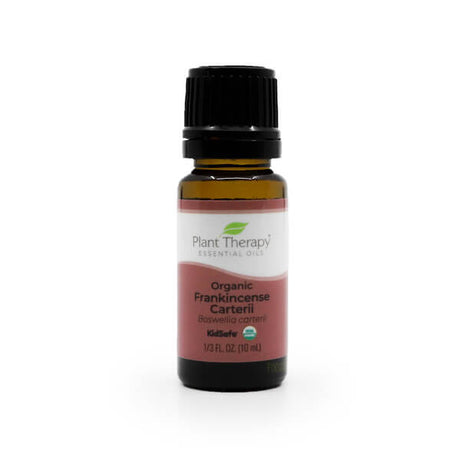
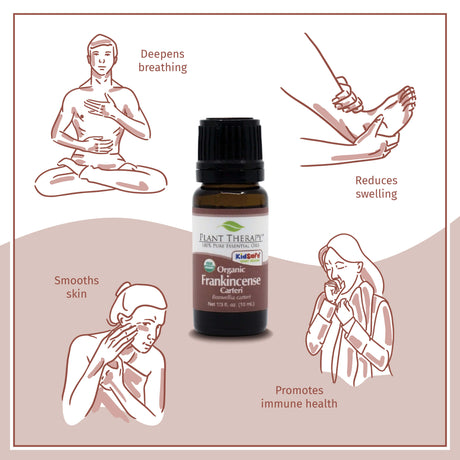
We get asked about the difference between serrata and carterii all the time. Based on the product profiles here, Plant Therapy Organic Frankincense Carterii Essential Oil is often chosen for a rich, grounding aroma and relaxation during everyday stress, while Frankincense Serrata is described more around joint comfort, muscle relaxation, healthy immune function, and calm mood support. If you are choosing mainly for diffusion, the scent itself may be the deciding factor. If you are choosing for a post-workout massage blend, Serrata may be the first one to compare.
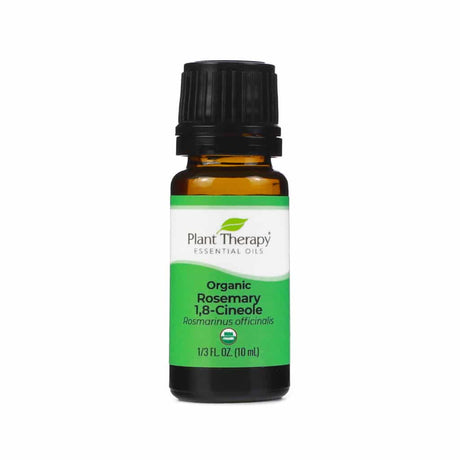
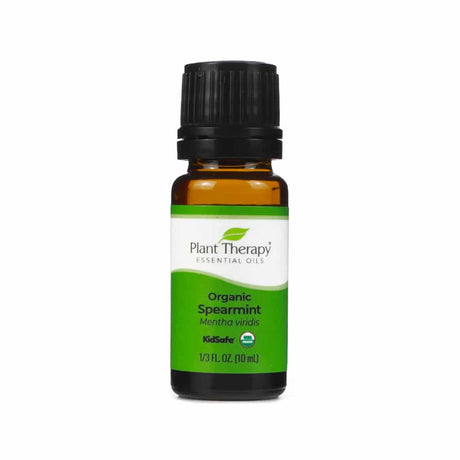
For a fresher, more energizing feel, rosemary, grapefruit, and spearmint are good examples. Plant Therapy Organic Rosemary 1,8-Cineol Essential Oil is commonly used to support mental alertness and respiratory comfort. Pink Grapefruit and Plant Therapy Organic Spearmint Essential Oil are both popular in uplifting blends, and Spearmint stands out here because Plant Therapy positions it as a gentler, kid-safe mint.
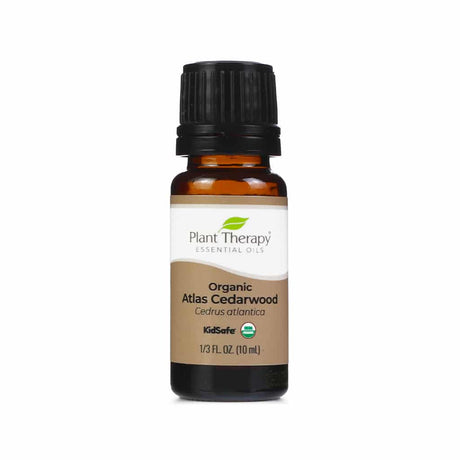
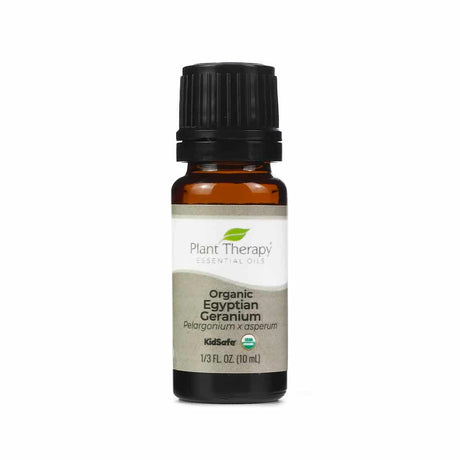
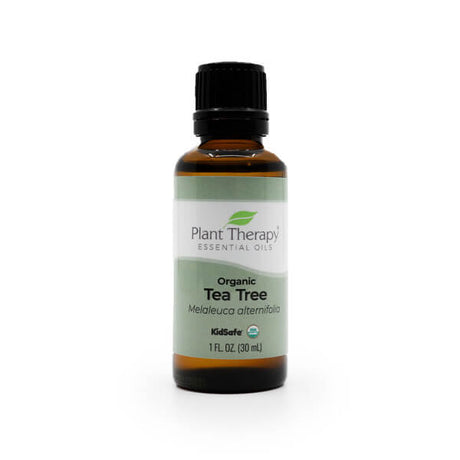
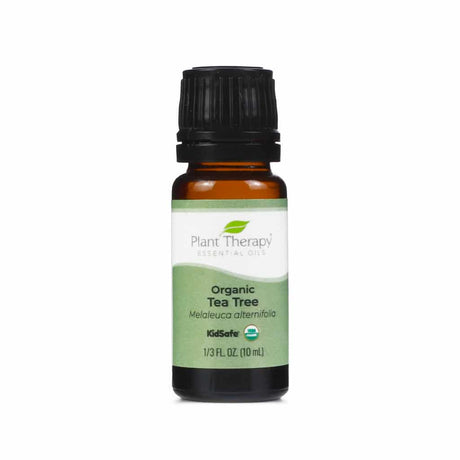
For skin and personal care, people often look at oils like tea tree, geranium, cedarwood, and lemon eucalyptus. While tea tree is one of the top searches for this collection, this page's current assortment leans more heavily toward other organic singles such as Plant Therapy Organic Egyptian Geranium Essential Oil for skin-balancing support and Plant Therapy Organic Cedarwood Essential Oil for scalp and hair care routines.
How to choose the right essential oil
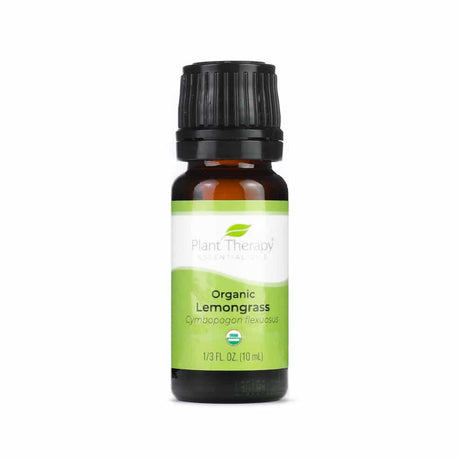
Start with the scent family you enjoy. It sounds obvious, but it is the easiest way to avoid buying a bottle that ends up in the back of a drawer. If you like woodsy, grounding aromas, Cedarwood, Australian Sandalwood, and the frankincense oils make more sense than bright citrus. If you prefer fresh and cheerful, Pink Grapefruit or Lemongrass may be a better fit.
Next, look at the plant species or chemotype. Rosemary is a good example. Rosemary 1,8-Cineol tells you this is a specific aromatic profile that people often choose for focus and respiratory support. Frankincense species matter too, as noted above. Those details are more useful than vague words like "premium."
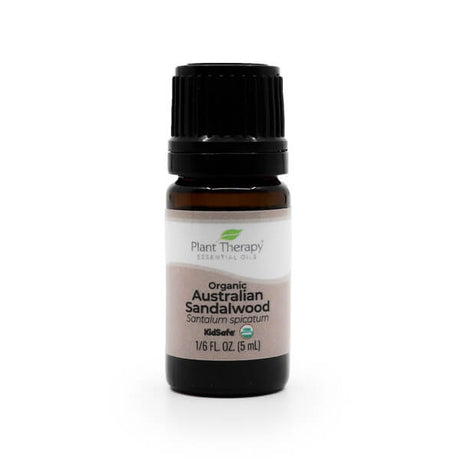
Then check bottle size. In this collection, most oils are 10 mL, but a few stronger or more precious oils come in 5 mL, including Roman Chamomile and Australian Sandalwood. The smaller size does not mean lower quality. Usually it reflects rarity, the cost of raw material, or how little you need per use.
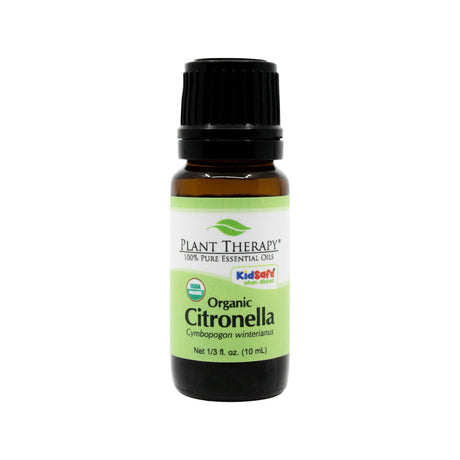
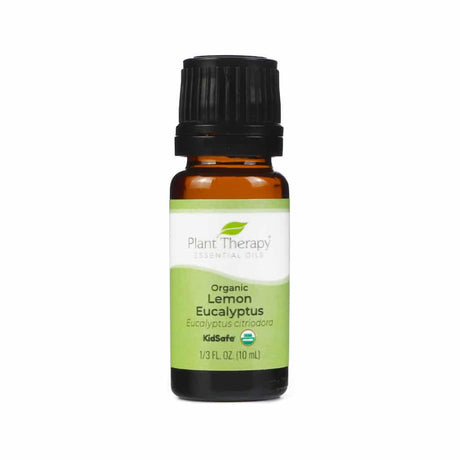
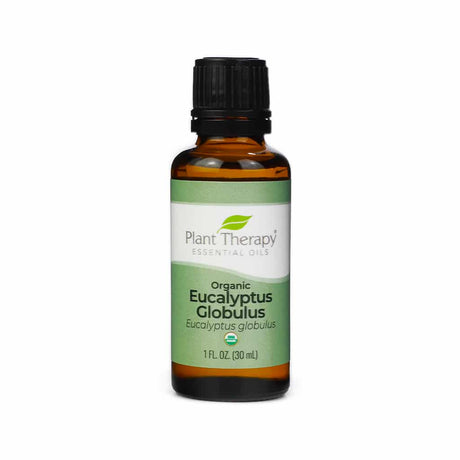
Finally, think about your intended use. For diffusion, aroma preference matters a lot. For topical blends, gentleness matters more. For outdoor blends, oils like Citronella and Lemon Eucalyptus are usually the ones people compare first. If you are building a broader home wellness routine, you might also want to browse our homeopathic remedies or connect with one of our experts for more personalized guidance.
Common mistakes people make
A lot of people choose by trend instead of scent. If you do not enjoy the aroma, you probably will not use it consistently. Another big one is using essential oils directly on skin without dilution. Even gentle oils can be irritating when undiluted. People also assume all frankincense, lavender, or rosemary oils are interchangeable, but species, growing conditions, and extraction all shape the final product. Using too much is common too. A few drops in a diffuser or blend is often plenty.
Another common issue is expecting one oil to do everything. Lavender can be versatile, but it does not replace every other category. A calming bedtime diffuser blend and a bright morning focus blend are usually better built from different oils.
Who should be extra careful
Essential oils are potent. If you are pregnant or nursing, managing a complex medical condition, using prescription medications, or choosing oils for a very young child, it is smart to get individualized advice first. People with asthma, fragrance sensitivity, or very reactive skin should also go slowly, especially with diffusion and topical use.
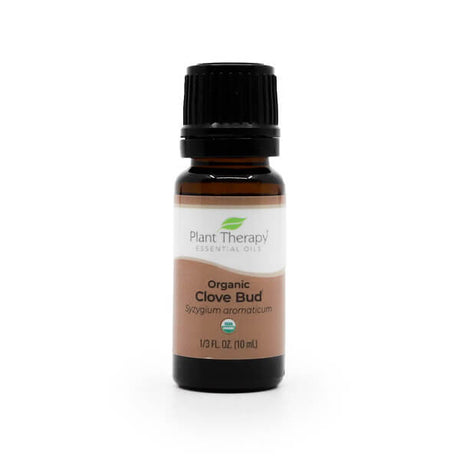
Some oils may be more stimulating, warming, or irritating than others. Clove Bud, Lemongrass, Citronella, and Rosemary are examples where careful dilution and thoughtful use matter. Citrus oils may also call for extra caution in leave-on skin products. If you are not sure where to start, reach out through our contact page and our team can help you sort through the options.
These statements have not been evaluated by the Food and Drug Administration. These products are not intended to diagnose, treat, cure, or prevent any disease.


 Start your journey
 Contact Us