What this category includes
Not every product here works the same way. Most fall into 1 of 2 groups. Some support the body's natural sleep-wake cycle, usually with melatonin. Others are meant for relaxation and getting ready for bed, using nutrients or herbs like magnesium, L-theanine, and traditional botanical blends.
That difference matters when you're comparing options. If your child seems wound up at bedtime, a melatonin-free formula may be the first place to look. If you're trying to support a more consistent bedtime routine, a low-dose melatonin product may be one option to discuss with a pediatric practitioner.
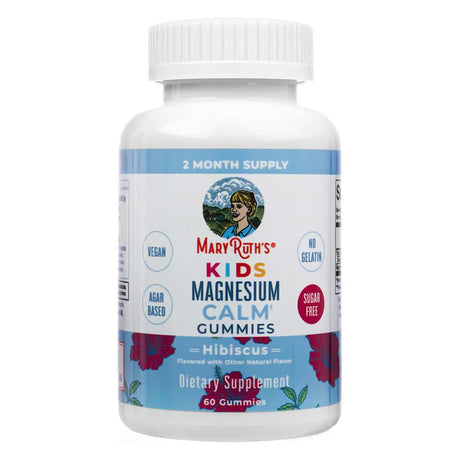
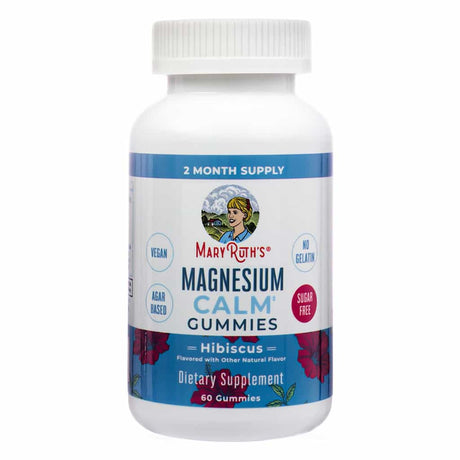
You can see that split in this collection. MaryRuth Kids Sleep Gummies w/ Melatonin - Berries provides 1 mg melatonin per gummy, while MaryRuth Kids Magnesium Calm Gummies 50mg - Hibiscus provides 50 mg magnesium citrate per gummy to support relaxation. Nordic Naturals Kids Calm Gummies combines magnesium with L-theanine, which some parents prefer for bedtime relaxation support instead of melatonin-based options.
How to choose between melatonin, magnesium, herbs, and aromatherapy
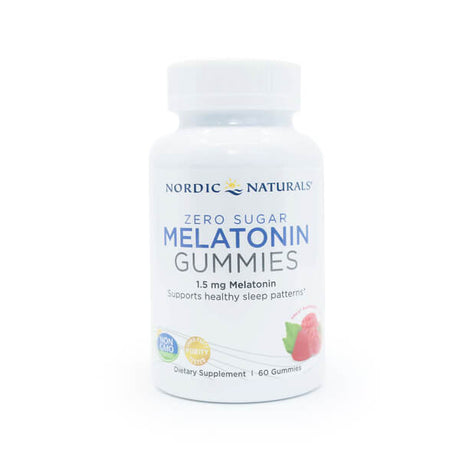
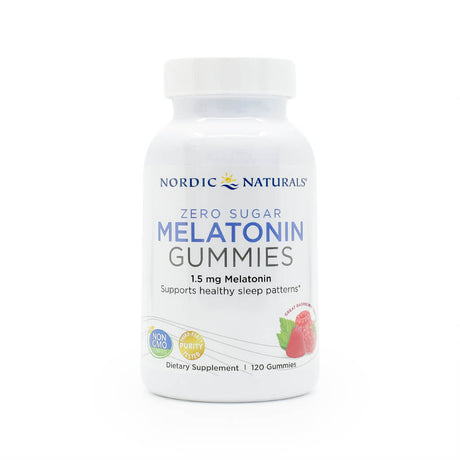
Melatonin is often used for occasional bedtime support. In this collection, the clearest example is MaryRuth's 1 mg gummy. When comparing melatonin products for a child, it helps to start with the lowest practical serving and a format that's easy to use consistently. JoySpring Sleepberry Liquid Melatonin with D3 for Kids may work well for families who want a liquid instead of a gummy. Nordic Naturals Zero Sugar Melatonin Gummies is another option for families trying to avoid added sugar.
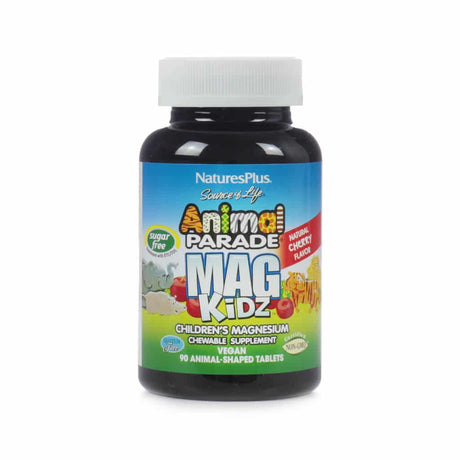
Magnesium products are usually chosen for relaxation support and settling into the evening routine. MaryRuth's magnesium gummy gives you a clearly labeled 50 mg per gummy. Natures Plus Animal Parade MagKidz Children's Chewables is a chewable option, and MaryRuth Liquid Nighttime Multimineral is worth a look if your child does better with liquids than tablets or gummies.
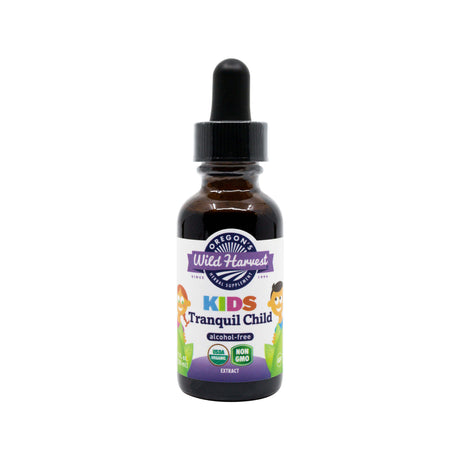
Then there are melatonin-free blends. MaryRuth Kids Sleep Gummies Melatonin-Free - Strawberry is made for families who want a bedtime option without melatonin. Oregon's Wild Harvest Tranquil Child uses traditional herbs in a liquid extract, and Plant Therapy Nighty Night KidSafe Essential Oil gives you a non-ingestible option that may help support a calming bedtime routine for some families.
What to compare before you pick one
First, compare the active ingredients, not just the front label. Two products may both sound like bedtime formulas, but one may use only melatonin while another leans on magnesium, L-theanine, or herbs. That changes how the formula is built and the kind of routine it may fit best.
Next, check the serving size. MaryRuth's melatonin gummy is clearly labeled at 1 mg per gummy, which makes it easier to understand what you're giving. MaryRuth's magnesium gummy is also straightforward at 50 mg magnesium citrate per gummy. Clear labeling matters, especially for kids.
Format matters more than most people think. Gummies are convenient, but some families prefer liquids because they're easier to measure. Chewables can work well for kids who don't like gummies. Essential oils are different from supplements, and they're usually used as part of the bedtime environment rather than swallowed.
It's also smart to check sweeteners, flavors, and extras. Nordic Naturals Zero Sugar Melatonin Gummies stands out if sugar content is a concern. JoySpring adds vitamin D3 to its liquid melatonin formula, which may or may not be something you want depending on what else your child already takes.
Common mistakes parents make
One common mistake is choosing by marketing language instead of the ingredient profile. "Calm," "nighttime," and "bedtime" can mean very different things from one product to another. Always flip to the Supplement Facts panel.
Another is stacking multiple bedtime products without checking overlap. If a child is already using a magnesium chewable, adding a second magnesium-based gummy may not be the simple swap it seems. Same goes for melatonin. More is not always better, and with kids, keeping things simple is usually easier to track.
Parents also sometimes overlook non-supplement options. A kid-safe essential oil blend like Plant Therapy Sweet Slumber KidSafe Essential Oil may be worth considering if you're building a consistent wind-down routine and want something that doesn't add another chewable or gummy.
When to talk with a practitioner first
It's a good idea to check with a qualified pediatric practitioner before using bedtime supplements for a child who takes medications, uses other calming products, has ongoing health concerns, or is very young. The same goes for combining several formulas at once, even if each one looks gentle on its own.
If you want more personalized guidance, you can reach out through our contact page or learn more about our team at Our Experts. These statements have not been evaluated by the Food and Drug Administration. These products are not intended to diagnose, treat, cure, or prevent any disease.


 Start your journey
 Contact Us