What "kids immune support" usually means
Most immune support for kids is not about "boosting" the immune system in some dramatic way. A more accurate way to look at it is daily nutritional support that helps the immune system do its normal job well.* That usually means nutrients kids may not get enough of, along with botanicals parents often use during seasonal changes.
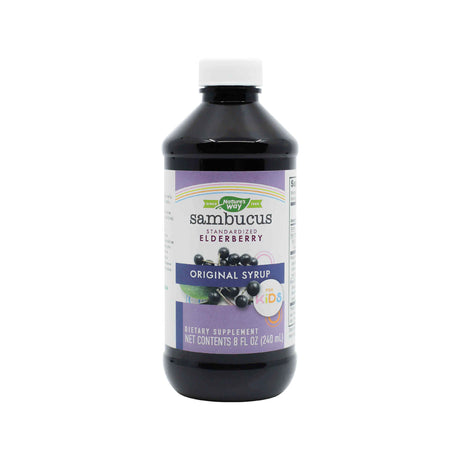
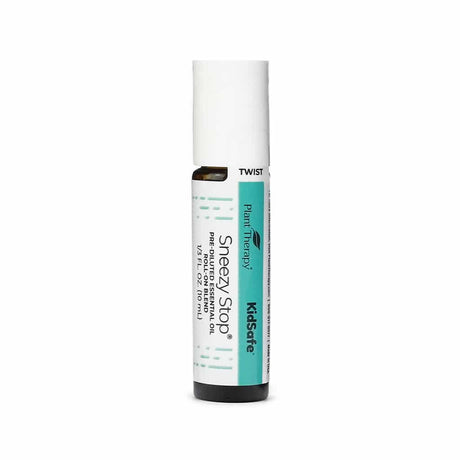
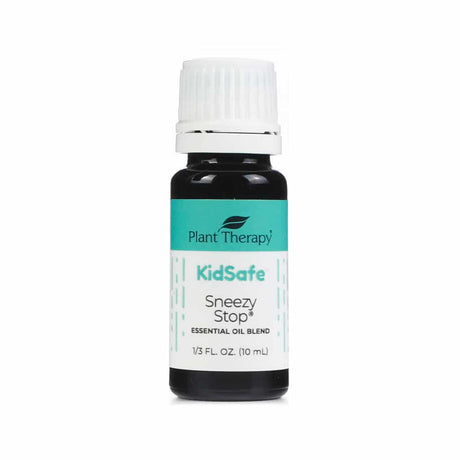
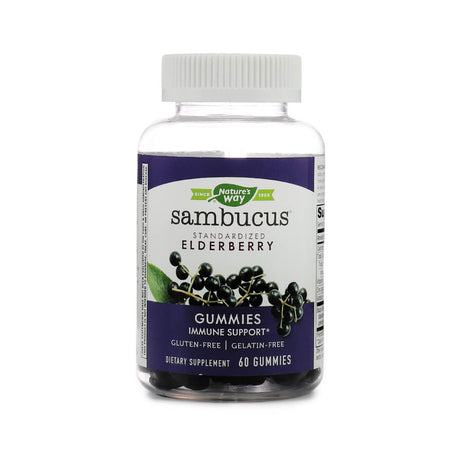
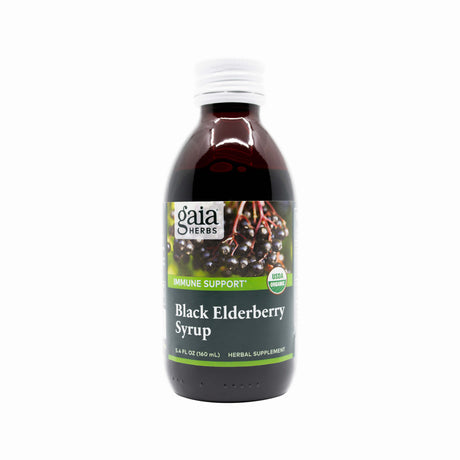
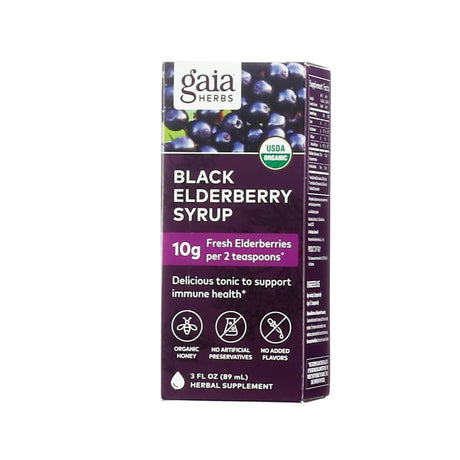
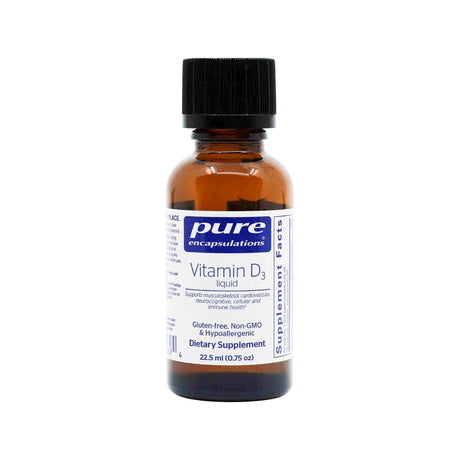
In this collection, you'll mostly see three types of support. Elderberry formulas like Nature's Way Sambucus Kids Syrup, Gaia Herbs Black Elderberry Syrup, and Nature's Way Sambucus Gummies are commonly used for seasonal wellness.* There are also nutrient-based options like Pure Encapsulations Vitamin D3 Liquid, which may be useful if you're specifically looking to support healthy vitamin D status and normal immune function.* You'll also find a few aromatic products, like Plant Therapy's KidSafe blends, that are used around the home or diluted for topical use according to label directions, not as oral supplements.
Who these products may fit best
Parents usually shop this category for one of two reasons. They want something simple for everyday use during the school year, or they want extra seasonal support when routines, weather, and constant kid-to-kid contact seem to catch up with the whole household.
For toddlers, liquids or syrups are often the easiest place to start because they're easier to measure and easier to give. Nature's Way Sambucus Kids Syrup is a common pick because it's made with kids in mind and the format is straightforward. If you're focused more on nutrient support than botanicals, a liquid like Pure Encapsulations Vitamin D3 (Vegan) Liquid can also make sense, especially for families who want flexible dosing.
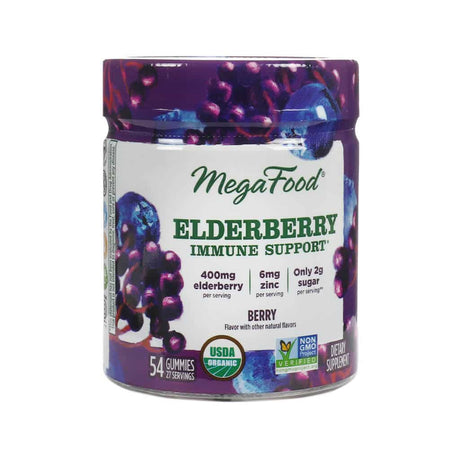
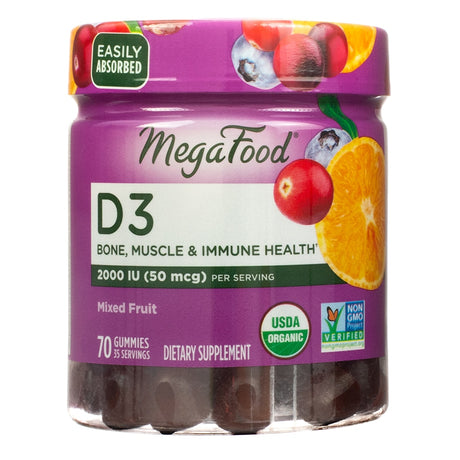
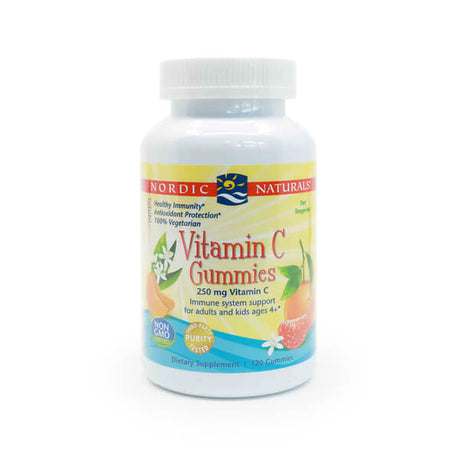
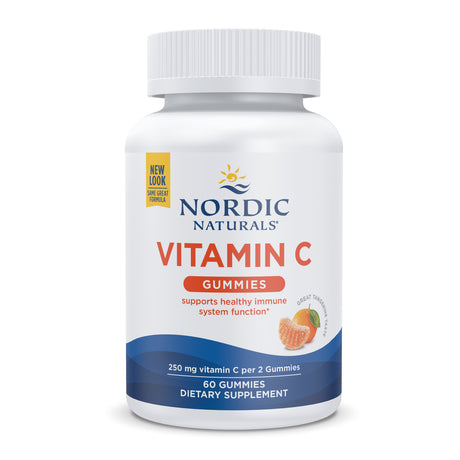
For school-age kids, gummies are often the easiest way to stay consistent. MegaFood Gummy Elderberry Immune Support and Nature's Way Sambucus Gummies combine elderberry with nutrients like zinc or vitamin C, which many parents are already looking for. The tradeoff is that gummies often contain added sugar and sometimes lower amounts of key nutrients than a liquid or capsule. That doesn't make them a bad choice, but it's worth comparing labels.
How to compare labels without overthinking it
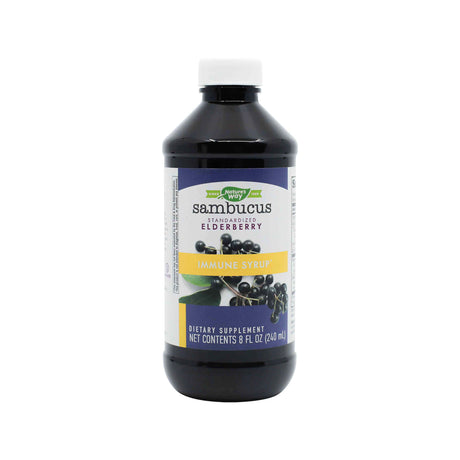
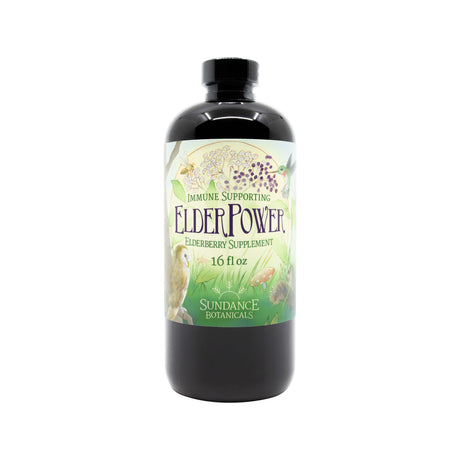
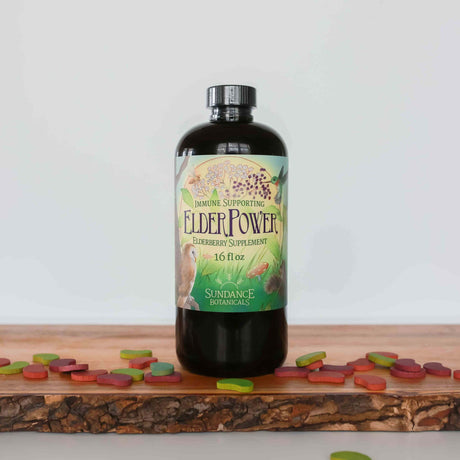
If you're choosing between two elderberry syrups, don't stop at the front of the bottle. Check the Supplement Facts panel and the serving size. One syrup may be intended for younger kids with a smaller serving, while another may be more of a family formula. Nature's Way Sambucus Immune Syrup, Sundance Botanicals ElderPower Elderberry Syrup, and Gaia Herbs Black Elderberry Syrup all fall under the elderberry syrup category, but the supporting ingredients and intended use can differ.
Start with a few practical details. Check the age range on the label. Some products are clearly made for kids, while others are family formulas that may or may not fit younger children. Then look at the format. Syrups are usually easiest for toddlers. Gummies are usually easiest for school-age kids. Liquids with a dropper work well if you want flexible serving sizes. After that, look at the ingredient combination. Elderberry is often paired with vitamin C or zinc. Vitamin D3 products are more targeted and make more sense if that nutrient is your main focus. Then compare the actual amounts. Look at vitamin D in IU and zinc in mg, not just the claims on the front. Also check sweeteners and added sugar, especially if your child takes the product every day.
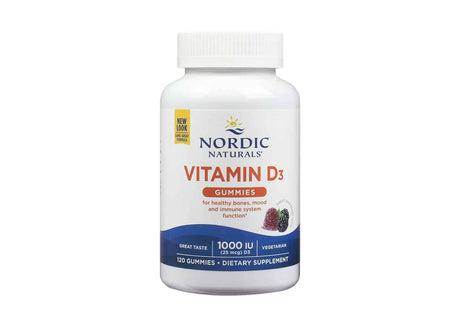
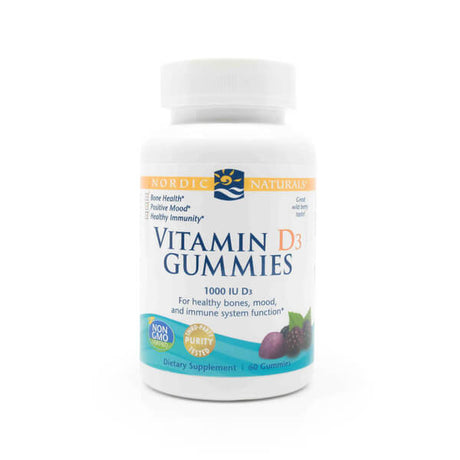
For vitamin D, Pure Encapsulations Vitamin D3 Liquid and Pure Encapsulations Vitamin D3 (Vegan) Liquid are simple liquid options. If you're comparing vitamin D products, look at the IU per drop or serving so you know exactly what you're giving. For zinc, check the mg per serving and make sure it fits your child's age and your pediatrician's guidance.
Common mistakes parents make
One common mistake is choosing by flavor alone. If your child won't take it, none of the other details matter. But once you've narrowed it down to a format your child will actually use, compare the label. A gummy may taste great but provide less of the nutrient you're shopping for than you expected.
Another common mistake is stacking too many overlapping products. If you're using an elderberry gummy with zinc and vitamin C, plus another immune formula, plus a multivitamin, those nutrients can add up quickly. The same goes for vitamin D. More is not always better.
And one more practical point: oregano oil capsules like North American Herb and Spice OregaBiotic Capsules are not usually the first place to start for little kids. That's a more specialized product and not the usual first pick for a typical toddler immune support routine.
A quick note on essential oils in this collection
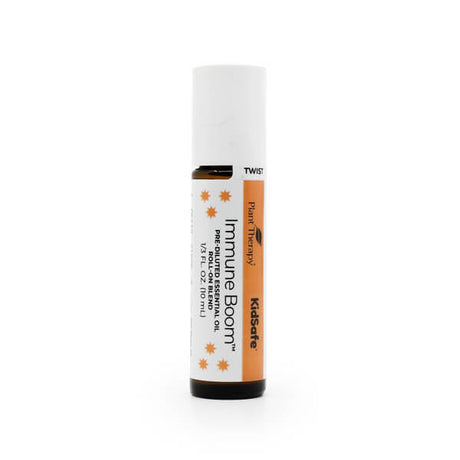
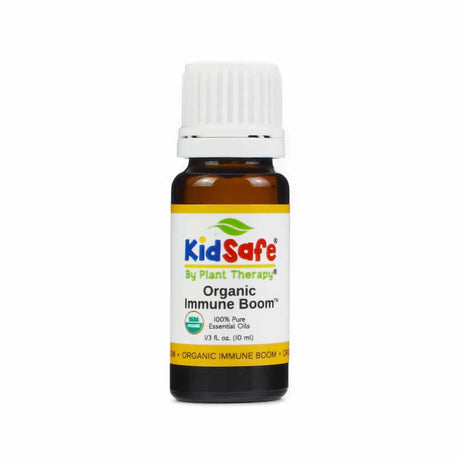
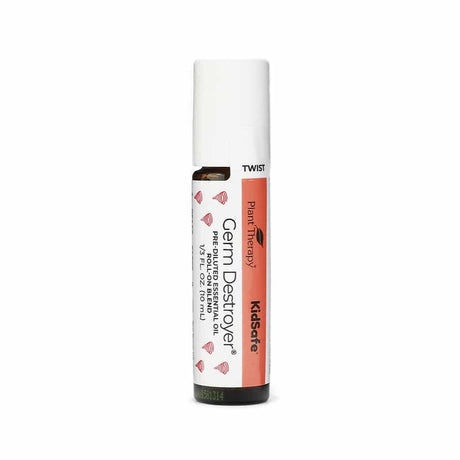
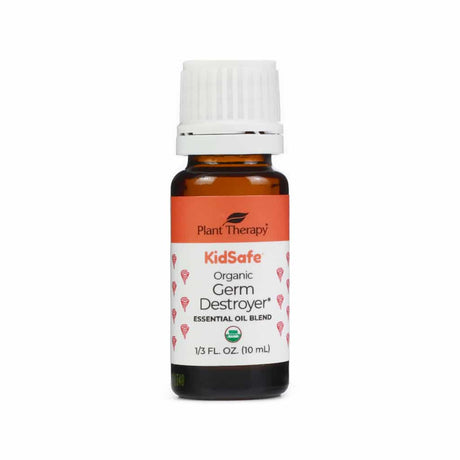
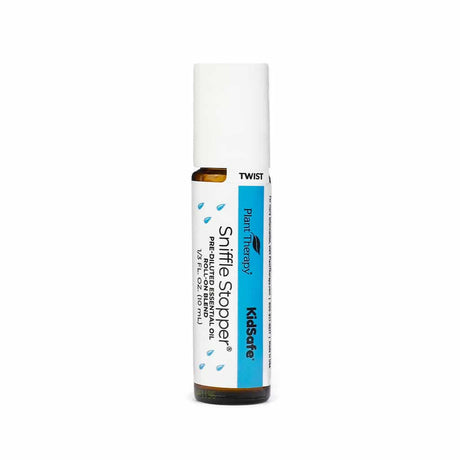
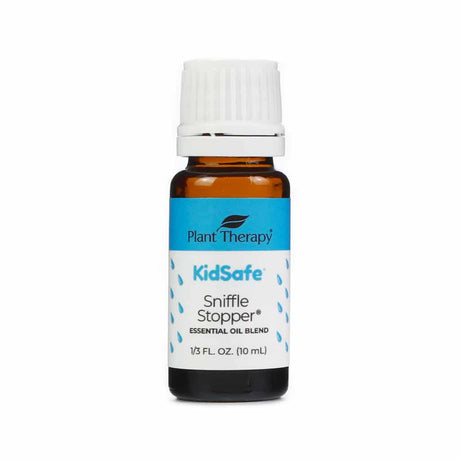
Products like Plant Therapy Immune Boom KidSafe Essential Oil, Plant Therapy Germ Destroyer KidSafe Essential Oil, and Plant Therapy Sniffle Stopper KidSafe Essential Oil are different from syrups and gummies. These are generally used aromatically or topically when properly diluted, based on the product label. They are not interchangeable with oral immune supplements.
If you use essential oils around children, follow label directions closely, pay attention to age guidance, and ask your pediatric practitioner before using them on very young children. For families with asthma, very sensitive skin, or fragrance sensitivity, extra caution makes sense.
Who should talk with a practitioner first
Check with your child's pediatrician or qualified practitioner before starting a new supplement if your child is under age 2, takes medication, has food allergies, uses multiple supplements already, or has a complex medical history. This is especially important with zinc, vitamin D, and concentrated botanical blends.
If you want more personalized help sorting through options, you can reach out to our team or learn more about our practitioners at Our Experts. These statements have not been evaluated by the Food and Drug Administration. These products are not intended to diagnose, treat, cure, or prevent any disease.




 Start your journey
 Contact Us