What probiotics and digestive supplements for kids actually do
Kids' digestion support covers a few different types of products, and they are not all doing the same thing. Probiotics add beneficial bacteria to help maintain a healthy balance in the gut and support digestive comfort and immune health.* Digestive enzymes are different. They help break down food, which may be useful for kids who seem uncomfortable after meals or who need extra help with nutrient breakdown.*
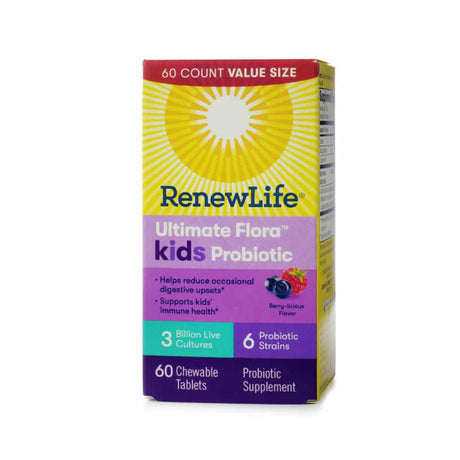
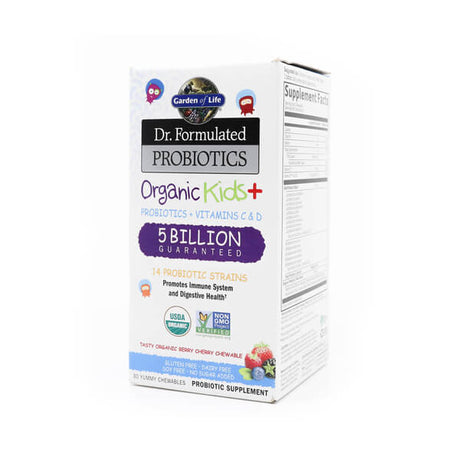
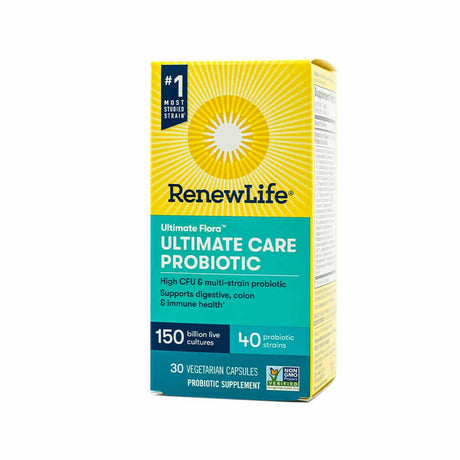
For example, Renew Life Ultimate Flora Kids Probiotic 3 Billion Berry-Licious Chewable Tablets provides 3 billion live cultures from six probiotic strains in a chewable format. Garden of Life Dr. Formulated Probiotics Organic Kids + 5 Billion CFU Tablets provides 5 billion CFU for kids ages 4 and up. If you're shopping for a baby, Jarrow Formulas Jarro-Dophilus Infant Drops is a liquid option made for infants, which is very different from a chewable or gummy for older kids.
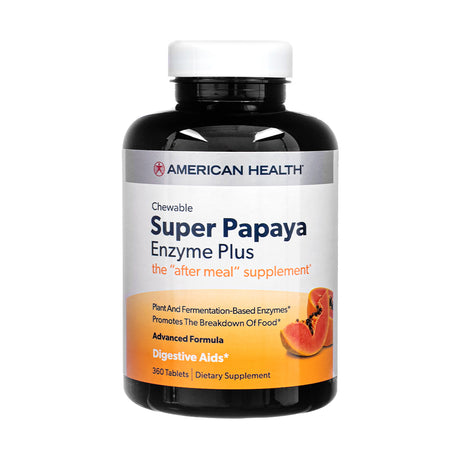
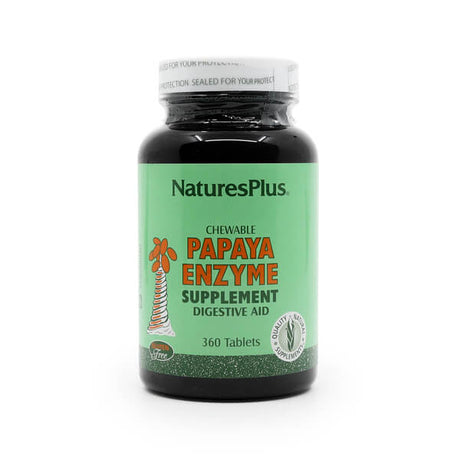
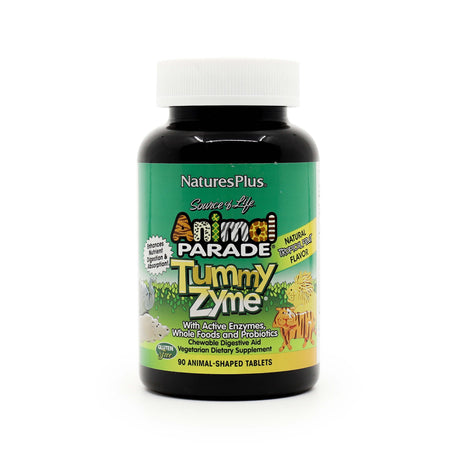
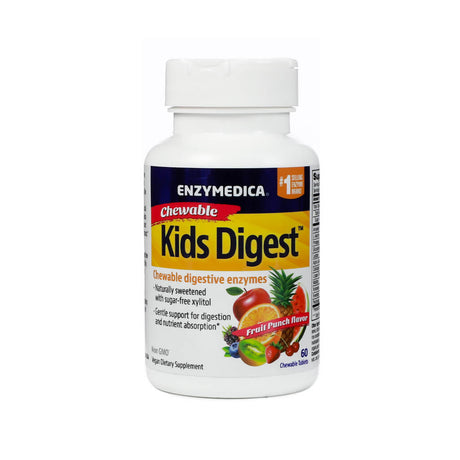
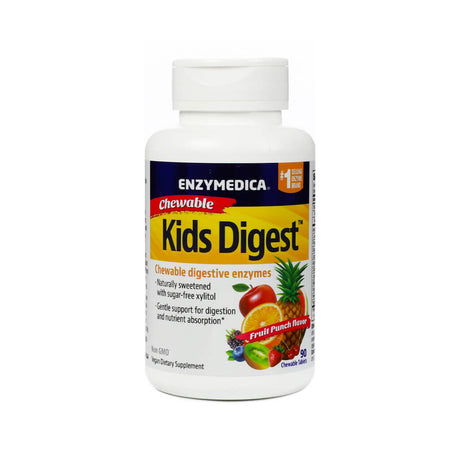
There are also enzyme-focused products like American Health Super Papaya Enzyme Plus Tablets and Nature's Plus Animal Parade Tummy Zyme Children's Chewable Digestive Aid. These are aimed more at breaking down foods and supporting comfortable digestion after eating.*
Which kids may benefit most
Parents usually land on this page for a few common reasons. Some want a daily probiotic for general gut and immune support.* Others are looking for something gentle for occasional digestive upset, changes in routine, travel, school lunch stress, or picky eating. Some just need a format their child will actually take.
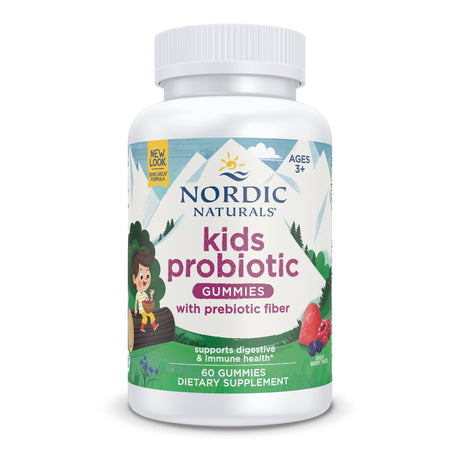
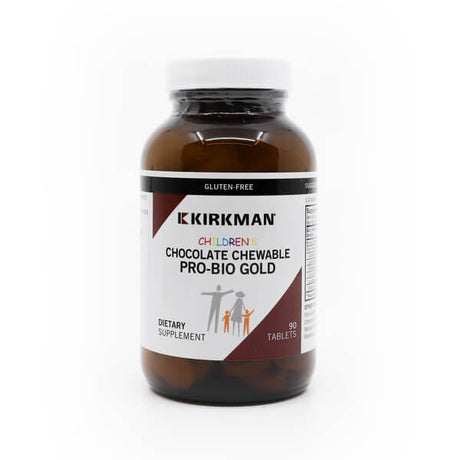
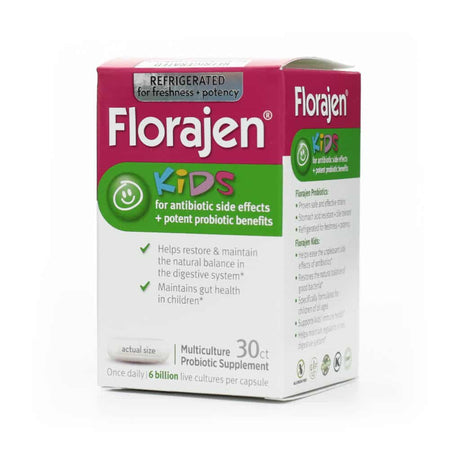
If your child does better with a treat-like option, Nordic Naturals Kids Nordic Flora Probiotic Gummies and Kirkman's chocolate wafers may be easier than capsules. If you want a swallowable daily probiotic, Florajen Kids Capsules is a capsule option for kids who are ready for that format. If mealtime seems to be the issue, an enzyme product may make more sense than a probiotic alone.
Age matters too. A toddler, a grade-schooler, and an infant may need very different delivery forms and serving sizes. The "best probiotic for kids" depends on the child's age, tolerance, and whether you're looking for everyday microbiome support or more meal-focused digestive support.*
How to choose the right probiotic for kids
Start with form. It matters more than many people expect. A strong formula does not help much if your child refuses it. Gummies and chewables are often the easiest place to start. Capsules can work well for older kids. Drops are usually the simplest option for infants.
Next, look at the strain count and CFU amount. More is not always better, but it is still worth comparing. Renew Life gives you 3 billion CFU from six strains. Garden of Life offers 5 billion CFU. Kirkman Children's Chewable Pro-Bio Gold Chocolate Wafers also has six probiotic strains and is designed for strong tolerance through stomach acid and bile salts, which some parents specifically look for in a probiotic.
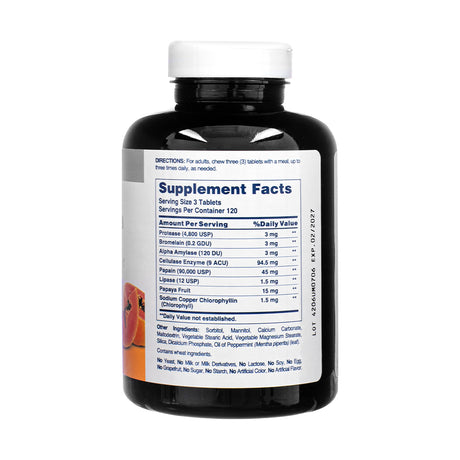
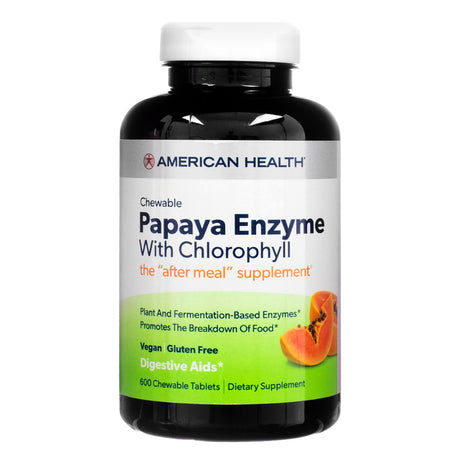
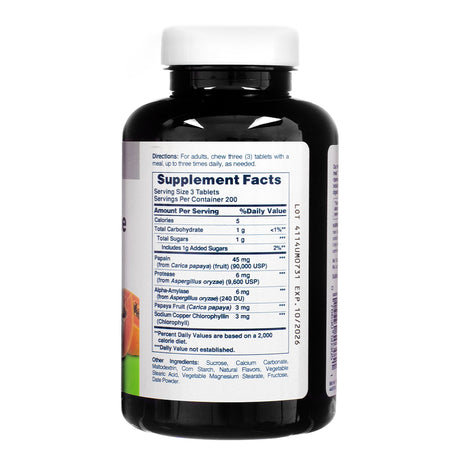
Then think about whether your child may need probiotics, enzymes, or both. Animal Parade Tummy Zyme combines probiotics with active enzymes, which can be a practical middle ground for kids who need broader digestive support.* Papaya-based enzymes like American Health Papaya Enzyme with Chlorophyll Tablets are often chosen for support after meals and occasional digestive discomfort.*
Finally, check the label for age guidance, flavor, and serving size. A once-daily chewable is very different from a powder, dropper, or multiple-tablet serving. For some families, convenience is the deciding factor.
Common buying mistakes we see
One common mistake is choosing by flavor alone. Taste matters, especially with kids, but it is still worth checking whether the product is a probiotic, an enzyme, or a blend. Another is picking an adult formula and guessing on the dose. Kids' products are usually designed around age-appropriate serving sizes and delivery forms, which makes things easier and safer.
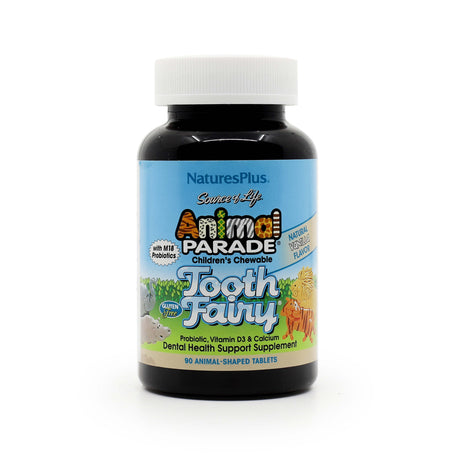
We also see parents assume every tummy complaint needs a probiotic. Sometimes a mealtime enzyme makes more sense. Sometimes the issue is hydration, fiber, or routine, not a supplement at all. And if you're shopping for oral support rather than digestive support, a product like Nature's Plus Animal Parade Tooth Fairy is a dental probiotic, not a general gut probiotic.
If you're comparing options beyond this page, you can also browse our broader probiotics collection or reach out through our contact page for help sorting through age ranges and formats.
Who should talk to a practitioner first
If your child is an infant, was born prematurely, has a complex medical history, has immune concerns, or takes prescription medications, it's a good idea to check with a pediatrician or qualified practitioner before starting a probiotic or enzyme supplement. The same goes for kids with ongoing digestive symptoms, poor growth, feeding challenges, or symptoms that keep coming back. Supplements can support healthy digestion, but they should not be used to guess through persistent symptoms.
If you'd like more personalized guidance, you can also learn about our practitioners at Our Experts.
These statements have not been evaluated by the Food and Drug Administration. These products are not intended to diagnose, treat, cure, or prevent any disease.






 Start your journey

 Contact Us