What "kids' digestive support" actually includes
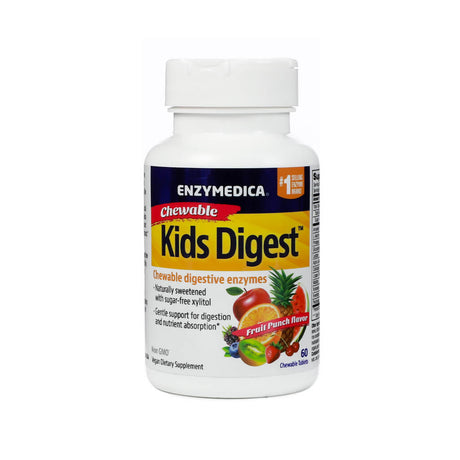
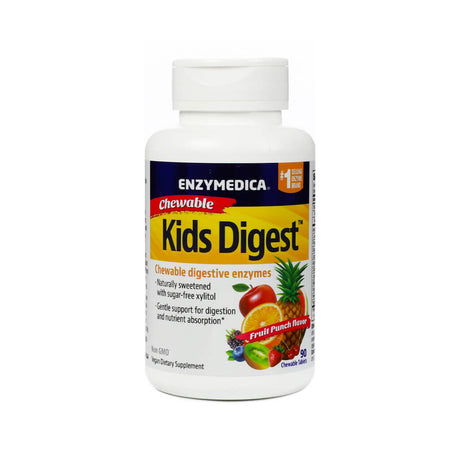
This category covers a few different types of products, and they do different things. Digestive enzymes for kids help break food into smaller pieces. That may support comfort after meals and help the body make use of nutrients.* Enzymedica Kids Digest is one example. It includes enzymes like amylase, lipase, cellulase, and protease, which help break down carbohydrates, fats, fiber, and protein.*
Probiotics work differently. They help support a healthy balance of beneficial bacteria in the gut, which can matter for stool regularity, digestive comfort, and immune function.* For younger kids, MaryRuth Organic Kids Precision Probiotic Digestive Drops comes in a liquid format. For infants, MaryRuth Organic Infant Liquid Probiotic is designed for early digestive support.*
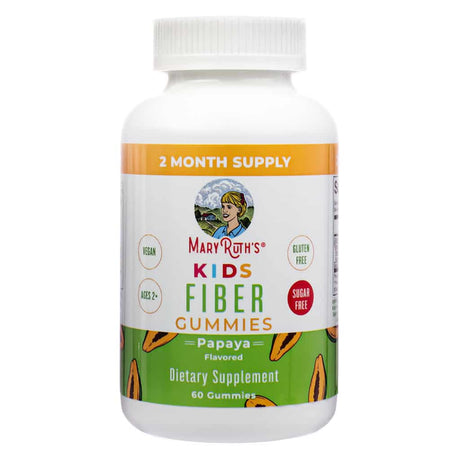
Then there is fiber. Fiber does not act like an enzyme or probiotic, but it can help support regular bowel movements and healthy gut function when a child's diet is low in fruits, vegetables, legumes, or whole grains.* MaryRuth Kids Fiber Gummies provides 3 grams of fiber per serving, which can be a practical option for picky eaters.
Which kids may benefit from digestive support
Parents usually browse this collection when their child has occasional bloating, gas, irregular bathroom habits, or seems uncomfortable after certain meals. Some families are specifically looking for the best digestive enzymes for kids because meals with dairy, beans, vegetables, or heavier foods do not always sit well. In those cases, an enzyme product may make more sense than a probiotic.
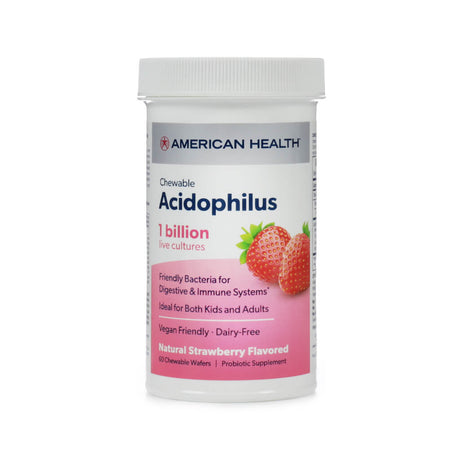
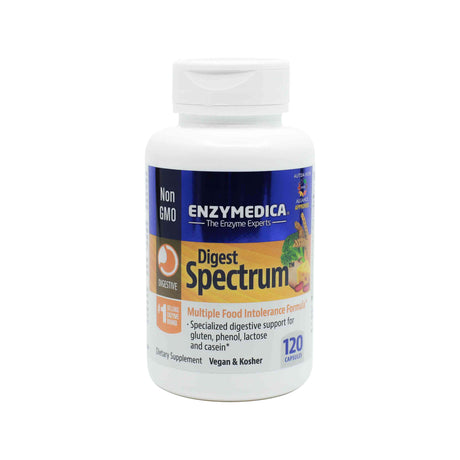
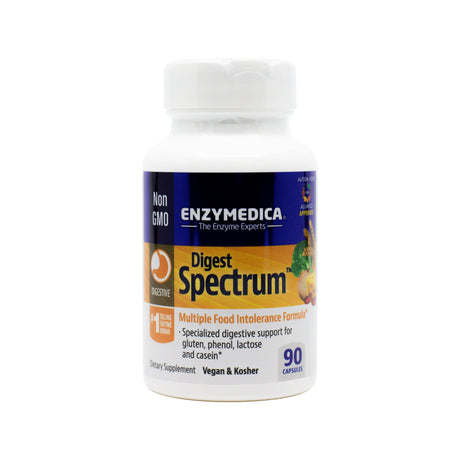
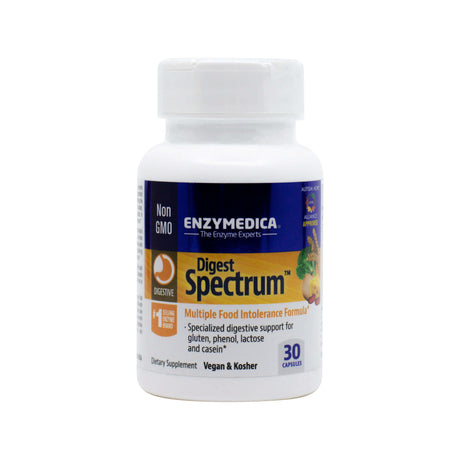
For example, Enzymedica Digest Spectrum is a more specialized enzyme formula for children or adults who are sensitive to multiple food components, including dairy- and gluten-containing foods.* That is a different use case than American Health Chewable Acidophilus 1 Billion, which is more about supporting healthy gut flora in an easy chewable format.*
Age matters too. Infants need a different approach than school-age kids. A liquid probiotic drop may be easier for babies, while older kids often do best with chewables or gummies they will actually take consistently. Teens can sometimes use products that overlap with adult digestive support, but it is still smart to check the label carefully for age guidance and serving size.
How to choose the right product
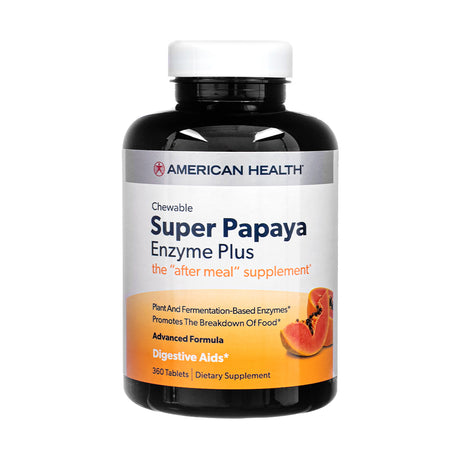
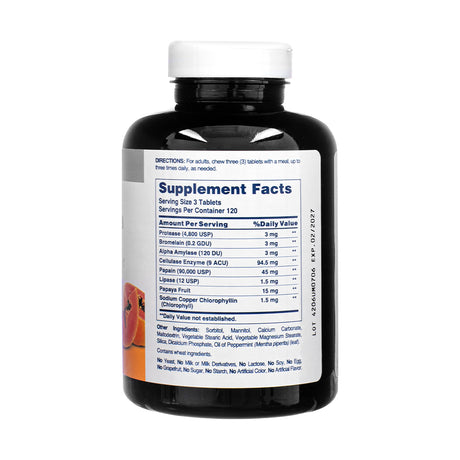
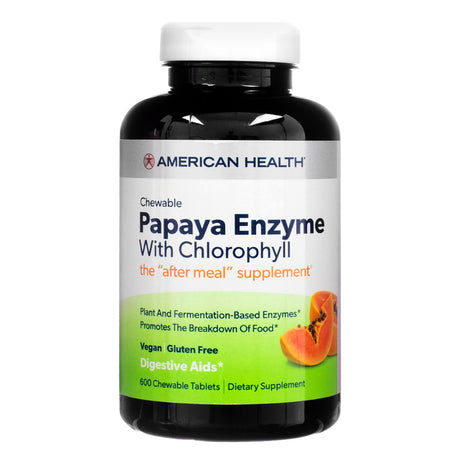
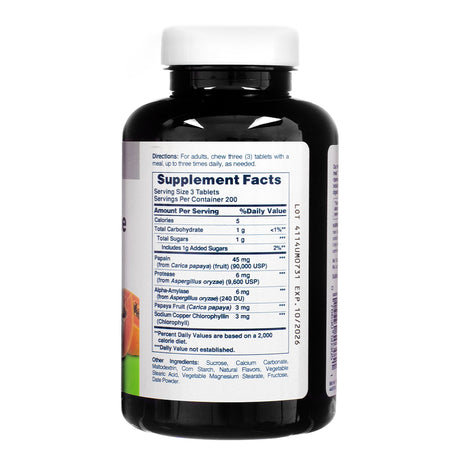
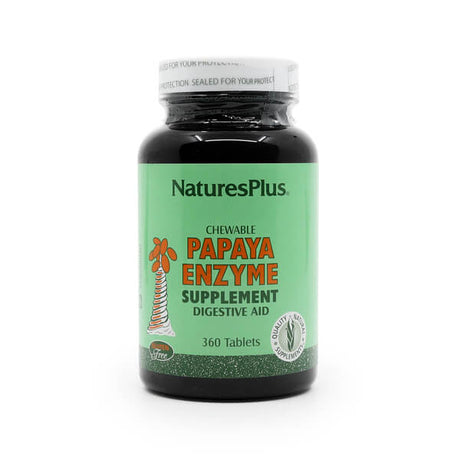
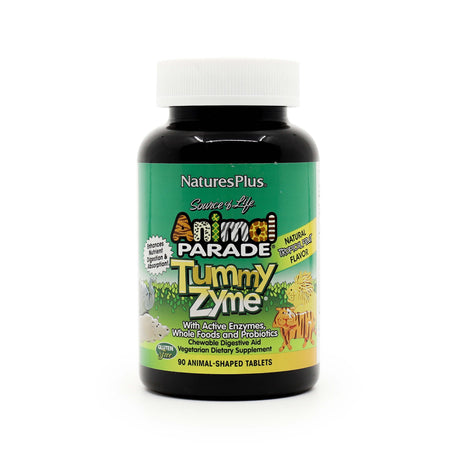
Start with the main goal. If the issue shows up mostly after meals, enzymes are often the first place to look. Nature's Plus Animal Parade Tummy Zyme combines digestive enzymes with probiotics, which can be helpful if you want both food breakdown support and microbiome support in one chewable.* If you want a simpler enzyme option, the papaya-based chewables in this collection are worth a look, including American Health Super Papaya Enzyme Plus and American Health Papaya Enzyme with Chlorophyll.
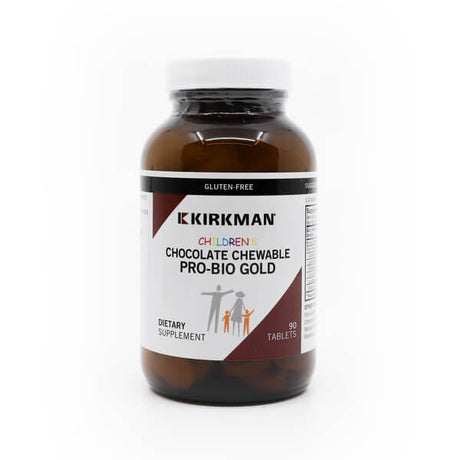
If the bigger concern is regularity or gut balance over time, a probiotic or fiber product may fit better. Kirkman Children's Chewable Pro-Bio Gold Chocolate Wafers uses six probiotic strains in a kid-friendly wafer. For families who prefer drops over chewables, MaryRuth's probiotic options are easy to work into a routine.
Delivery format matters too. Chewables can be easiest for school-age kids who do not like swallowing capsules. Liquids and drops work well for infants, toddlers, or kids with sensory preferences. Gummies can help with consistency, especially for fiber support. Specialized formulas may be useful if your child reacts to certain foods more than others.
One practical tip: read labels for serving size and age range. "Children's" products are not all aimed at the same stage.
Common mistakes parents make
One common mistake is choosing a product by format alone. A gummy or chewable is useful only if the ingredients match the need. A child with occasional post-meal discomfort may do better with enzymes than with a general probiotic. On the other hand, if the goal is everyday intestinal support for kids, a probiotic or fiber product may be the better fit.
Another issue is expecting instant results from everything. Enzymes often work more quickly because they are taken with meals. Probiotics and fiber usually need more consistent use before you can tell whether they are helping support regularity and digestive balance.*
It is also easy to overlook the rest of the routine. Hydration, meal pace, and food variety still matter. Supplements can support digestive function, but they work best alongside the basics.
Who should talk to a practitioner first
If your child is very young, takes medication, has food sensitivities that significantly limit their diet, or has ongoing digestive complaints that keep coming back, it is smart to check in with a qualified practitioner before starting something new. The same goes for infants, especially if you are deciding between probiotic drops, gripe-style products, or other digestive aids.
If you'd like more personalized guidance, you can reach out through our contact page or learn more about our practitioners at Our Experts. These statements have not been evaluated by the Food and Drug Administration. These products are not intended to diagnose, treat, cure, or prevent any disease.
Quick questions we hear a lot
Are digestive enzymes and probiotics the same thing?
No. Enzymes help break down food. Probiotics help support healthy gut flora. Some products, like Animal Parade Tummy Zyme, include both.*
What is the best digestive enzyme for kids?
That depends on the goal. For broad meal support, Enzymedica Kids Digest is a strong place to start. For more specialized food sensitivities, Enzymedica Digest Spectrum may be worth comparing. Usually, the best choice is the one that matches the foods your child struggles with and the format they will actually take.
Can infants use digestive support supplements?
Some can, but infant products should be chosen very carefully. In this collection, the MaryRuth infant probiotic drops are age-specific options. For babies, always double-check age guidance and talk with your pediatric practitioner first.


 Start your journey