What respiratory wellness supplements are intended to support
This collection focuses on everyday respiratory wellness support, not emergency care. People usually shop this category for products that may help support comfortable breathing, normal bronchial function, throat comfort, or seasonal respiratory wellness. Some formulas use one botanical, while others combine herbs, enzymes, or nutrients for broader support.
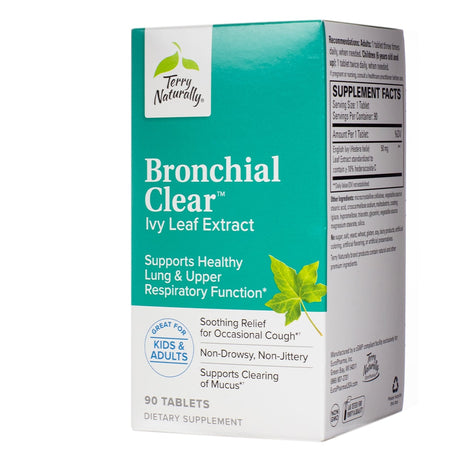
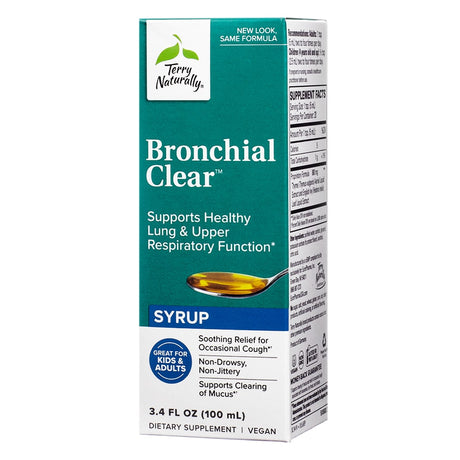
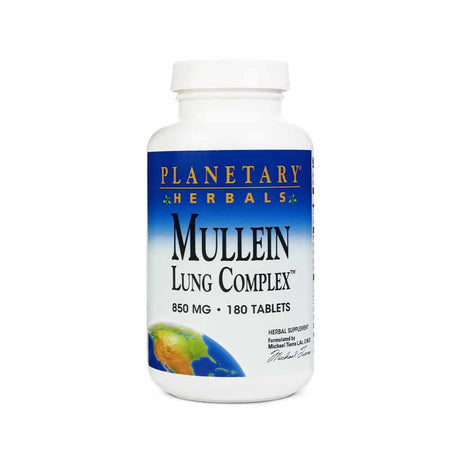
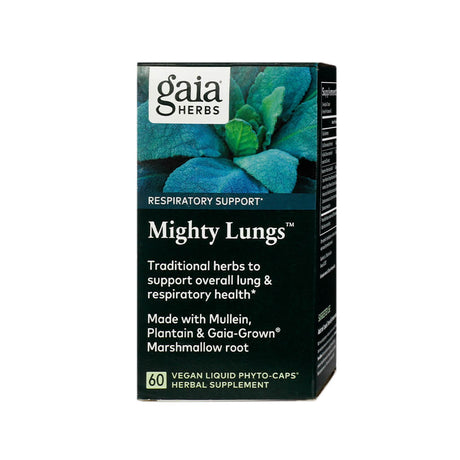
One example is Terry Naturally Bronchial Clear Ivy Leaf Extract Tablets, which centers on English ivy leaf extract. If you prefer a liquid or want something more family friendly, Terry Naturally Bronchial Clear Liquid uses a similar ingredient focus in a different format. For broader blends, Planetary Herbals Mullein Lung Complex Tablets and Gaia Herbs Mighty Lungs Capsules combine multiple botanicals commonly used in respiratory wellness formulas.
How the products in this collection differ
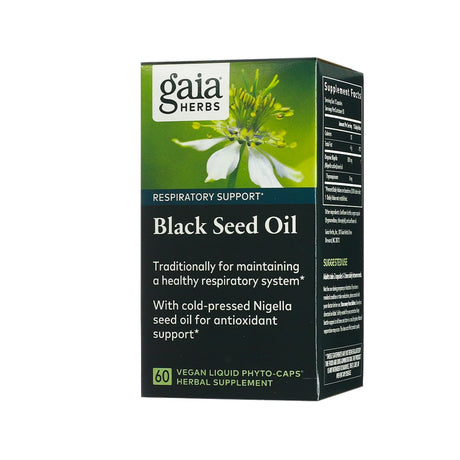
The main difference is whether you want a single-ingredient formula or a blend. Single-ingredient options are often easier to evaluate because you know exactly what you're trying. Ivy leaf products like Terry Naturally's tablets, liquid, and chewables are straightforward if you want a focused respiratory wellness formula. Gaia Herbs Black Seed Oil Capsules is another simple option for people who prefer one primary botanical.
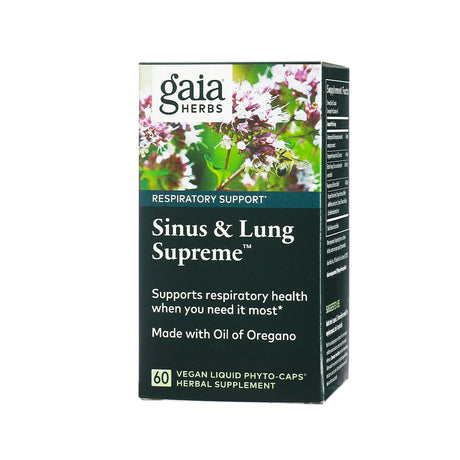
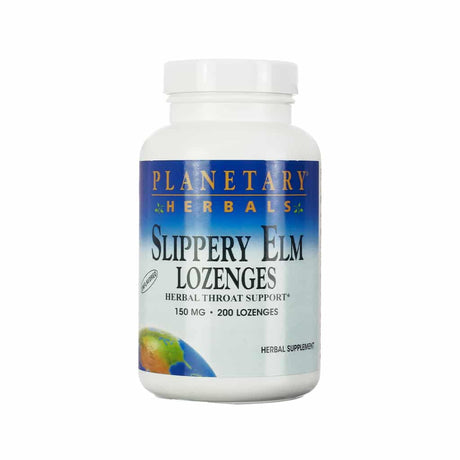
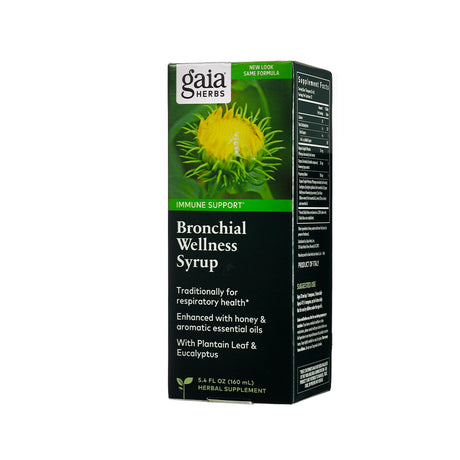
Blends can make more sense if you want broader support. Mullein-based formulas are common in this category, and Planetary Herbals Mullein Lung Complex uses several herbs instead of relying on one. Gaia Herbs Sinus & Lung Supreme Capsules also takes a broader approach for respiratory and sinus wellness support. If throat comfort is your main concern, a lozenge or syrup may be a better fit than capsules. Planetary Herbals Slippery Elm Lozenges and Gaia Herbs Bronchial Wellness Herbal Syrup are the kinds of products people often keep on hand for that purpose.
What to compare before you choose
Start with format. Capsules are convenient if you already take supplements daily. Liquids and syrups can be easier for kids or for anyone who doesn't like swallowing pills. Chewables fall somewhere in the middle. Lozenges are the most targeted option if your focus is mouth and throat comfort rather than a general formula.
Next, check whether the label uses a standardized extract or a whole-herb blend. Standardized extracts are often chosen for consistency in respiratory wellness formulas. That's one reason ivy leaf products stand out in this collection. A product built around a defined extract can be easier to compare from one bottle to the next than a proprietary blend with many herbs.
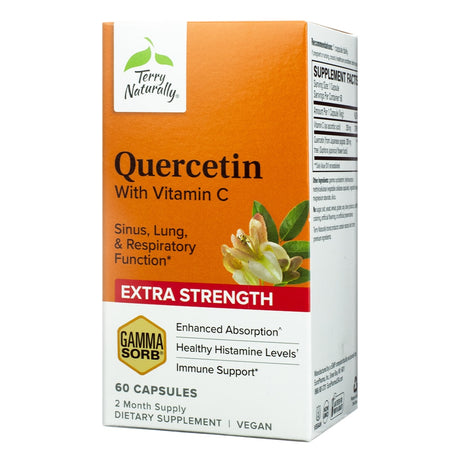
Also look at whether the formula includes added immune or seasonal wellness ingredients. Terry Naturally Quercetin with Vitamin C Extra Strength pairs quercetin with vitamin C, which may appeal to shoppers looking for everyday immune and respiratory wellness support during seasonal changes. North American Herb and Spice OregaRESP Capsules uses oregano oil with other spices, so it feels very different from an ivy leaf tablet or a soothing syrup.
Common buying mistakes
One common mistake is choosing by category name alone. "Respiratory wellness" can mean different things on a supplement shelf. One product may be aimed at throat comfort, another at seasonal respiratory wellness, and another at mucus balance or sinus support. Reading the ingredient panel and suggested use usually tells you more than the front label.
Another mistake is ignoring format. If you know you won't take capsules consistently, don't force it. A syrup, chewable, or lozenge you actually use is usually the better pick. The same goes for household needs. If more than one person may use the product, Terry Naturally Bronchial Clear Liquid or Gaia Herbs Bronchial Wellness Herbal Syrup may be more practical than a capsule-only option.
It's also worth avoiding the assumption that more ingredients automatically make a better formula. Sometimes a focused product is easier to try first. If you want to compare other wellness categories that pair well with this one, you can browse our immune support collection or reach out through our contact page for help narrowing it down.
Who should check with a practitioner first
If you are pregnant, nursing, shopping for a young child, taking prescription medications, or managing an ongoing medical condition, it's smart to check with a qualified practitioner before adding a new supplement. The same goes for anyone with known sensitivities to herbs, essential oils, or concentrated botanical extracts. If you want more personalized guidance, our team can also point you toward additional education and practitioner support at our experts.
Sudden breathing changes, severe shortness of breath, chest pain, or other urgent symptoms are not situations for self-selection from a supplement collection. Those call for immediate medical attention.
A quick note on labels and expectations
Supplements work best as part of a bigger routine that may include hydration, indoor air quality, movement, and avoiding obvious irritants. Some people keep a syrup or lozenge around for occasional use, while others choose a capsule as part of a daily seasonal routine. There isn't one best product here, only the one that matches your preferences, ingredient comfort level, and format needs.
These statements have not been evaluated by the Food and Drug Administration. These products are not intended to diagnose, treat, cure, or prevent any disease.


 Start your journey
 Contact Us