What a multivitamin actually does
A multivitamin is meant to cover your bases, not replace a solid diet. Think of it as backup. It can help cover nutrients people commonly miss, like vitamin D, folate, iodine, magnesium, zinc, selenium, or iron, depending on the formula. That matters if your eating pattern is limited, your appetite is inconsistent, or you are in a life stage with higher nutrient needs.
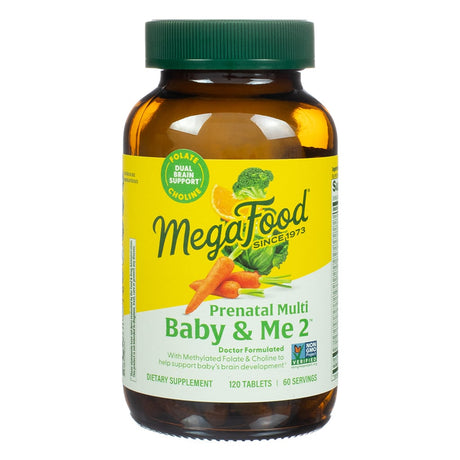
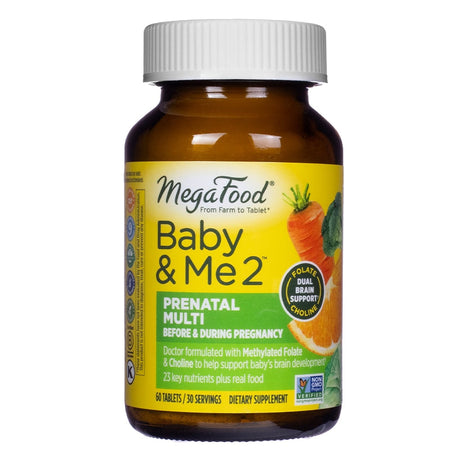
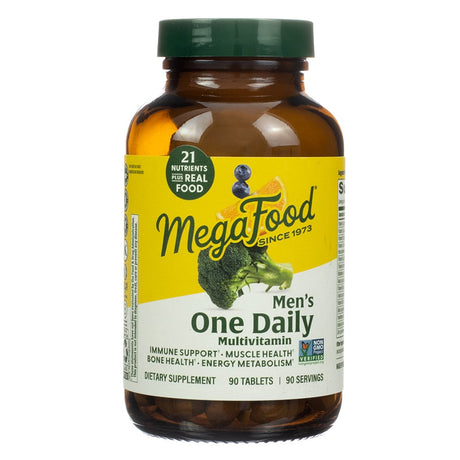
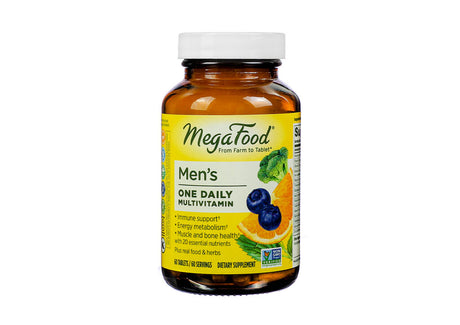
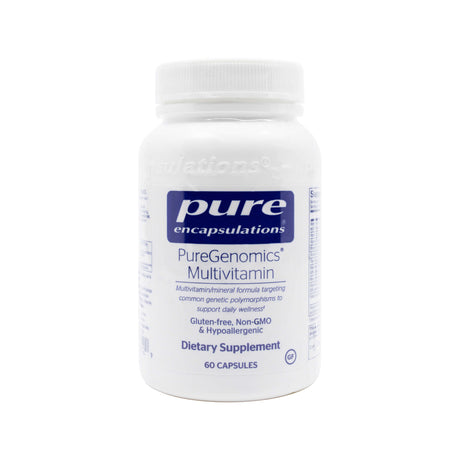
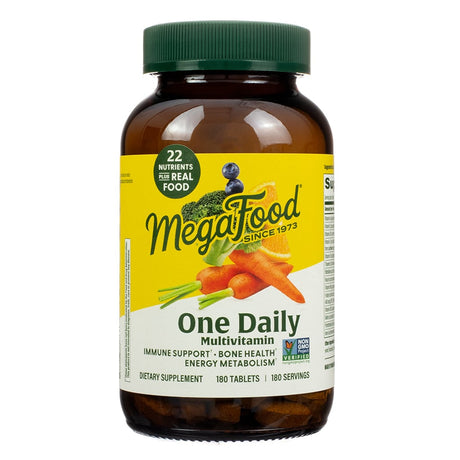
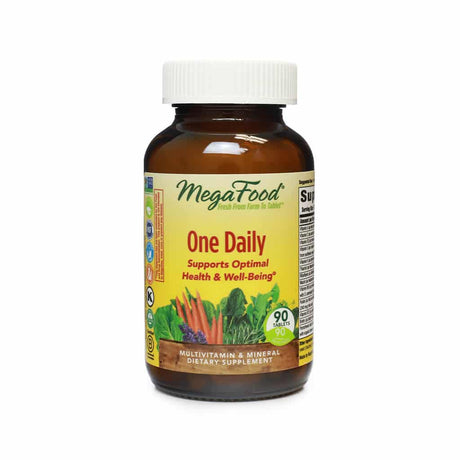
Different multis are made for different needs. MegaFood Women's One Daily Multivitamin and MegaFood Men's One Daily Multivitamin are straightforward daily formulas for general support. MegaFood Baby & Me 2 Prenatal Multi is designed for pregnancy-related nutrient needs, including folate and iron. If you want something gentler and more form-focused, Pure Encapsulations PureGenomics Multivitamin Capsules is built around absorbable forms and methylation support.
No multivitamin makes up for chronically low food intake, but a well-chosen one may help support energy metabolism, immune function, bone health, and overall nutrient status.*
How to read the label like a pro
This is where people usually get stuck. Two bottles can both say "multivitamin" and be very different inside.
First, check the form of folate. If you see methylfolate or 5-MTHF, that is the active form many people prefer over folic acid. Our team often points customers toward PureGenomics Multivitamin when they specifically want methylated nutrients.
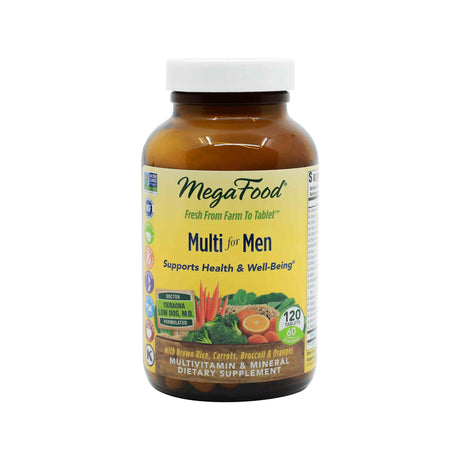
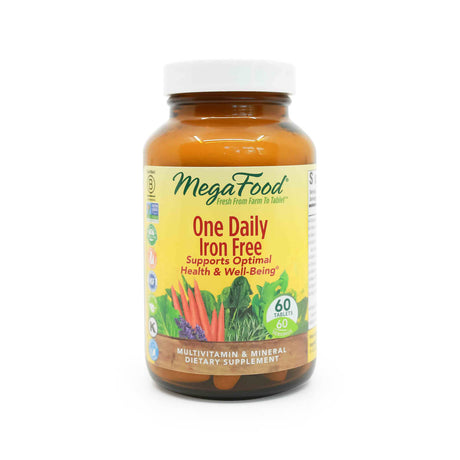
Next, look at iron. Some people need it, some really do not. Premenopausal women and prenatal customers often choose formulas with iron, like MegaFood Women's Advanced Multivitamin or Baby & Me 2 Prenatal Multi. Many men's formulas leave iron out, which is usually intentional. If you have ever had stomach upset from iron, this is one of the first things I would compare.
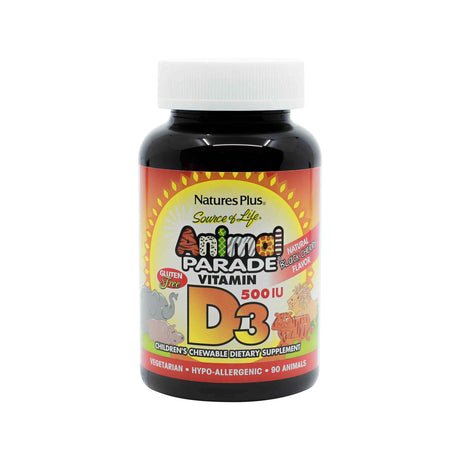
Vitamin D is another big one. Some multis include a meaningful amount, while others only provide a modest baseline. If your multivitamin does not give much vitamin D, you may still need a separate D product depending on your labs, sun exposure, and practitioner guidance. For kids, Nature's Plus Animal Parade Vitamin D3 500 IU Children's Chewable is not a full multivitamin, but it is a good example of how families sometimes pair a basic kids formula with extra vitamin D.
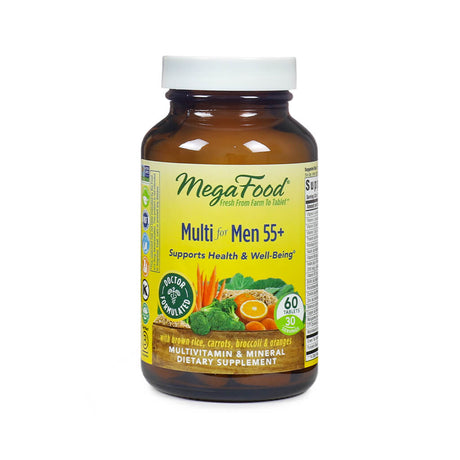
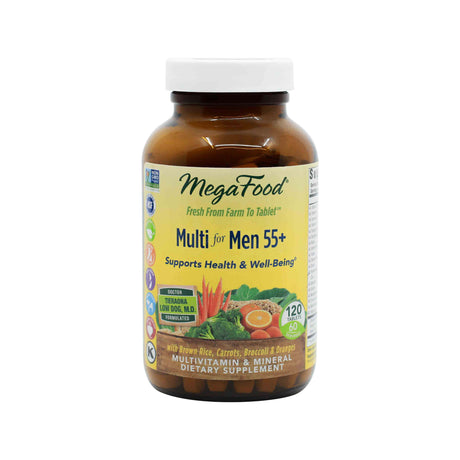
Also compare iodine and vitamin K. Iodine can matter for thyroid hormone production, but not everyone should supplement it casually. Vitamin K is often included for bone support, but it needs extra caution if you use warfarin. If you are trying to keep your routine simple, a once-daily option like MegaFood Women's 40+ One Daily Multivitamin or MegaFood Multi for Men 55+ can be easier to stick with than a multi-dose formula.
Who tends to benefit most from a multivitamin
Multivitamins make the most sense when nutrient gaps are pretty likely. We see that a lot with busy adults who skip meals, picky eaters, older adults with lower appetite, people avoiding major food groups, and anyone who wants a simple nutritional baseline.
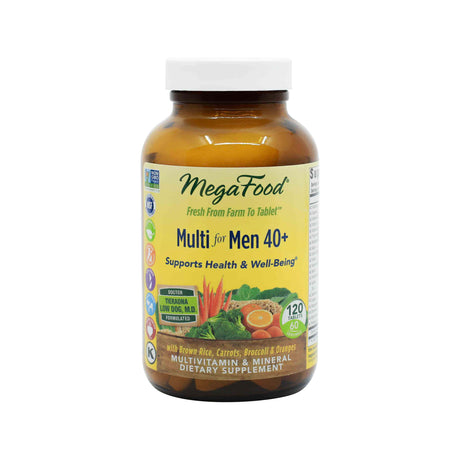
Age and life stage matter. Men over 40 or 55 often want targeted support rather than a generic formula, which is why products like MegaFood Multi for Men 40+ and MegaFood Multi for Men 55+ exist. Same idea for women. MegaFood Women's 55+ Advanced Multivitamin is built differently from MegaFood Women's One Daily, because nutrient priorities shift over time.
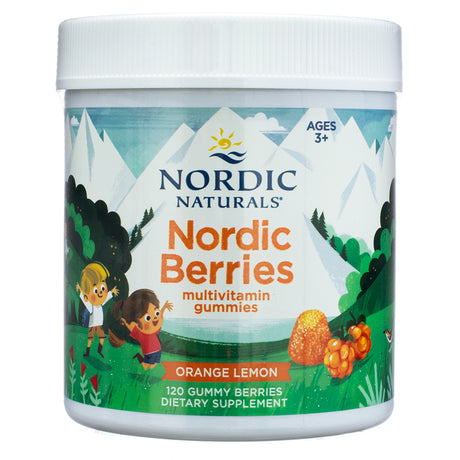
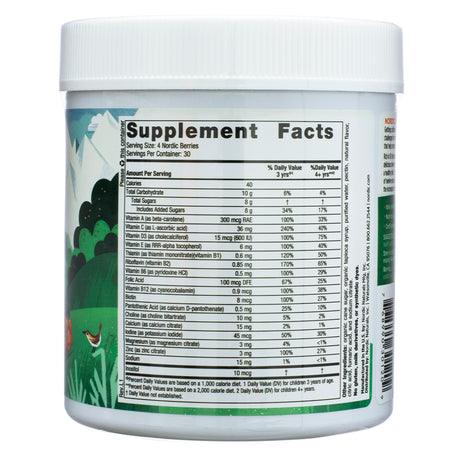
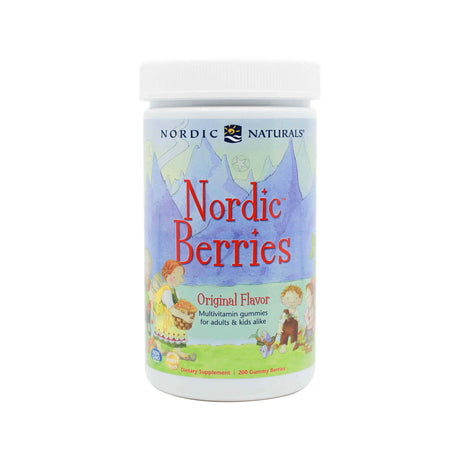
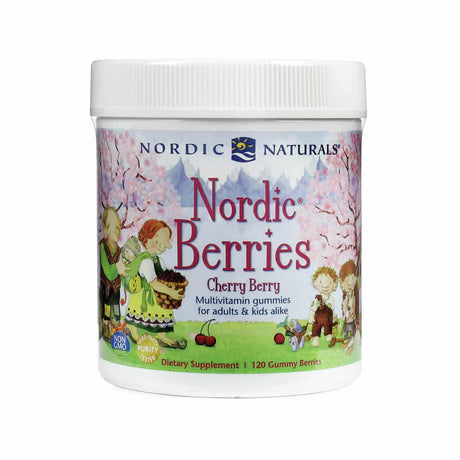
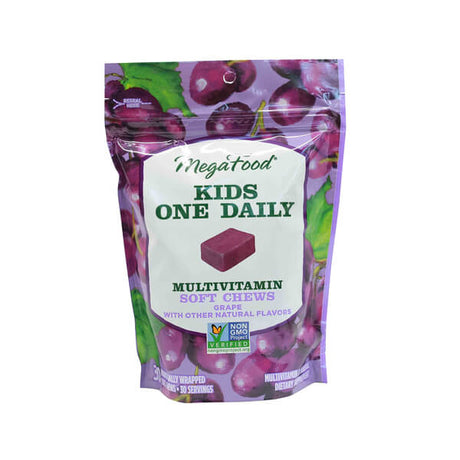
For kids, taste and consistency matter almost as much as the label. Nordic Naturals Nordic Berries Multivitamin Gummies can be great for compliance, but gummies usually have fewer minerals and lower amounts than capsules or tablets. That is not automatically bad. It just means they are often a lighter nutritional bridge, not the most complete option on the shelf.
Common mistakes people make
The biggest one is choosing by front-label buzzwords only. "Organic," "natural," and "whole food" can be helpful clues, but they do not tell you whether the formula has enough vitamin D, includes iron, skips iodine, or uses the nutrient forms you want. If you are searching for the best organic multivitamin, I would still turn the bottle around and compare the Supplement Facts before anything else.
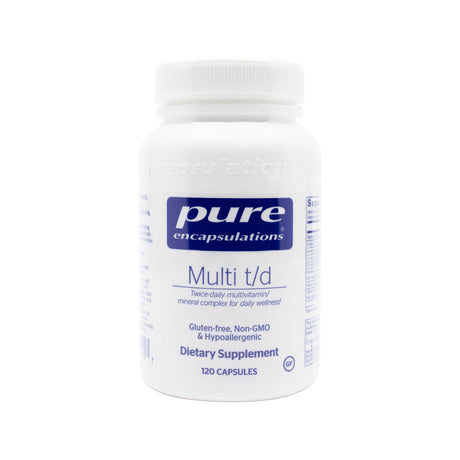
Another common mistake is ignoring serving size. A one-daily formula is different from a two-capsule or two-tablet formula, and that affects both convenience and total nutrient delivery. Pure Encapsulations Multi T/D Capsules is a twice-daily style formula, while several MegaFood options are once daily.
People also assume gummies are equal to tablets or capsules. Usually they are not. Gummies can be a smart choice for someone who otherwise will not take a supplement, but they often leave out minerals like iron or magnesium because those are harder to fit into a gummy format.
Who should talk to a practitioner first
Please slow down and check with a qualified practitioner before starting a multivitamin if you are pregnant, trying to conceive, managing a thyroid condition, have kidney disease, are prone to iron overload, or take prescription medications. This is especially important with warfarin and other blood thinners because vitamin K intake needs to stay consistent, with thyroid medication because minerals can interfere with absorption timing, and with certain antibiotics because calcium, magnesium, iron, and zinc can bind medications and reduce absorption.
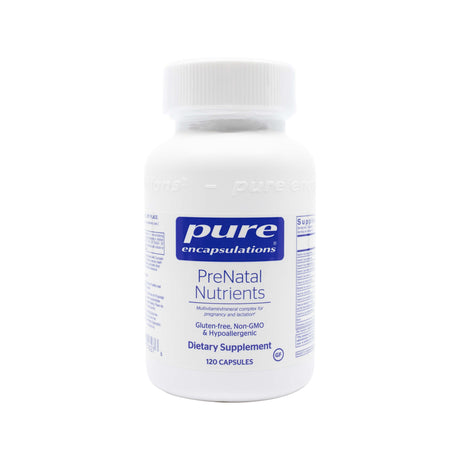
If you take a separate vitamin D, iron, selenium, or iodine supplement, make sure you are not accidentally stacking high amounts on top of your multi. Prenatal formulas are a category where this matters a lot. If you want more individualized guidance, you can reach out through our contact page or learn more about practitioner support at our experts.
These statements have not been evaluated by the Food and Drug Administration. These products are not intended to diagnose, treat, cure, or prevent any disease.





 Start your journey


 Contact Us