What Oregon's Wild Harvest supplements are all about
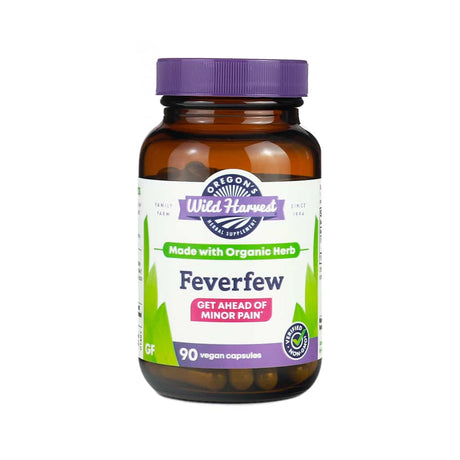
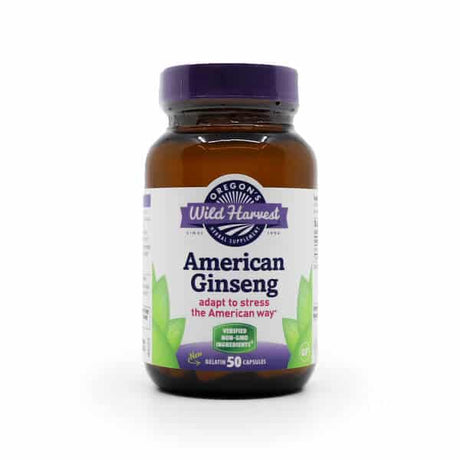
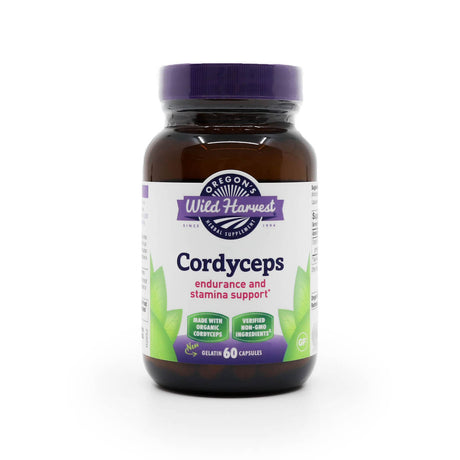
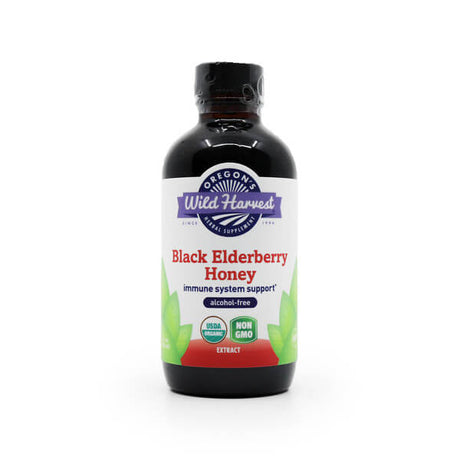
Oregon's Wild Harvest makes organic herbal supplements with straightforward ingredient lists and a whole-plant approach. That matters because herbs come in different forms. Some formulas use the whole herb in capsules, while others are extracts or powders. In this collection, most products are simple single-herb capsules, which makes it easier to shop by herb instead of sorting through long blends.
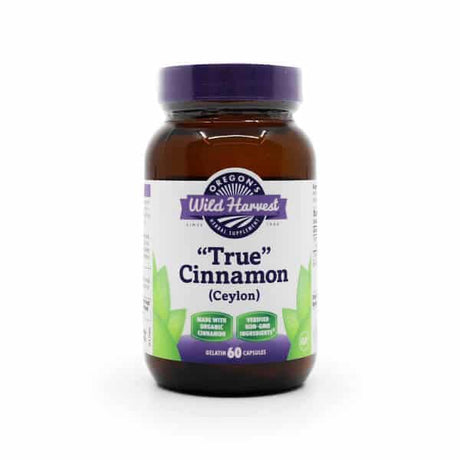
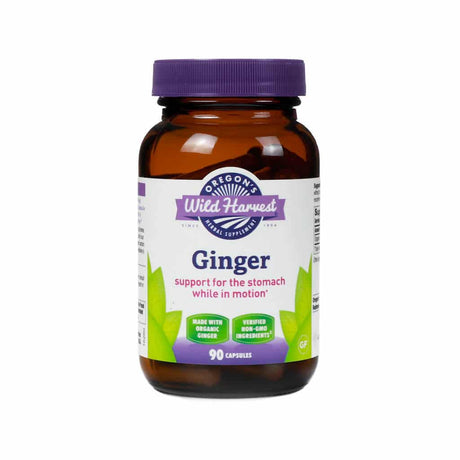
If you're searching for "wild harvest vitamins" or "wild harvest supplements," it helps to think of this brand less as a multivitamin line and more as a selection of botanicals. Oregon's Wild Harvest Ashwagandha Capsules are geared toward a healthy stress response and mental focus*. Oregon's Wild Harvest Rhodiola Capsules are another adaptogenic option for everyday stress support and stamina*. For digestion, some customers choose Oregon's Wild Harvest Ginger - Organic Capsules or Oregon's Wild Harvest Organic Cinnamon True Ceylon Capsules. Others look for herbs that support liver function, circulation, cognitive function, or monthly hormone balance*.
That one-herb-at-a-time style is a big reason people shop this line. If you already know which herb you want, it's usually easy to find a clean formula without a long list of extras.
How to choose the right herb for your goal
Start with your main reason for shopping. For occasional stress support, ashwagandha and rhodiola are two of the most commonly compared options. Ashwagandha is often chosen for a steadier, more grounded feel and healthy stress resilience*. Rhodiola tends to appeal to people who want stress support with more mental and physical stamina*. If you're unsure which to try, starting with one instead of both makes it easier to see how your body responds.
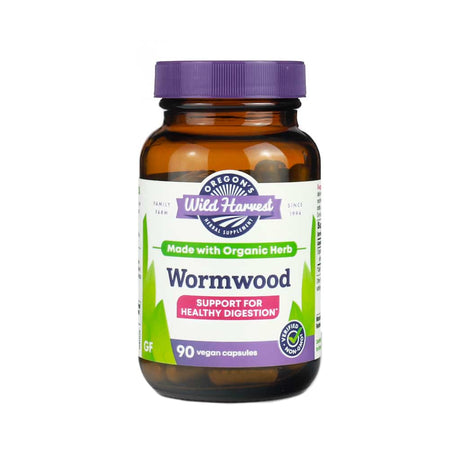
For digestive support, traditional use and format both matter. Ginger is a classic option for stomach comfort, especially for travel or occasional queasiness*. Cinnamon is more of a gentle everyday digestive wellness herb*. Oregon's Wild Harvest Wormwood Capsules is a more specialized digestive option and usually not the first place casual supplement shoppers start.
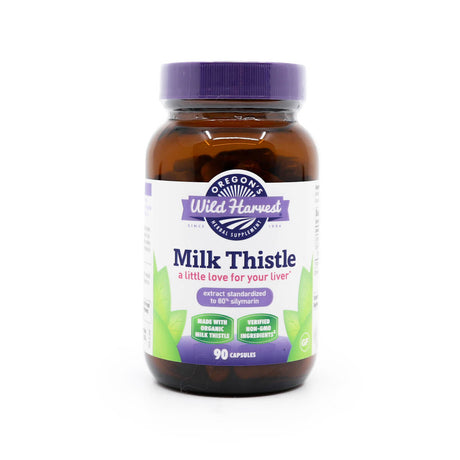
If you're looking at liver support, compare Oregon's Wild Harvest Organic Milk Thistle Capsules with Oregon's Wild Harvest Milk Thistle Dandelion Organic Capsules. The first keeps it to milk thistle alone. The second combines milk thistle with dandelion for a broader herbal approach to liver and digestive support*. Some people prefer a single herb because it's easier to evaluate. Others prefer a combination because it covers more than one area at once.
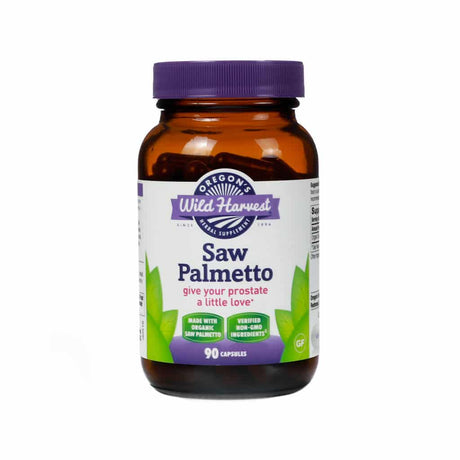
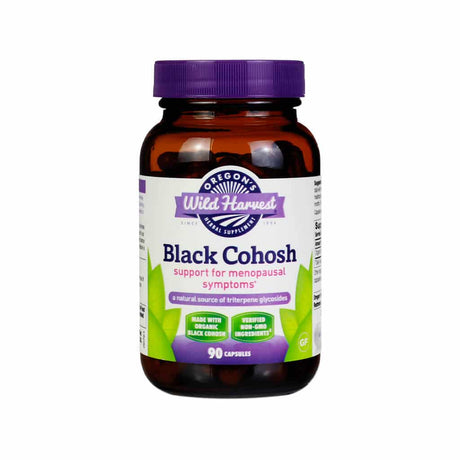
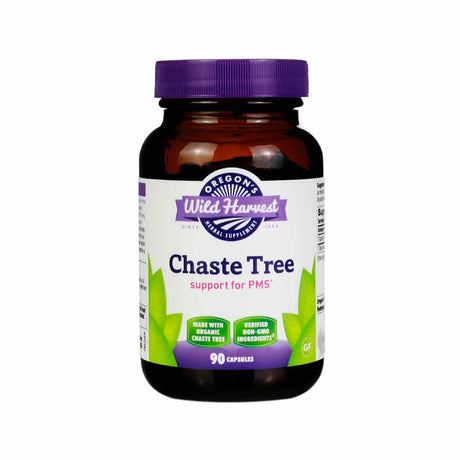
There are also more targeted options. Oregon's Wild Harvest Saw Palmetto - Organic Capsules is a common choice for prostate wellness and urinary flow support*. Oregon's Wild Harvest Black Cohosh Capsules and Oregon's Wild Harvest Chaste Tree Capsules are often browsed by women looking for support during monthly cycle changes or menopause-related transitions*. Oregon's Wild Harvest Organic Ginkgo Capsules is a common pick for focus and cognitive support*.
What to compare before you add one to your cart
Before you buy, compare the basics. Two herbal products can sound similar but differ quite a bit in actual use.
First, check whether you're looking at a single herb or a blend. Single herbs like Oregon's Wild Harvest Hawthorn, Echinacea, Dandelion Root, and Ginkgo are easier to match to one goal. Blends like Milk Thistle Dandelion cover more ground.
Then look at the amount per serving on the label. More is not always better, but serving size helps you tell whether a formula is lighter for daily use or more robust. If you're comparing two stress herbs, this can make a difference.
Capsule count matters too. A 60-capsule bottle like Rhodiola may last differently than a 90-capsule bottle like Ashwagandha, depending on suggested use.
Also consider format. Oregon's Wild Harvest Organic Beet Root Powder is less convenient than capsules for some people, but others like powders because they can mix them into smoothies or water. Beet root also has a distinct earthy taste, so if you know you won't use it that way, capsules may make more sense.
The other big point is whole herb versus extract. Many shoppers choose Oregon's Wild Harvest because the formulas tend to stay close to the plant itself instead of relying on heavily engineered blends. If you prefer traditional herbalism and simpler labels, that's a real plus.
Common mistakes people make with herbal supplements
One common mistake is starting several herbs for the same goal at the same time. This happens a lot with stress support. Someone buys ashwagandha, rhodiola, and ginkgo together, then can't tell which one is doing what. Starting with one is usually simpler.
Another mistake is overlooking the practical side. Powder may sound appealing until you remember you do not want to mix drinks before work. In that case, capsules are probably the better fit, even if the powder seems more flexible.
People also assume "organic" means every herb is a fit for everyone. Organic matters, but it does not replace reading the label, checking serving size, or thinking about interactions. Herbs are active compounds, not just wellness products.
Who should check with a practitioner first
If you are pregnant, nursing, taking prescription medications, scheduled for surgery, or managing an ongoing medical condition, it's smart to check with a qualified practitioner before starting herbal supplements. Some herbs need extra caution. Ginkgo may not be a fit for people using blood-thinning medications. Saw palmetto, chaste tree, and black cohosh are worth reviewing with a practitioner if you are using hormone-related medications or have a hormone-sensitive health history. Ginger can be helpful for stomach comfort*, but higher-intake ginger products may also deserve a medication review in some cases.
If you want more personalized guidance, you can reach out through our contact page or learn more about our practitioners at Our Experts. These statements have not been evaluated by the Food and Drug Administration. These products are not intended to diagnose, treat, cure, or prevent any disease.


 Start your journey
 Contact Us