What postnatal care supplements are meant to do
The weeks and months after birth can be demanding. Recovery, feeding, and changes in sleep can make it harder to stay on top of nutrition. Postnatal supplements are used to help fill common nutrient gaps, support energy metabolism, and provide nutritional support during breastfeeding.
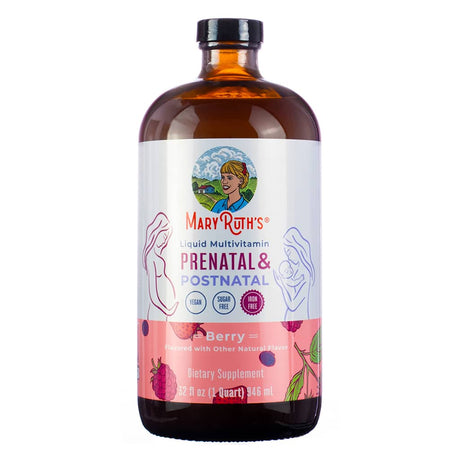
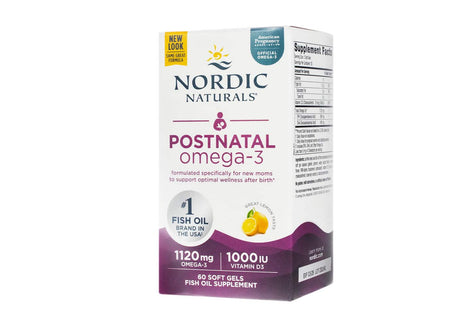
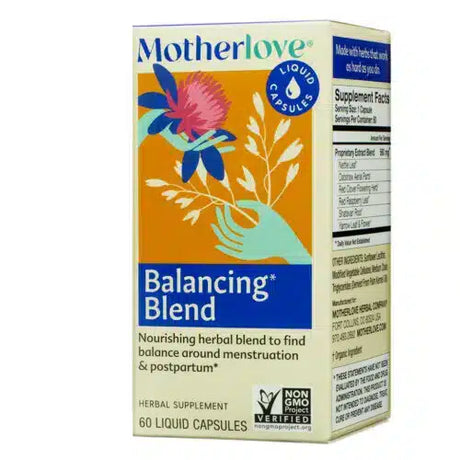
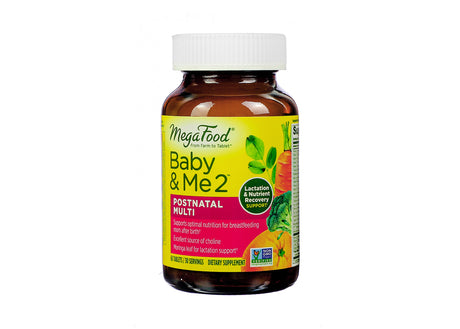
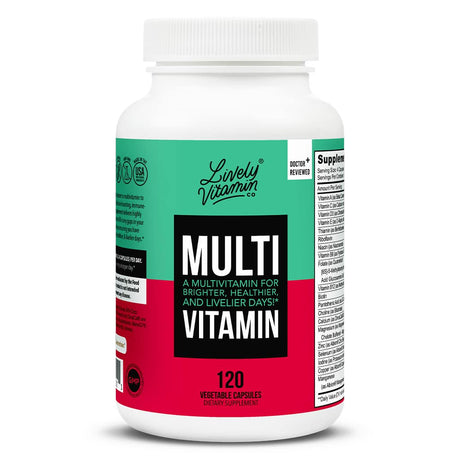
In this collection, that support shows up in a few ways. Some products cover the basics, like MaryRuth Liquid Prenatal + Postnatal Multivitamin - Berry and MegaFood Baby & Me 2 Postnatal Multi Tablets. Others are more specific. Nordic Naturals Postnatal Omega-3 Softgels focuses on omega-3 fats, especially DHA, which helps support brain, eye, and nervous system health for mom and baby during nursing. The Motherlove formulas are intended for lactation support, using herbs traditionally used to help maintain healthy breast milk production.
If you're still taking a prenatal after delivery, that's common. Some people keep using a prenatal-style formula while breastfeeding, while others switch to a product labeled for postpartum use. The better fit depends on whether you want broad nutrient support, breastfeeding support, or both.
Who might benefit from this category
Postnatal supplements may be useful for women who want added nutritional support after delivery, especially during breastfeeding. People usually shop this category because they want help keeping up with increased nutrient demands, want a simpler way to get key vitamins back into their routine, or want herbal support for milk supply.
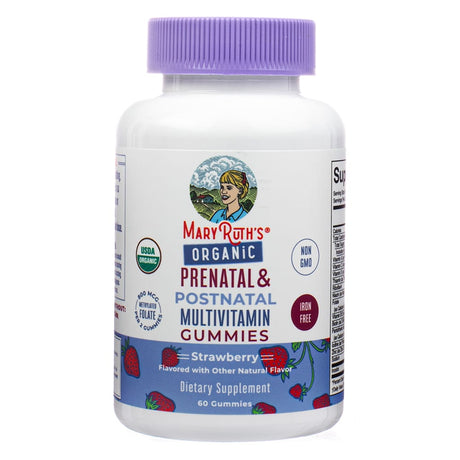
If swallowing pills feels like too much right now, liquid and gummy options can help. MaryRuth Organic Prenatal & Postnatal Multivitamin Gummies - Strawberry is a chewable option, while the MaryRuth liquid multivitamin works for people who would rather measure a serving than take tablets. If you want a standard tablet, MegaFood Baby & Me 2 Postnatal Multi is a simple option.
For breastfeeding support, the Motherlove lineup includes a few directions. Motherlove More Milk Plus Liquid Capsules is a popular herbal blend for healthy milk production support. Motherlove More Milk Moringa Liquid Capsules and Motherlove Malunggay (Moringa) Liquid Capsules are options if you want a fenugreek-free formula or prefer moringa-based support.
How to choose the right postnatal supplement
Start with the type of support you want. If your main goal is broad nutritional coverage, a multivitamin makes sense. If you're breastfeeding and already taking a multi you like, adding an omega-3 or a lactation formula may make more sense than taking several overlapping multis.
Form matters. Gummies are easy to take, but they may not offer the same nutrient profile as a tablet or liquid. Liquids can work well if you want flexibility or have trouble swallowing pills. Softgels are common for fish oil because they help protect the oils and are easy to portion.
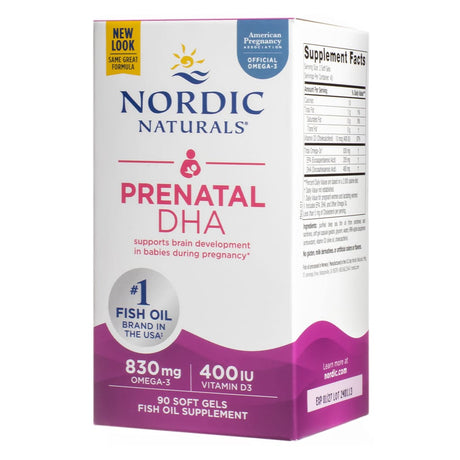
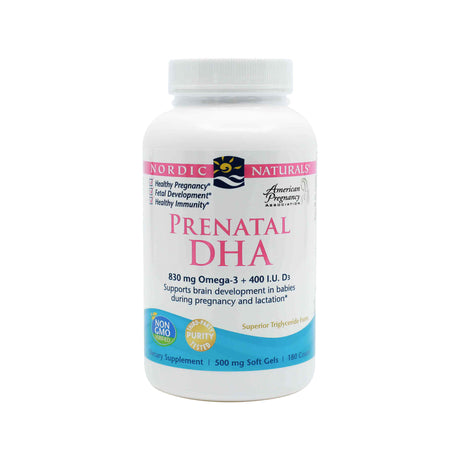
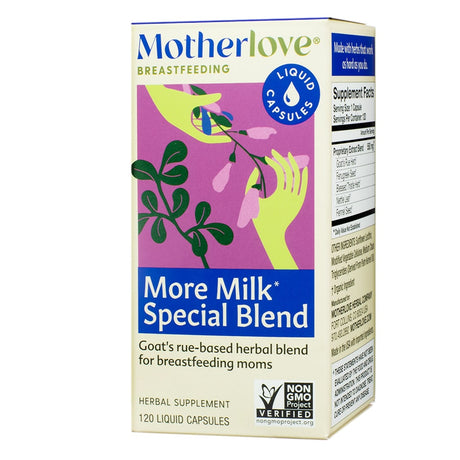
Then look at the ingredient focus. Nordic Naturals Prenatal DHA - Unflavored and Nordic Naturals Postnatal Omega-3 both focus on DHA-rich omega-3 support. That can be useful if you specifically want fatty acid support instead of a full multivitamin. On the herbal side, Motherlove products differ by blend. More Milk Plus is a combination formula, while the moringa products may be a better fit if you're avoiding fenugreek. If you've searched for "more milk special blend," you're probably looking for Motherlove More Milk Special Blend Liquid Capsules, a postpartum-focused herbal formula for healthy lactation support.
It's also worth comparing delivery format and serving routine before you choose. A product only helps if you'll take it consistently.
Common mistakes people make
One common mistake is choosing a product based only on the word "postnatal" without checking whether it's a multivitamin, an omega-3, or an herbal lactation formula. Another is doubling up on similar nutrients by taking several multis at once. Some people also choose fenugreek automatically, even when they already know they do better with fenugreek-free options. Format gets missed too. A formula can look good on paper and still be a poor fit if you don't want to take it every day.
Another mistake is expecting one supplement to cover everything. A postnatal multi supports nutrient intake. An omega-3 supports healthy fatty acid status. A lactation herb supports healthy milk production. Those are different uses.
Who should check with a practitioner first
If you're taking prescription medications, have a history of hormone-sensitive concerns, thyroid concerns, or aren't sure whether certain herbs make sense for your situation, check with a qualified practitioner before starting something new. That matters even more with blended herbal products used during breastfeeding.
If you want more personalized guidance, you can reach out through our contact page or learn more about our clinical team at our experts. These statements have not been evaluated by the Food and Drug Administration. These products are not intended to diagnose, treat, cure, or prevent any disease.
Quick questions we hear a lot
Can I keep taking my prenatal after birth?
Often, yes. Many people continue a prenatal-style formula while breastfeeding. Others switch to a postnatal multi if they want a formula tailored to postpartum needs and recovery support.
What's the difference between Prenatal DHA and Postnatal Omega-3?
Both provide omega-3 support, but the labeling and intended use are a little different. Prenatal DHA is commonly used during pregnancy and beyond, while Postnatal Omega-3 is positioned specifically for after birth and nursing support.
Do I need a lactation supplement and a multivitamin?
Not always. If your main concern is overall nutrient intake, start with a multi. If you're specifically looking for breastfeeding support, a targeted herbal product may be the better first step. If you're unsure, our team can help you sort through the options.


 Start your journey