What prebiotic supplements are, and what they do
Prebiotics are types of fiber and fermented compounds that your body does not fully digest. Instead, they feed beneficial gut bacteria. That is the main difference between prebiotics and probiotics. Probiotics add live organisms. Prebiotics feed the organisms already there. Many people use both, which is why this collection includes stand-alone fiber powders and combination products.
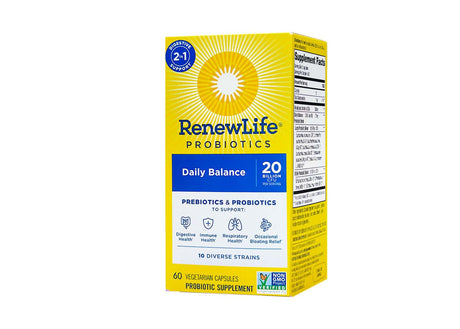
In this category, you'll see a few different options. Renew Life Completely Clear Prebiotic Fiber Powder is a simple prebiotic fiber powder for people who want more fiber without adding a probiotic. Renew Life Daily Balance 2-In-1 Prebiotics + Probiotics Capsules combines plant-based prebiotics with 10 probiotic strains for people who want an all-in-one formula. You will also find products where the prebiotic is part of a broader digestive formula, like Vibrant Health Digestive Vibrance, which pairs fermentable fibers with probiotics and plant-based nutrients.
These supplements are typically used to support digestive regularity, promote a balanced gut environment, and help maintain healthy bowel function.* Some people also use them to help with fullness and fiber intake.*
How to choose the best prebiotic supplement for your goals
Start with one question: do you want more fiber, a probiotic plus prebiotic combo, or a broader digestive formula?
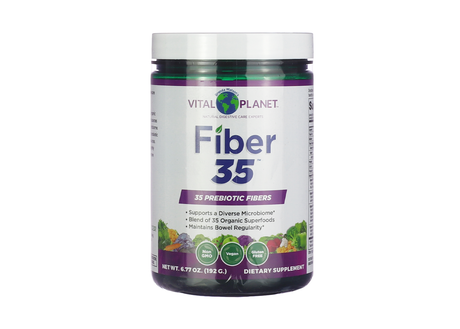
For higher-fiber goals, powders usually make the most sense. They often provide more prebiotic fiber per serving than capsules. Renew Life Daily Digestive Organic Prebiotic Fiber is worth a look if regularity and daily fiber support are your main priorities. If you want something that mixes easily into water and feels less like a typical fiber supplement, Renew Life Completely Clear Prebiotic Fiber Powder is a good starting point.
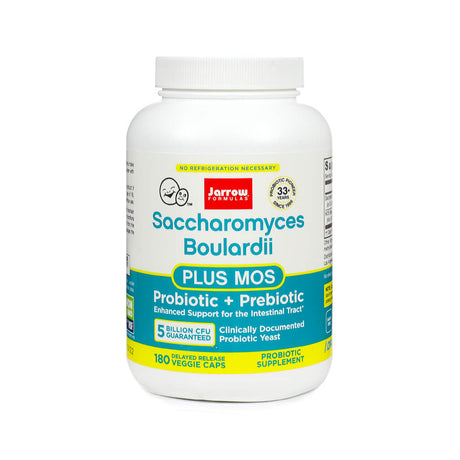
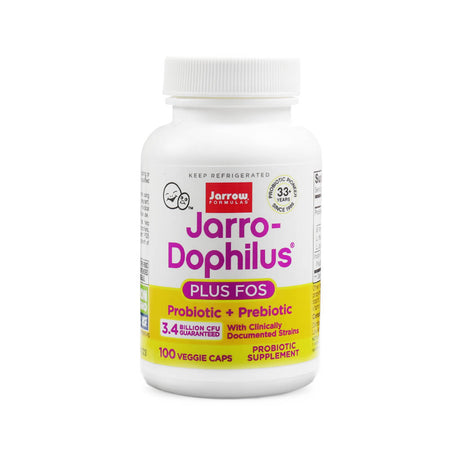
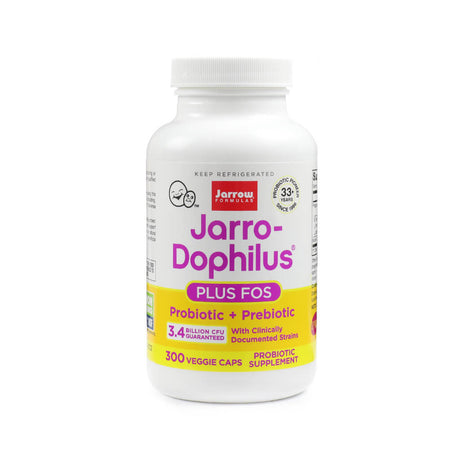
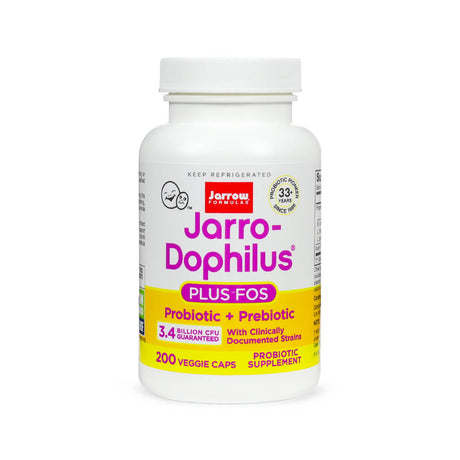
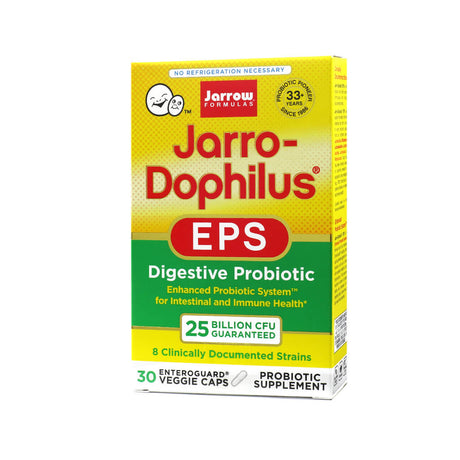
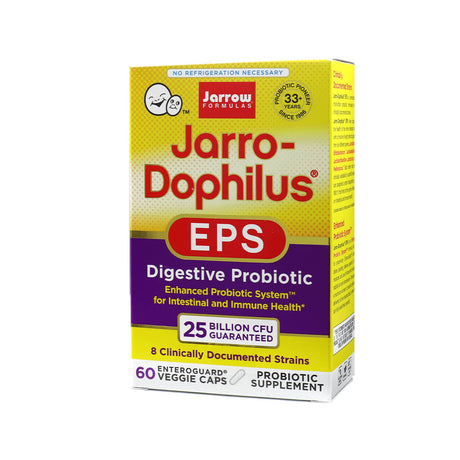
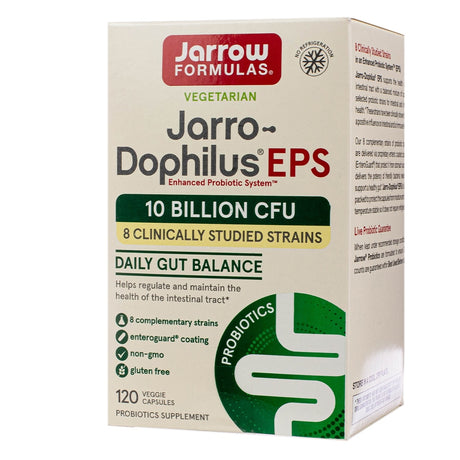
For combination support, capsules are often easier. Jarrow Formulas Jarro-Dophilus + FOS includes FOS, short for fructooligosaccharides, a common prebiotic that feeds beneficial bacteria. Jarrow Formulas Saccharomyces Boulardii + MOS uses MOS, mannan-oligosaccharides, alongside probiotic yeast. That may appeal to people who want a non-bacterial probiotic option paired with a prebiotic. And if you're shopping for a lower-dose daily formula instead of a mega-CFU product, Jarro-Dophilus + FOS is a reminder that bigger numbers are not the only thing to compare.
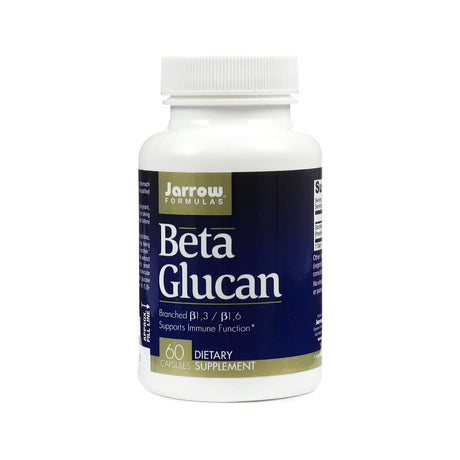
You'll also notice different prebiotic forms across the category. Common ones include inulin, FOS, GOS, acacia fiber, beta glucans, and other fermentable fibers. They do not all feel the same in practice. Inulin and FOS are popular and well studied, but they can cause more gas for some people. Acacia tends to be gentler for sensitive digestion. Beta glucans, like the ones in Jarrow Formulas Beta Glucan, are a different type of prebiotic fiber that may be a better fit if you want digestive support without moving straight to a larger fiber powder.
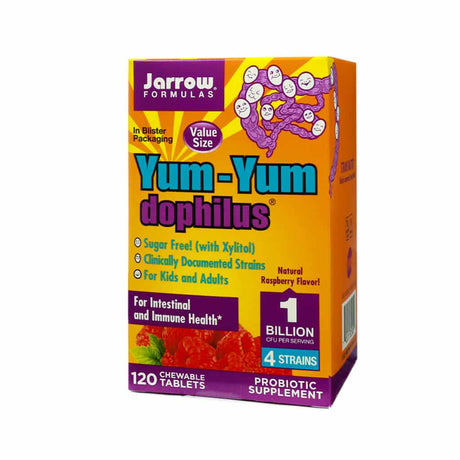
If you're shopping for a child, delivery format matters. Nordic Naturals Kids Nordic Flora Probiotic Gummies and Jarrow Formulas Yum Yum Dophilus are easier for many families than powders or capsules. For pregnancy, MegaFood Baby & Me 2 Prenatal Probiotic + Prebiotic is one of the more targeted options in this collection.
Buying criteria that matter
A few details make this category easier to shop. Check the grams of prebiotic fiber per serving on the label. If your goal is simply to get more fiber in, powders often beat capsules by a wide margin. Look at the form of prebiotic used too. FOS and inulin are common, effective choices, but they can be more stimulating for some people. Gentler fibers may be easier if your digestion is easily thrown off. Tolerance matters, not just potency. A product you can take consistently is usually a better fit than the strongest formula on the shelf. And pick the format you'll actually use. Capsules are convenient, powders can offer more fiber, and gummies or chewables can make sense for kids.
If you have a sensitive stomach, start lower and simpler. A clear-mixing powder or a modest combo like Jarro-Dophilus + FOS may be easier than jumping into a very high-potency, multi-part formula. If your main goal is a bigger fiber increase, a dedicated powder is usually the better choice.
Common mistakes people make with prebiotics
The biggest mistake is starting too high, too fast. Prebiotics can support gut balance and regularity, but they can also cause gas, bloating, or cramping if you ramp up quickly. More is not always better on day one.
Another common issue is ignoring the ingredient form. People search for the "best prebiotic supplement" as if there is one winner, but the better question is what your gut tolerates. Someone who wants stronger fiber support may do well with a powder. Someone with a more reactive digestive system may prefer a lower-dose capsule or a gentler blend.
It is also easy to confuse prebiotics with probiotics. If you're specifically looking for both, browse our probiotics collection too, since many of the best prebiotic and probiotic options overlap across both categories.
Who should be more careful before starting
Prebiotic supplements are not a fit-for-all product. Talk with a qualified practitioner before using them if you are pregnant, shopping for a young child, taking medications, or dealing with significant digestive symptoms or a medically managed GI condition. Extra fiber can affect comfort, timing, and tolerance, and combo products may add more moving parts than you expect.
Start with a small amount, increase gradually, and drink enough water. If a product leaves you feeling overly gassy or uncomfortable, that does not always mean prebiotics are wrong for you. It may just mean the dose, form, or delivery method is not the best match.
These statements have not been evaluated by the Food and Drug Administration. These products are not intended to diagnose, treat, cure, or prevent any disease.
If you want help sorting through forms, doses, or combo options, reach out through our contact page or learn more about our practitioners at Our Experts.


 Start your journey
 Contact Us