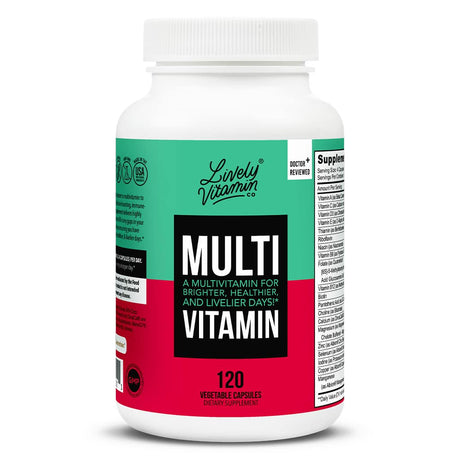
What vitamin C supplements do, and why form matters
Vitamin C is a water-soluble nutrient your body uses every day. It supports normal immune function, collagen production for skin and connective tissue, antioxidant activity, and iron absorption. Because your body does not store large amounts, many people take it regularly rather than taking a large serving once in a while.
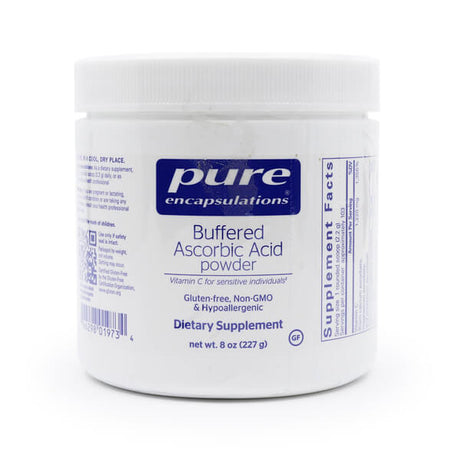
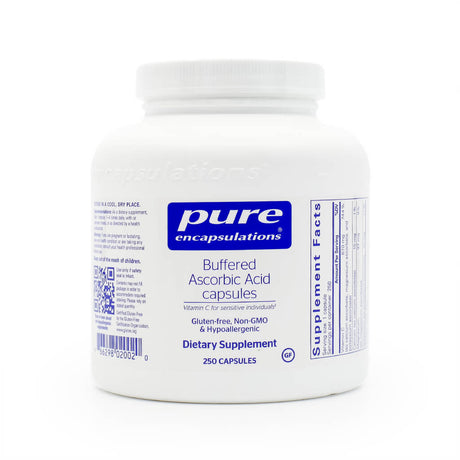
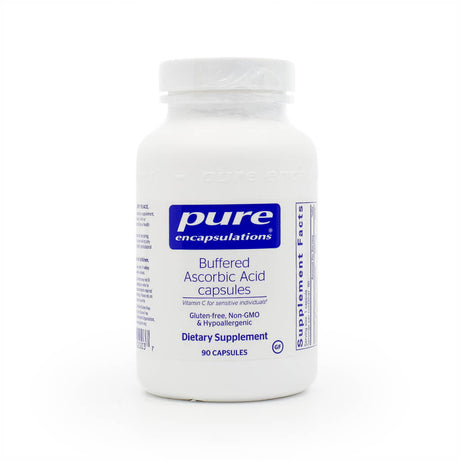
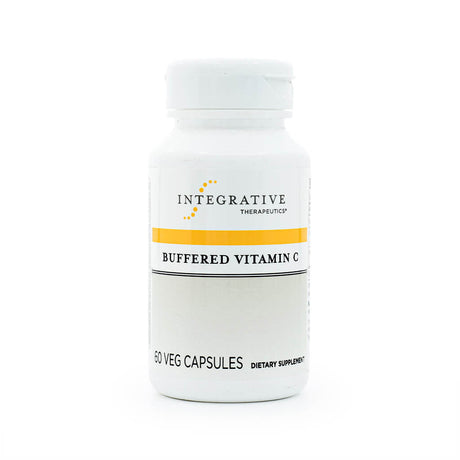
Not every vitamin C supplement feels the same. Standard ascorbic acid is common and effective, but some people find it harsh on an empty stomach. That is where "buffered" vitamin C comes in. On labels, buffered usually means the vitamin C is attached to minerals like calcium, magnesium, or potassium to create forms such as calcium ascorbate or magnesium ascorbate. These forms tend to have a less acidic, more neutral pH. If standard vitamin C has felt irritating, start with Pure Encapsulations Buffered Ascorbic Acid Capsules, Pure Encapsulations Buffered Ascorbic Acid Powder, and Integrative Therapeutics Buffered Vitamin C Capsules.
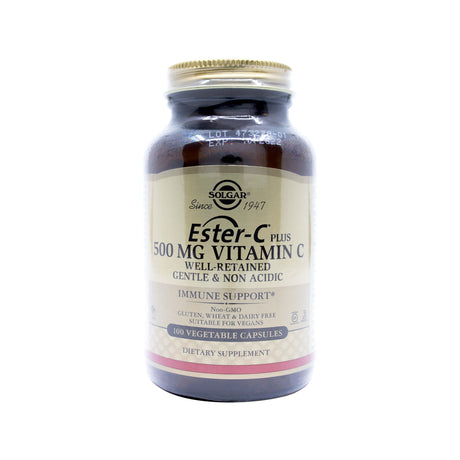
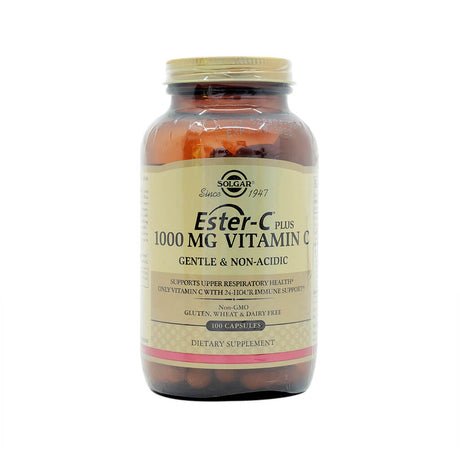
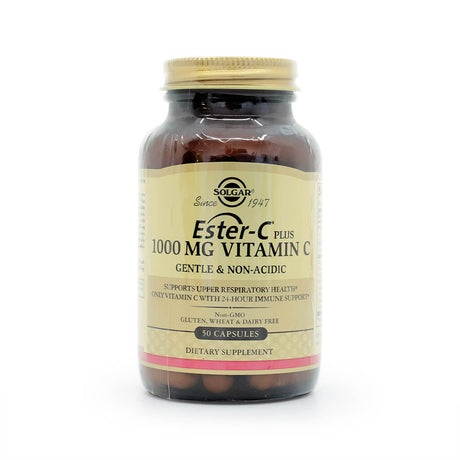
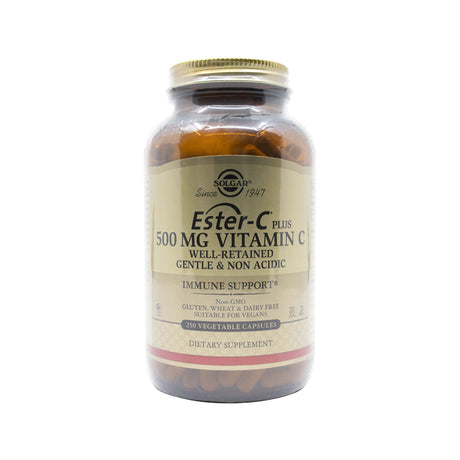
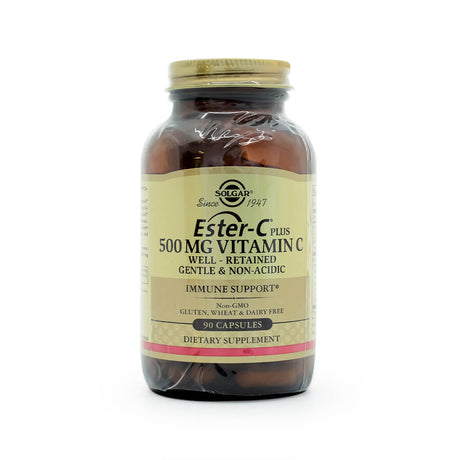
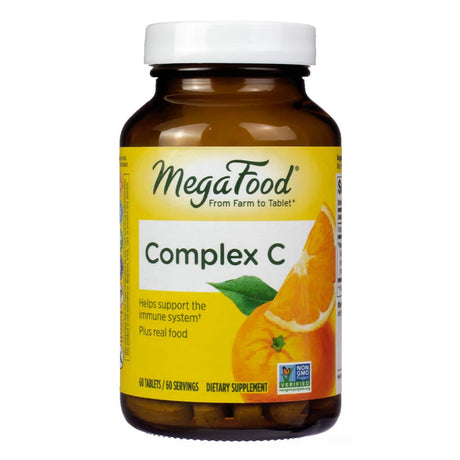
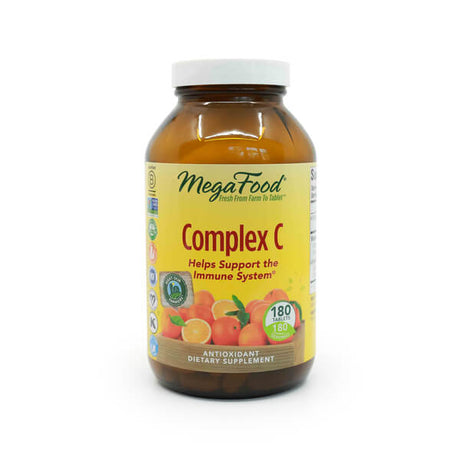
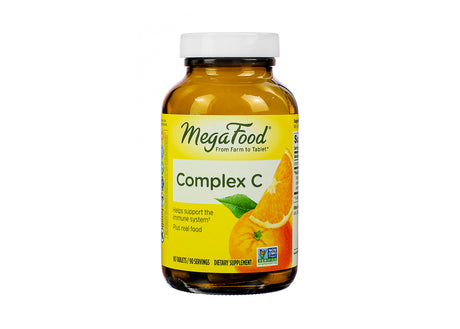
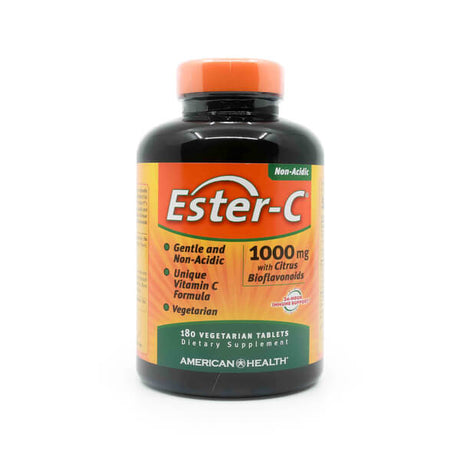
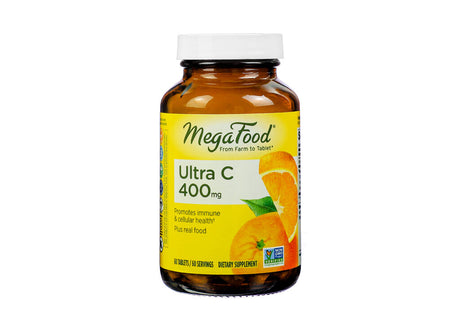
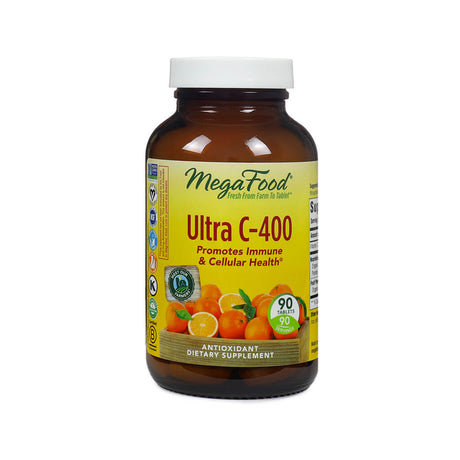
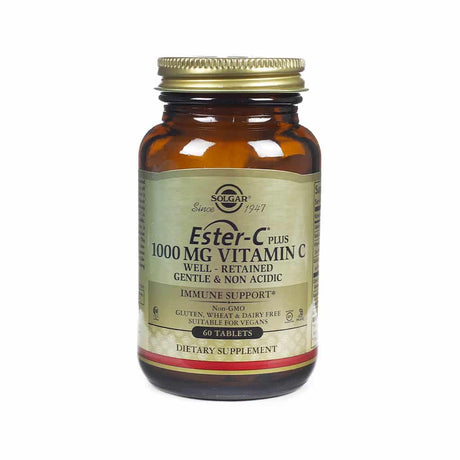
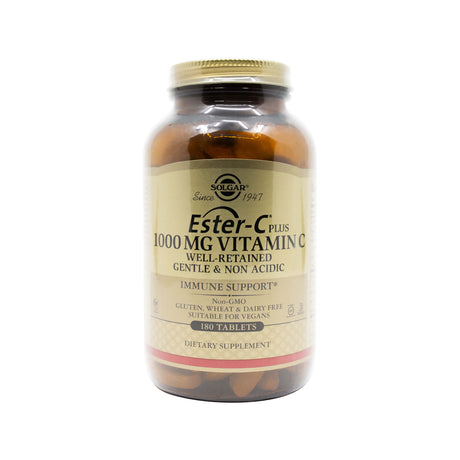
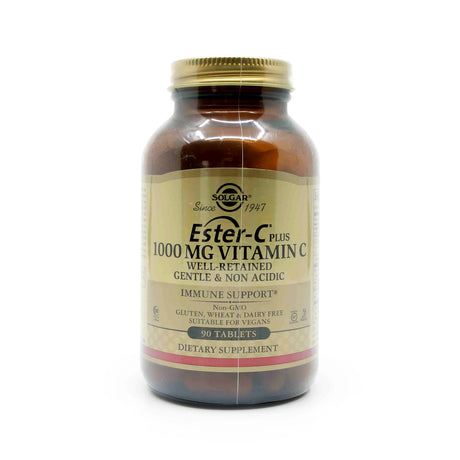
You will also see specialty forms. Ester-C products, like Solgar Ester-C Plus and American Health Ester-C 1000mg with Citrus Bioflavonoids, are popular with shoppers looking for a non-acidic option. If you prefer food-based formulas, MegaFood Complex C and MegaFood Ultra C-400mg pair vitamin C with whole-food ingredients and phytonutrients.
How much vitamin C do people usually take?
This is one of the most common shopping questions. For everyday support, many adults take 250 to 500 mg per day. That is often enough for a steady routine, especially if you already eat fruits and vegetables regularly. If you want a moderate daily option, MegaFood Ultra C-400mg fits that middle range.
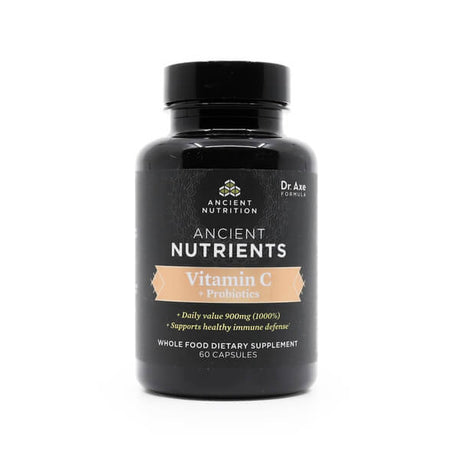
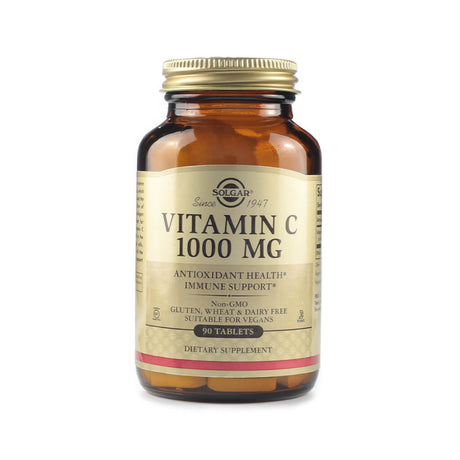
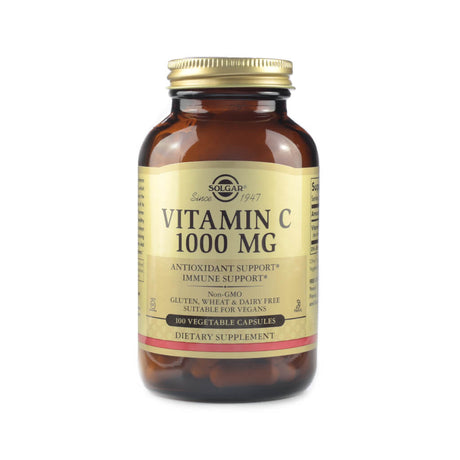
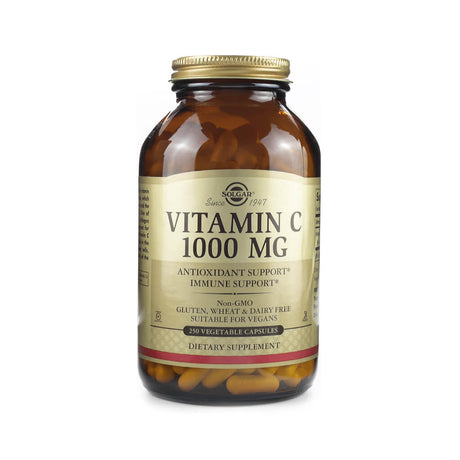
Higher-potency products, often around 900 to 1,000 mg, are common too. People usually choose those when they want a stronger daily supplement, prefer fewer pills, or already know they tolerate vitamin C well. Examples in this collection include American Health Ester-C 1000mg and Ancient Nutrition Vitamin C + Probiotics, which provides 900 mg per serving.
If you are new to vitamin C, it often makes sense to start lower and see how your stomach responds. You can always increase the amount later. Many people go straight to 1,000 mg, then find they would rather take something gentler and stay consistent with it.
How to choose between capsules, powders, gummies, and chewables
Capsules are the easiest fit for most adults. They are simple, usually lower in sugar, and often available in gentler forms. If you want a straightforward daily option, Lively Vitamin Co. Citrus Kick Capsules is a basic capsule choice, while buffered capsules are often a better fit for sensitive stomachs.
Powders give you flexibility. You can start with a smaller scoop, split servings across the day, or mix them into water or a smoothie. That is especially helpful for people who do not like swallowing pills or want to adjust the dose more precisely. Pure Encapsulations Buffered Ascorbic Acid Powder stands out here because it is buffered and easy to adjust.
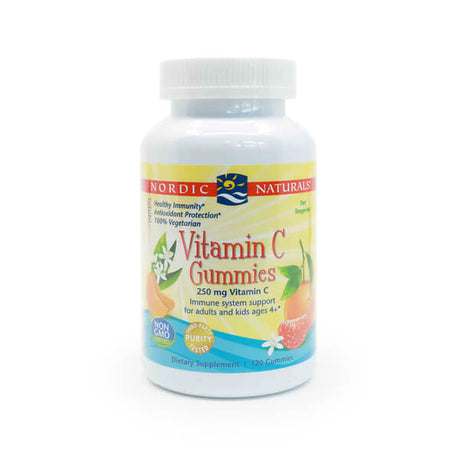
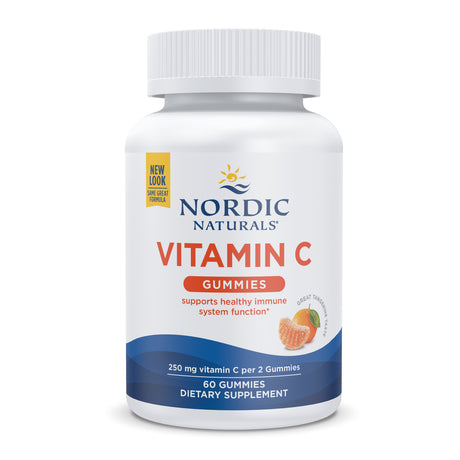
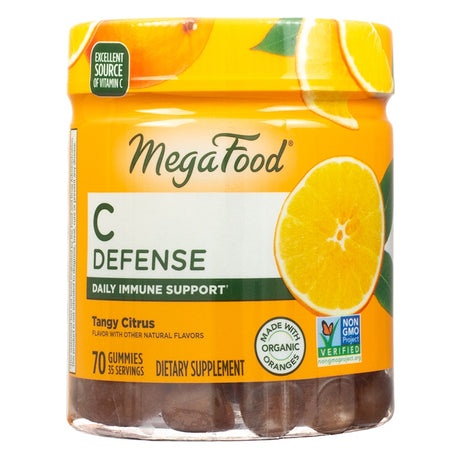
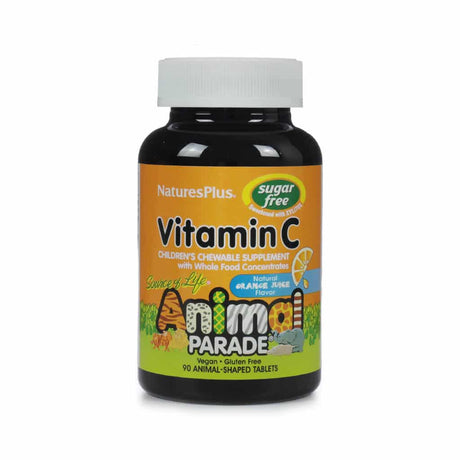
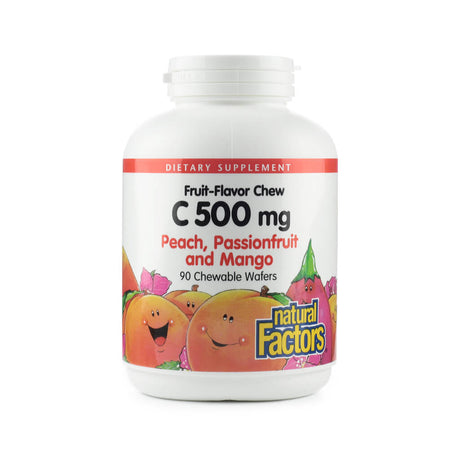
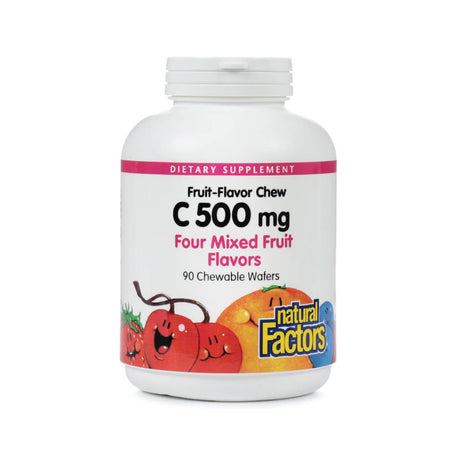
Gummies and chewables can make it easier to stay consistent. If a supplement tastes good, people are more likely to remember to take it. Nordic Naturals Vitamin C Gummies works well for adults and kids who want a tart gummy, and Nature's Plus Animal Parade Vitamin C Chewable Tablets is a kid-friendly chewable. The tradeoff is that gummies and chewables may contain sweeteners and usually provide lower amounts per serving than capsules or powders.
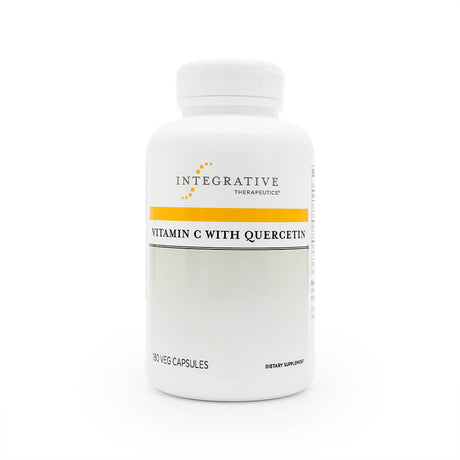
Some formulas include extra ingredients. Integrative Therapeutics Vitamin C With Quercetin combines vitamin C with quercetin and bioflavonoids, while Ancient Nutrition Vitamin C + Probiotics adds probiotics. These combinations can be useful, but they also mean you are shopping for more than just vitamin C, so make sure the added ingredients match your goal.
Common mistakes shoppers make
One common mistake is assuming a higher dose is always the better choice. Often it just means a higher chance of digestive upset if the form does not agree with you. Another is overlooking label language like "buffered," "Ester-C," or "whole-food." Those terms can tell you a lot about how the product may feel and what else is included.
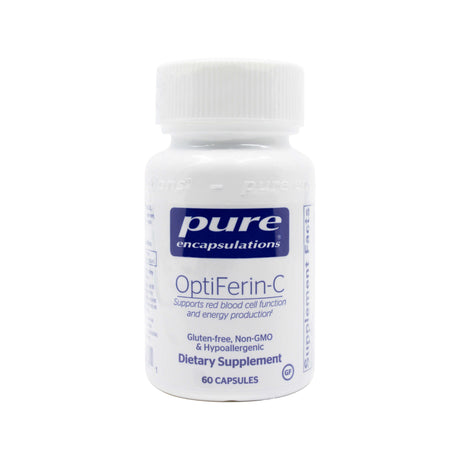
Another easy mistake is doubling up without realizing it. Vitamin C shows up in multivitamins, immune blends, greens powders, and even iron formulas. Pure Encapsulations Optiferin-C Capsules, for example, includes vitamin C alongside iron to support absorption. If you are also taking a separate vitamin C product, your total daily intake may be much higher than you think.
People also sometimes choose gummies for convenience, then expect capsule-level potency. Gummies can be a good fit, but if you want a higher amount without taking multiple servings, capsules or powder usually make more sense.
Who should be a little more careful
Vitamin C is generally well tolerated, but higher amounts can cause stomach upset, loose stools, cramping, or nausea in some people. If that sounds familiar, try taking it with food, splitting the dose, or switching to a buffered form. That is often enough to help.
It is also smart to talk with a clinician before using higher-dose vitamin C if you are pregnant, nursing, managing a complex health condition, prone to kidney stones, or taking multiple supplements that already include vitamin C. If you want more personalized guidance, you can reach our team through our contact page or learn more about practitioner support at Our Experts.
These statements have not been evaluated by the Food and Drug Administration. These products are not intended to diagnose, treat, cure, or prevent any disease.




 Start your journey

 Contact Us