What vitamin D supplements are for
Vitamin D helps your body absorb calcium and phosphorus, which is a big reason it matters for bone and teeth health.* It also supports normal immune function and muscle function.* Some people make enough from regular sun exposure, but in Wisconsin, that can be tough for a good chunk of the year. Add indoor work, sunscreen, age, or darker skin tone, and sunlight alone gets less reliable.
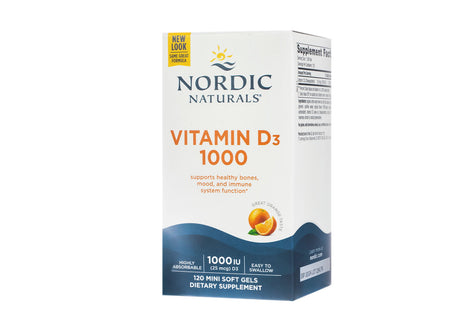
That is why vitamin D3 supplements are such a common everyday pick. In this collection, most formulas use vitamin D3, also called cholecalciferol, because it is the form most often used in supplements to help maintain healthy vitamin D status already in the normal range.* If you want a simple daily option, Nordic Naturals Vitamin D3 1000IU Softgels and Bluebonnet Vitamin D3 2000IU Softgels are the kind of straightforward formulas many shoppers start with.
D2 vs D3, and what IU vs mcg means
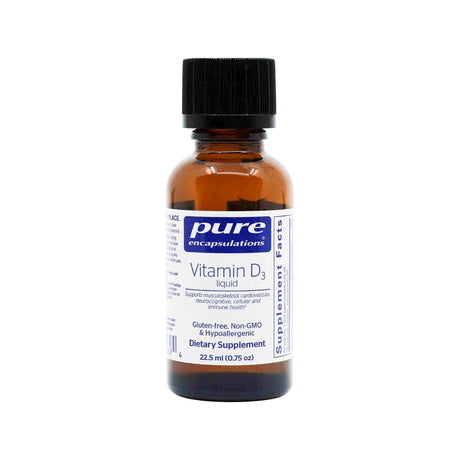
The quick version is this: vitamin D2 is typically plant-derived, and vitamin D3 is the form most often chosen for everyday supplementation. Most products in this collection are D3. If you want a vegan D3, look at Pure Encapsulations Vitamin D3 (Vegan) Liquid, which gives you a plant-based D3 option instead of the more common animal-sourced form.
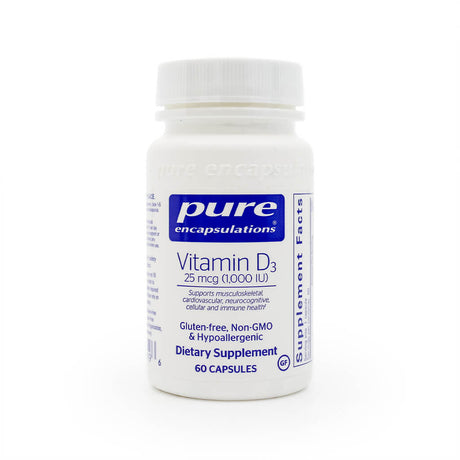
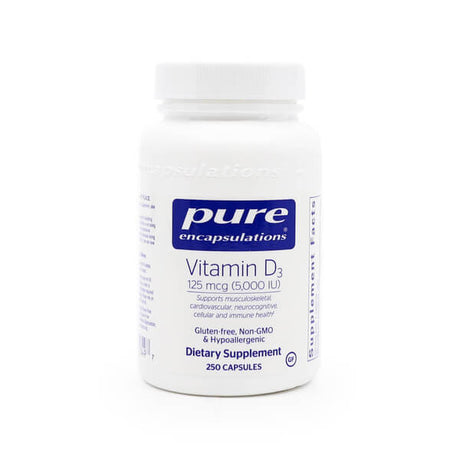
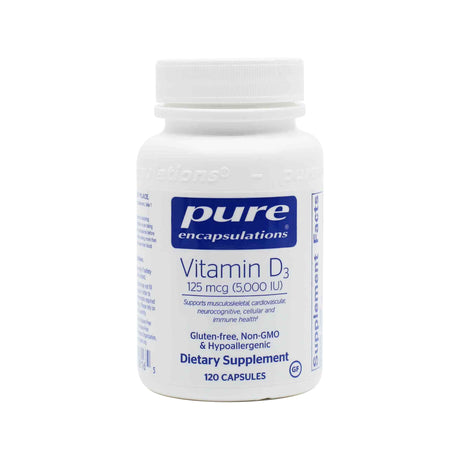
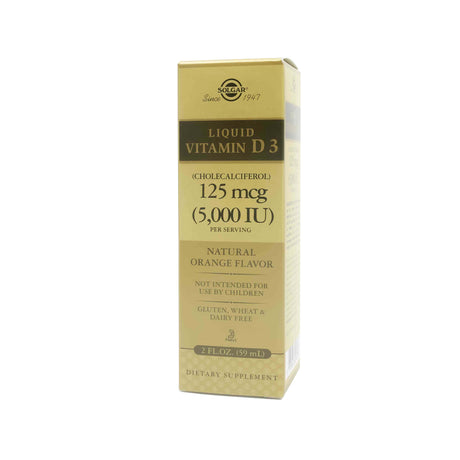
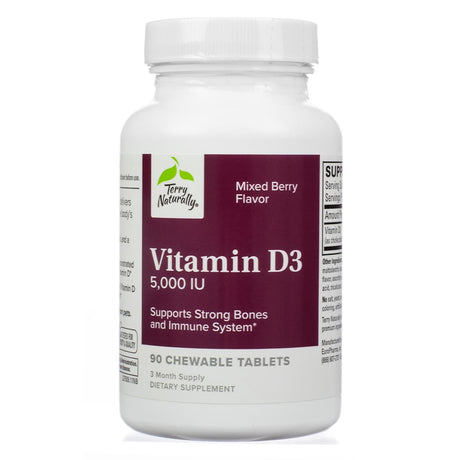
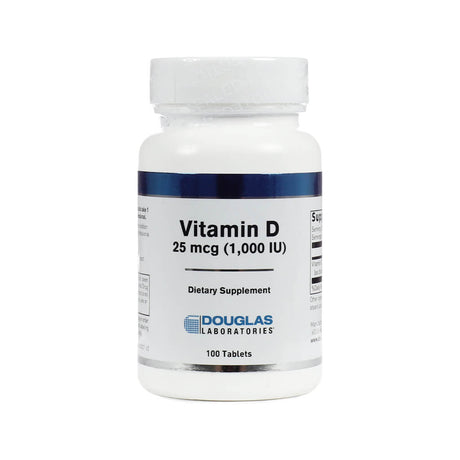
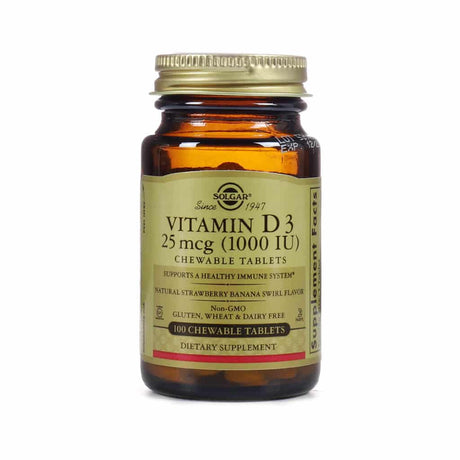
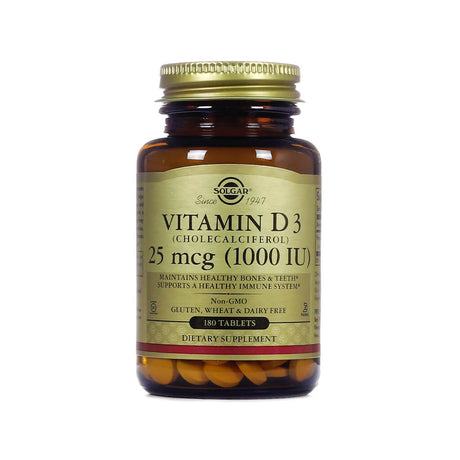
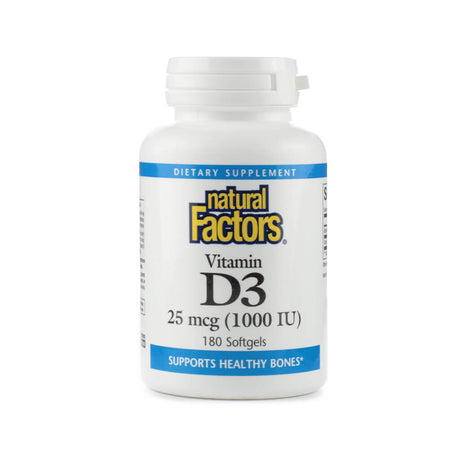
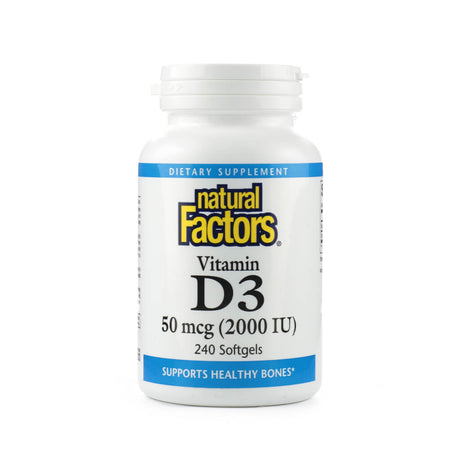
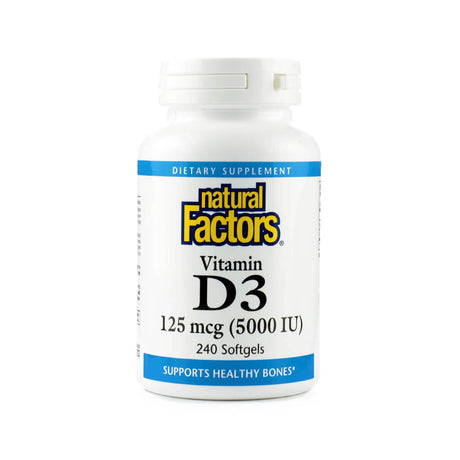
You will also notice vitamin D is listed in either IU or mcg. They are just two ways of expressing the same amount. For vitamin D, 1 mcg equals 40 IU. So 25 mcg equals 1,000 IU, 50 mcg equals 2,000 IU, and 125 mcg equals 5,000 IU. That makes label comparison a lot easier. If you are deciding between Nordic Naturals Vitamin D3 1000IU Softgels, Bluebonnet Vitamin D3 2000IU Softgels, and Solgar Liquid Vitamin D3 125mcg (5000 IU), the main difference is potency.
My practical take, for many adults shopping without a specific practitioner recommendation, is to compare 1,000 IU and 2,000 IU products before jumping to 5,000 IU. Higher-potency products can make sense, but they are not always the best first pick.
How to choose the best vitamin D supplement for you
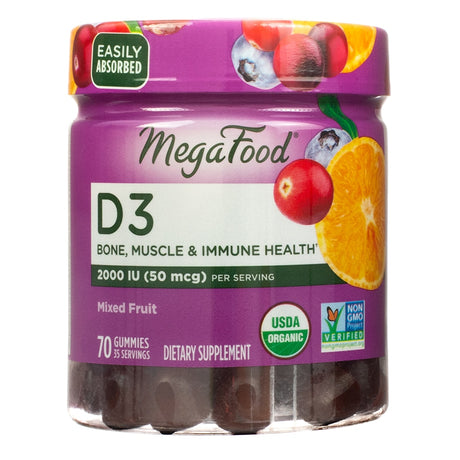
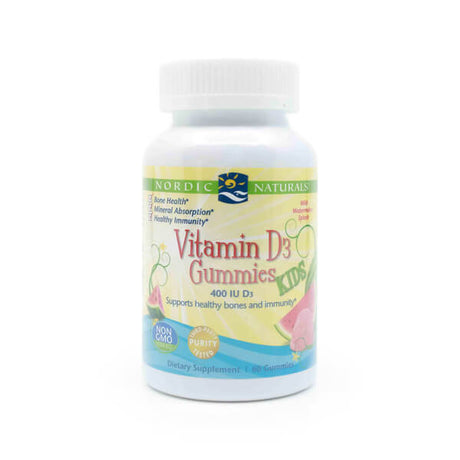
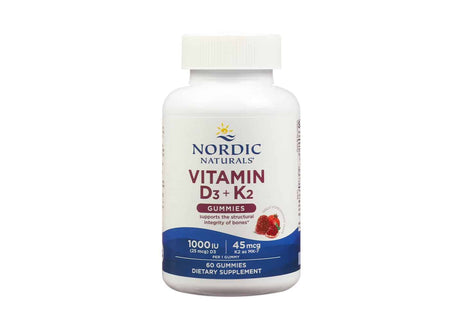
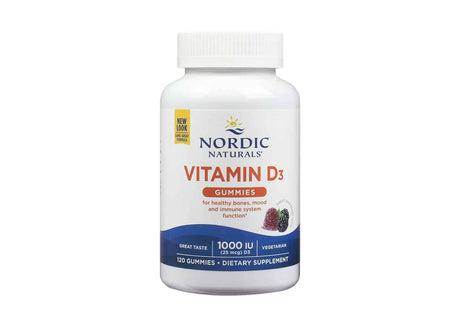
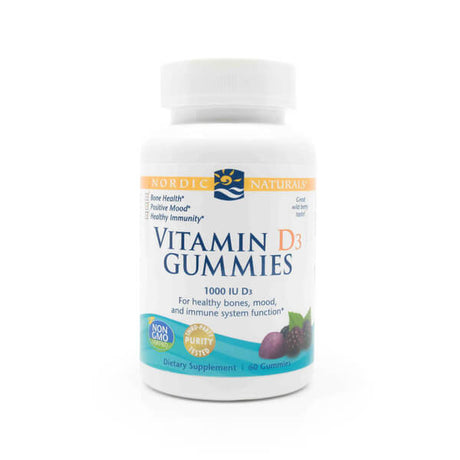
Start with format. If you hate swallowing pills, a liquid or gummy is usually the better long-term choice because you will actually take it. Pure Encapsulations Vitamin D3 Liquid and Solgar Liquid Vitamin D3 5000 IU work well for people who want flexible dosing or an easy-to-take liquid. Gummies can be a good fit for adults who want something simple, like MegaFood D3 2000 IU Gummies or Nordic Naturals Vitamin D3 Gummies.
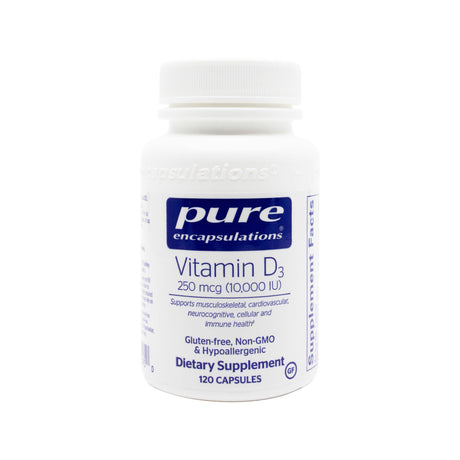
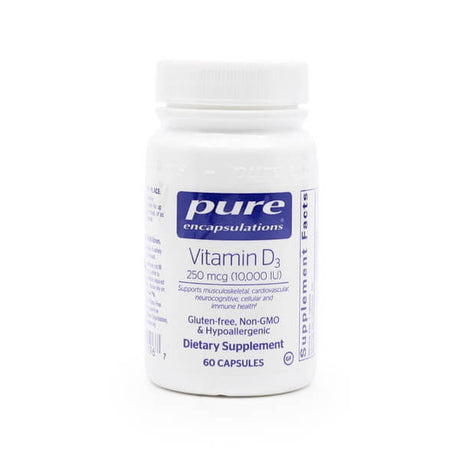
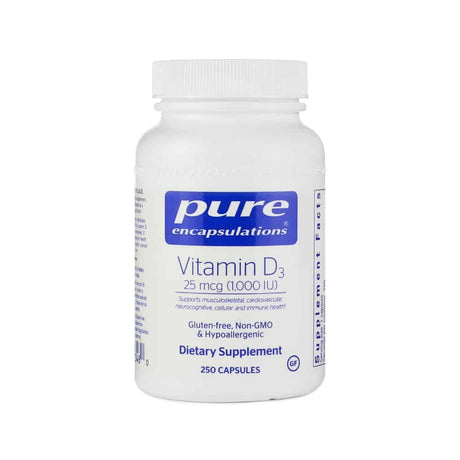
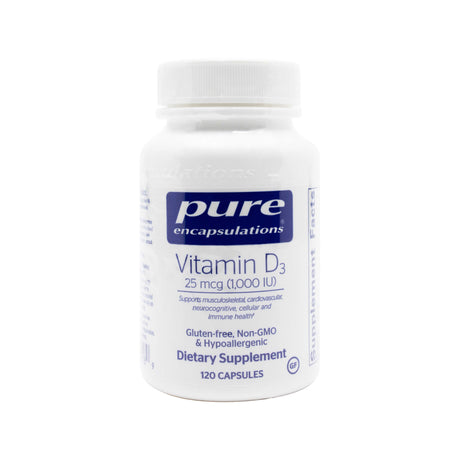
Softgels and capsules are usually the easiest option if you want fewer extras and a more traditional supplement format. Bluebonnet Vitamin D3 2000IU Softgels, Nordic Naturals Vitamin D3 1000IU Softgels, and Pure Encapsulations Vitamin D3 Capsules are all solid examples.
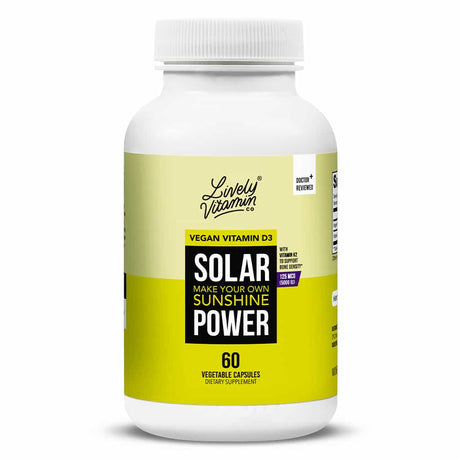
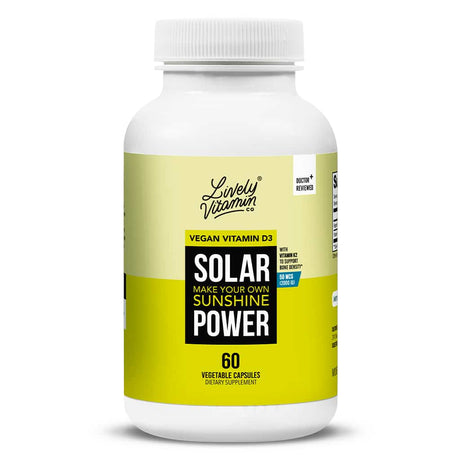
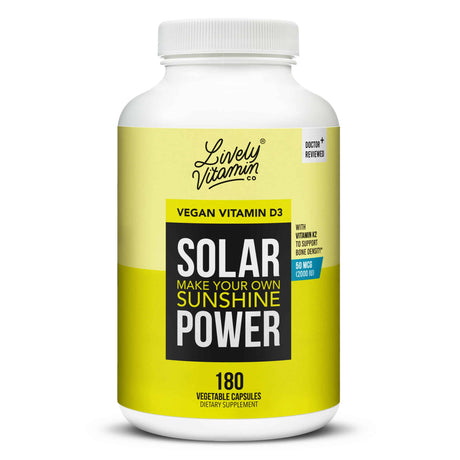
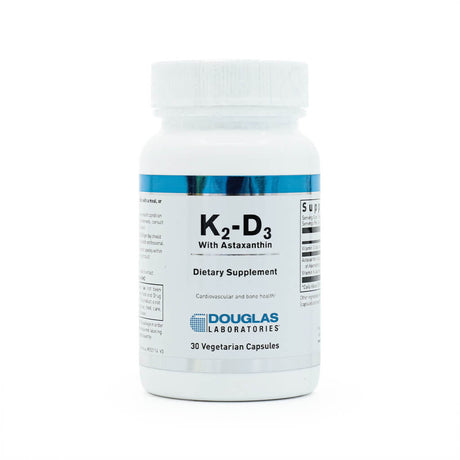
Then look at the label details that matter most. Potency per serving comes first. A 1,000 IU softgel and a 5,000 IU liquid are not interchangeable. Serving size matters too, so check whether one serving is one drop, one gummy, or two gummies. Added nutrients can matter depending on what you want. Some formulas pair D3 with K2, like Lively Vitamin Co. Solar Power Vitamin D Supplement and Nordic Naturals Vitamin D3 + K2 Gummies. That combo is popular for people specifically shopping for bone support.* And if you need vegan, hypoallergenic, gluten-free, or gelatin-free, those details help narrow the field fast.
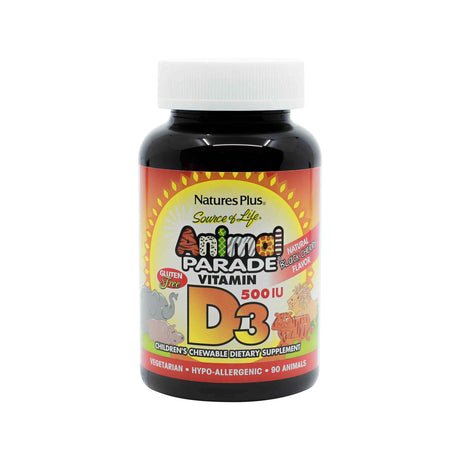
For kids, I would not just grab an adult product and guess. Children's formulas are easier to dose and easier to take. Nature's Plus Animal Parade Vitamin D3 500IU Children's Chewable and Nordic Naturals Vitamin D3 Gummies For Kids are made with children in mind.
Common mistakes we see shoppers make
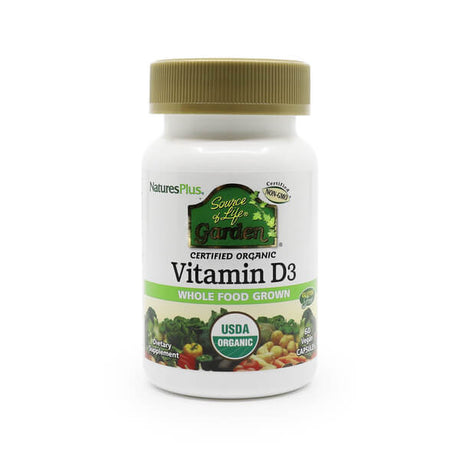
The biggest one is choosing only by brand name or by whatever has the highest number on the front. More is not automatically better. A 5,000 IU product like Solgar Liquid Vitamin D3 5000 IU or Nature's Plus Source of Life Garden Vitamin D3 5000IU Capsules may be appropriate for some adults, but it is a higher-potency choice, so it is worth slowing down and making sure it is really what you need.
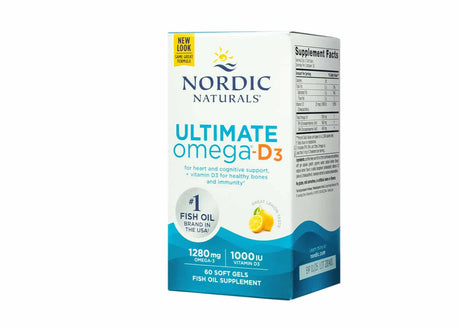
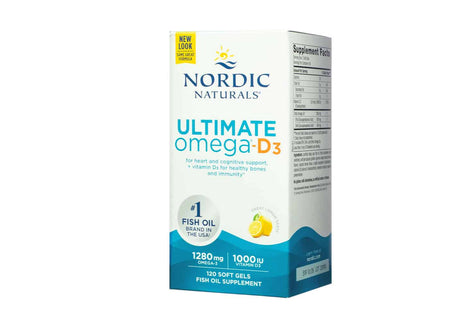
Another common mistake is ignoring format. If you dislike capsules, the "best vitamin D3 supplement" for you is probably not a capsule. It might be a gummy, chewable, or liquid that fits your routine with less friction. We also see people miss combo products that solve two goals at once. For example, Nordic Naturals Ultimate Omega D3 combines omega-3s with vitamin D3, which can be handy if you already planned to take both.
Who should check with a practitioner first
If you are considering a higher-potency vitamin D product, are shopping for a child, are pregnant or breastfeeding, or are already taking calcium, vitamin K, or multiple supplements with vitamin D, it is smart to double-check your total intake with a practitioner. The NIH Office of Dietary Supplements notes that too much vitamin D over time can be a problem, especially at high intakes. That is one reason we are careful with 5,000 IU products and why we suggest a little extra guidance before using them long term.
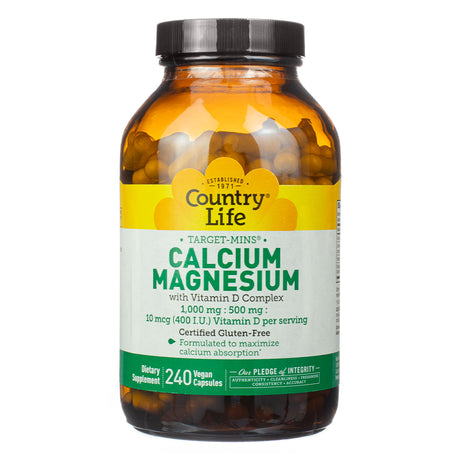
If you want help sorting through the options, you can reach our team through our contact page, or learn more about practitioner support at our experts. We also carry related formulas in our calcium supplements collection if you are building out a bone-support routine.*
We keep this collection pretty focused. You will find practitioner-trusted brands, clean-label options, kid-friendly formats, and a range of potencies instead of twenty versions that all do basically the same thing. These statements have not been evaluated by the Food and Drug Administration. These products are not intended to diagnose, treat, cure, or prevent any disease.




 Start your journey

 Contact Us