What zinc does in the body
Zinc is an essential trace mineral. Your body needs a regular supply because it doesn't make zinc and doesn't store much of it. It supports normal immune function, healthy skin, tissue repair, reproductive health, and the activity of hundreds of enzymes involved in everyday metabolism.* Low zinc intake can show up in different ways, including slower tissue recovery and changes in taste or appetite.
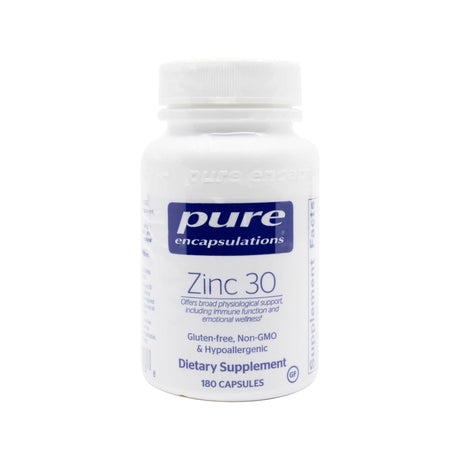
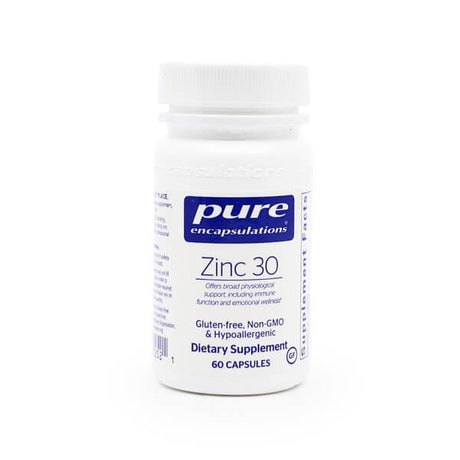
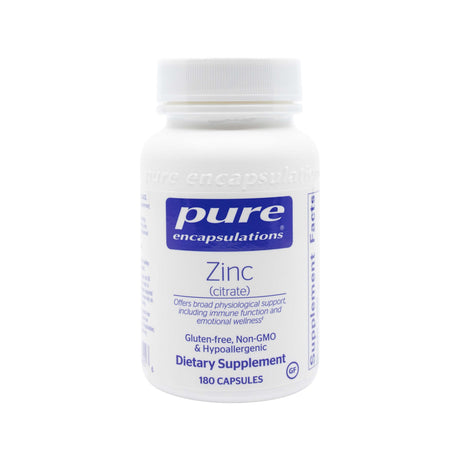
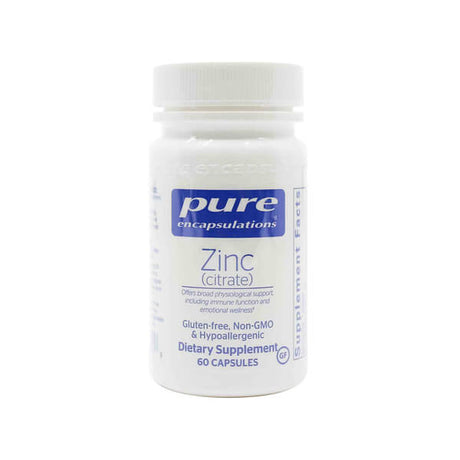
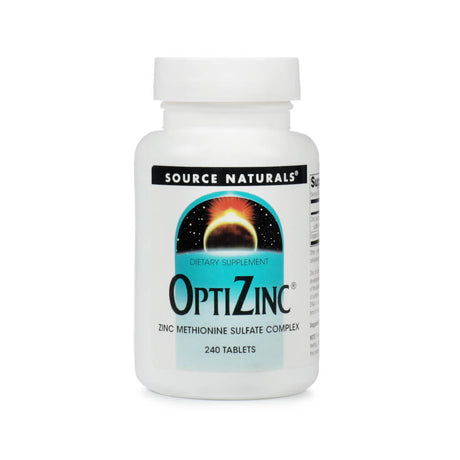
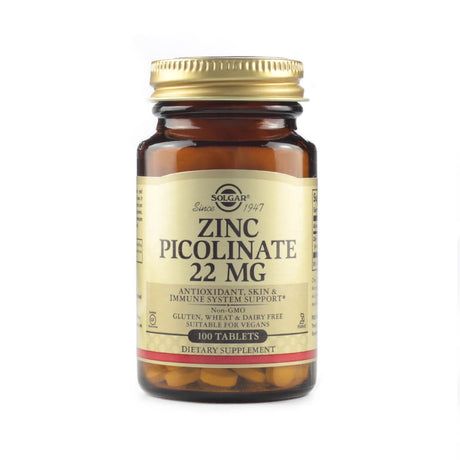
Zinc supplements come in several forms. For example, Pure Encapsulations Zinc 30 uses zinc picolinate, while Pure Encapsulations Zinc Citrate uses zinc citrate. Douglas Laboratories Opti-Zinc 30mg Capsules and Source Naturals OptiZinc Tablets use zinc monomethionine, a chelated form many shoppers look for because of absorbability. The best choice usually depends on dose, form, and the type of support you're looking for.
Who might use a zinc supplement
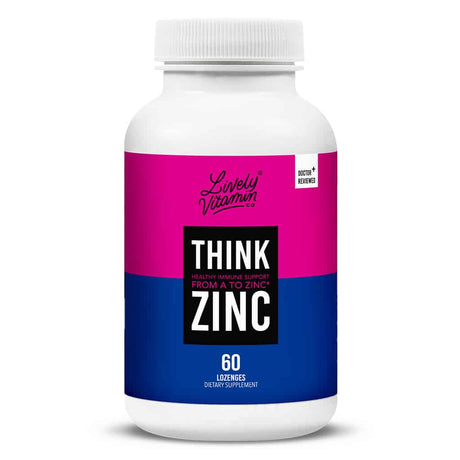
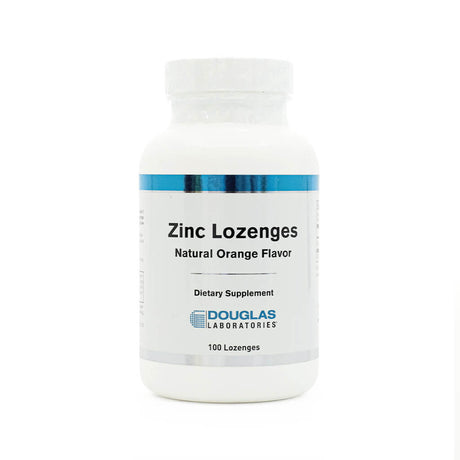
Zinc is a common pick for foundational immune support, especially during seasonal changes.* Lozenges are popular because they're easy to take when routines are off. Two examples are Douglas Laboratories Zinc Lozenges and Lively Vitamin Co. Think Zinc Lozenges, which pairs zinc with vitamin C.
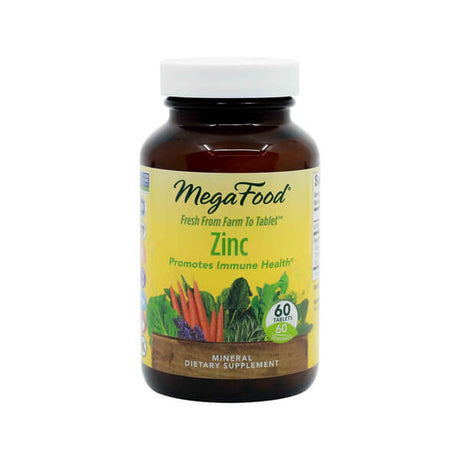
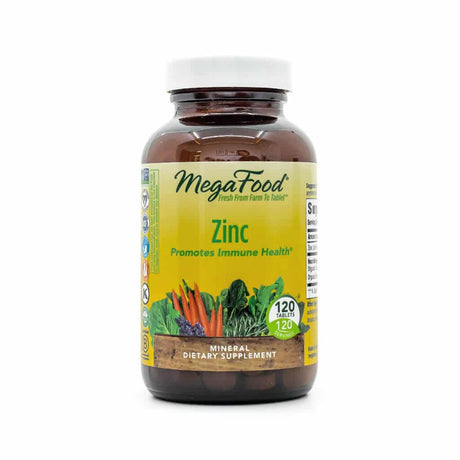
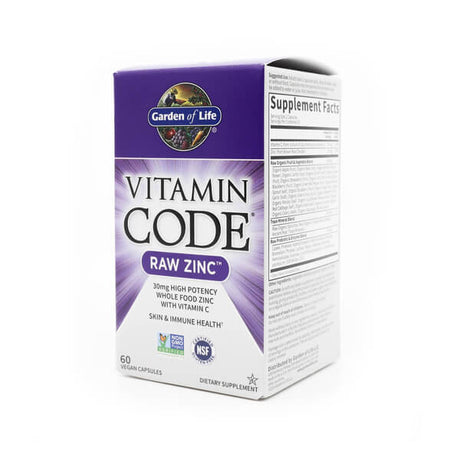
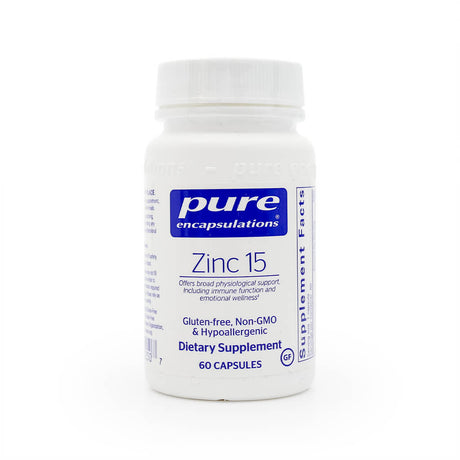
Some people use zinc for skin support, reproductive health, or general nutrient metabolism.* If you want a straightforward daily capsule, Pure Encapsulations Zinc 15 is a lower-dose option, while Pure Encapsulations Zinc 30 provides 30 mg per serving. If you prefer a whole-food approach, MegaFood Zinc and Garden of Life Vitamin Code Raw Zinc Capsules are worth considering.
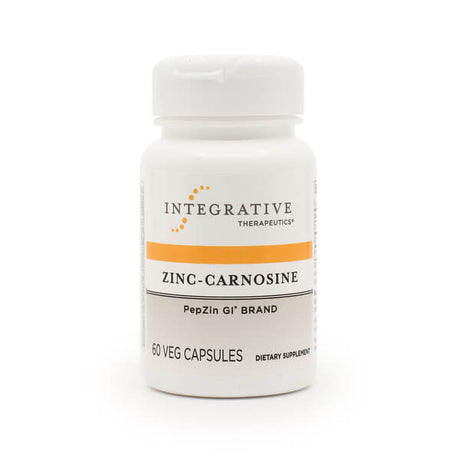
There are also more targeted formulas. Integrative Therapeutics Zinc-Carnosine Capsules is different from a basic zinc tablet. People usually choose it for support related to stomach lining integrity and digestive comfort, rather than general zinc intake.* Ancient Nutrition Zinc + Probiotics combines zinc with probiotics for people who want digestive support built into the formula.*
How to choose the best zinc supplement for your needs
Start with the form of zinc. Picolinate, citrate, and monomethionine are all common. If you've done well with picolinate before, Pure Encapsulations Zinc 30 is a straightforward option. If you want citrate, Pure Encapsulations Zinc Citrate keeps it simple. If you're specifically looking for OptiZinc or zinc monomethionine, both Douglas Laboratories Opti-Zinc 30mg and Source Naturals OptiZinc fit.
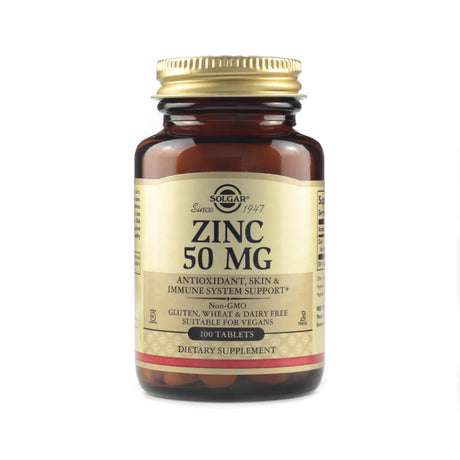
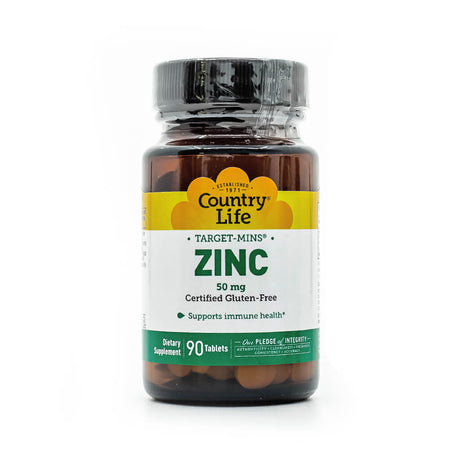
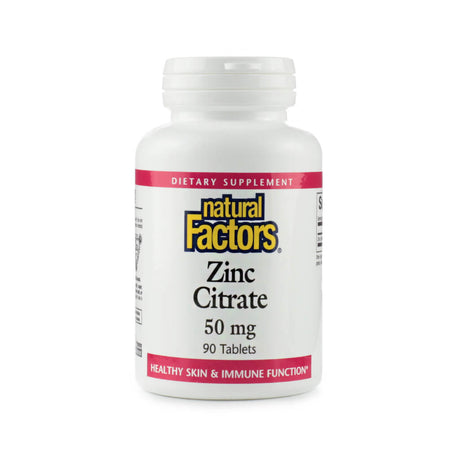
Next, compare dose. A 15 mg product like Pure Encapsulations Zinc 15 can make sense for gentle daily support. A 22.5 mg formula like MegaFood Zinc falls in the middle. A 30 mg option is common for people who want a stronger everyday supplement. Then there are 50 mg tablets like Solgar Zinc 50mg Tablets and Country Life Zinc 50mg Tablets. Those are higher-potency options and usually make more sense for short-term use unless a practitioner recommends otherwise.
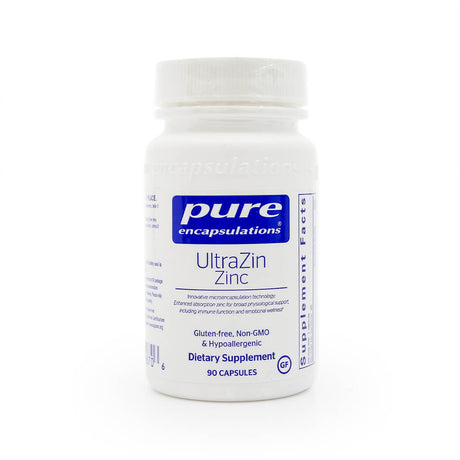
Delivery format matters too. Tablets and capsules are the standard choice for daily use. Lozenges are convenient during seasonal shifts. Whole-food formulas appeal to shoppers who want food-based ingredients. If absorption is your main concern, Pure Encapsulations UltraZin Zinc Capsules stands out because it uses microencapsulation technology designed to enhance zinc bioavailability.
Common mistakes people make with zinc
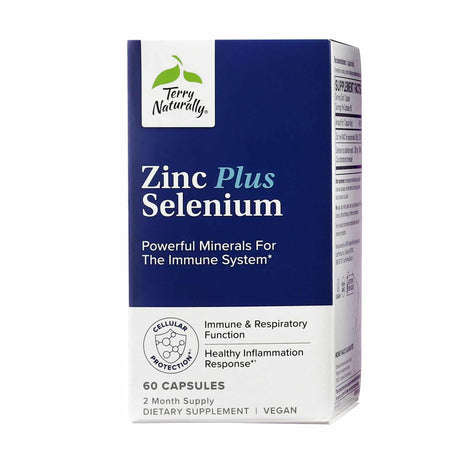
One common mistake is automatically choosing the highest dose. More isn't always better, especially for long-term use. Another is overlooking the form. A zinc lozenge, a whole-food capsule, and zinc carnosine are not interchangeable. Some people also take zinc on an empty stomach even when it bothers them. Many do better taking it with food. And it's worth checking the rest of the formula. Terry Naturally Zinc Plus Selenium adds selenium, and Lively Vitamin Co. Think Zinc Lozenges adds vitamin C, which may or may not be what you want.
If you're comparing "best zinc supplements," it helps to narrow things down by one main goal first. For basic daily support, start with a plain capsule in the 15 to 30 mg range. For seasonal immune support, a lozenge may be more practical. For digestive support, look specifically at zinc carnosine rather than a standard zinc tablet.
Who should talk to a practitioner first
Zinc is generally straightforward, but it's still worth checking in before starting if you're pregnant, nursing, taking prescription medications, using multiple mineral supplements, or planning to take higher-dose zinc for more than a short period. Long-term high zinc intake can affect copper status, which is one reason dose selection matters. If you want personalized guidance, you can reach out through our contact page or learn more about our practitioners at Our Experts.
These statements have not been evaluated by the Food and Drug Administration. These products are not intended to diagnose, treat, cure, or prevent any disease.
Quick questions we hear a lot
Is a zinc lozenge better than a capsule?
Not necessarily. Lozenges like Douglas Laboratories Zinc Lozenges are simply a different delivery format. They're popular for short-term seasonal support, while capsules and tablets are usually easier for everyday use.
What's a good starting dose?
For many adults, it makes sense to look at 15 to 30 mg products before moving to 50 mg. Pure Encapsulations Zinc 15, MegaFood Zinc, and Pure Encapsulations Zinc 30 give you a useful range to compare.
Are whole-food zinc supplements better?
They can be a good fit if you prefer food-based formulas, but they aren't automatically better for everyone. MegaFood Zinc and Garden of Life Vitamin Code Raw Zinc are good examples if that's your preference. If you're still unsure, talk with us and our team can help.




 Start your journey
 Contact Us