What mushroom supplements are really doing
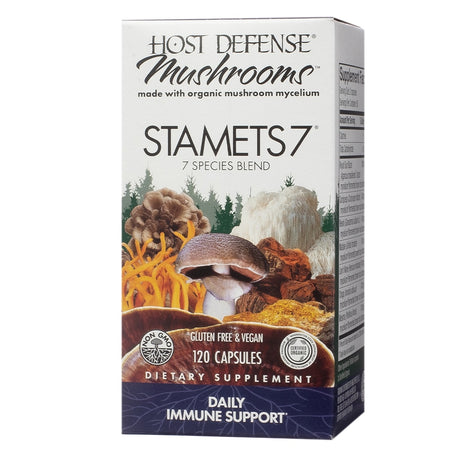
People usually choose mushroom supplements for their naturally occurring compounds, especially beta-glucans and other polysaccharides that help support healthy immune signaling. Different mushrooms are also used for different goals. Reishi is often used for stress resilience and immune balance, lion's mane is popular for focus and memory support, turkey tail is a common pick for immune and gut support, and cordyceps is often used for stamina and everyday energy.
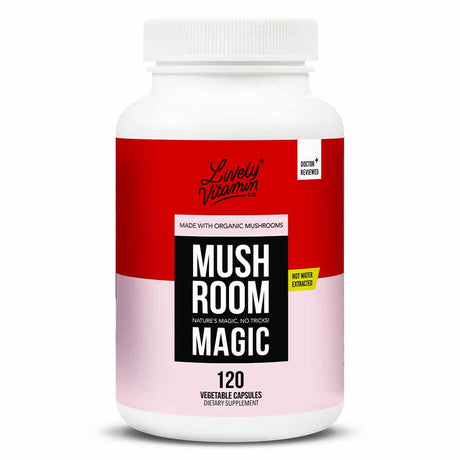
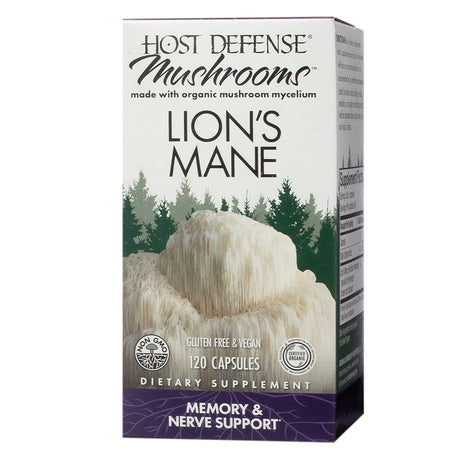
You'll find both single-mushroom formulas and blends here. If you already know what you want, a targeted product may make more sense. Host Defense Reishi Capsules is a straightforward option for reishi, while Host Defense Lion's Mane Capsules is a common choice for cognitive support. If you want broader coverage, blends like Host Defense MyCommunity Capsules or Lively Vitamin Co. Mushroom Magic Capsules combine multiple species in one formula.
Who tends to use them
Most shoppers looking at mushroom supplements are focused on one of a few goals: immune support during busy seasons, help maintaining steady energy, support for focus, or a more balanced response to everyday stress. That is why this category can feel scattered at first. The mushrooms overlap, but they are not the same.
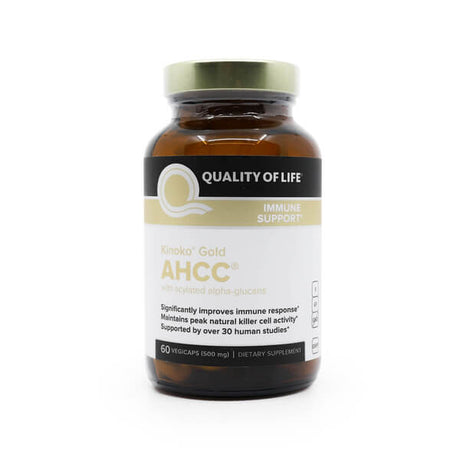
For immune-focused shopping, turkey tail, reishi, shiitake, maitake, and blended formulas are common starting points. Quality of Life Kinoko Gold AHCC Capsules stands out because AHCC is a distinctive mushroom-derived ingredient that has been studied for healthy immune cell activity. Gaia Herbs Turkey Tail Mushroom Capsules and Host Defense Turkey Tail are two products people often compare when they want turkey tail specifically.
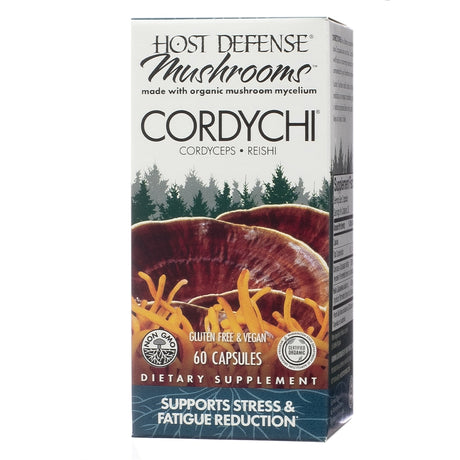
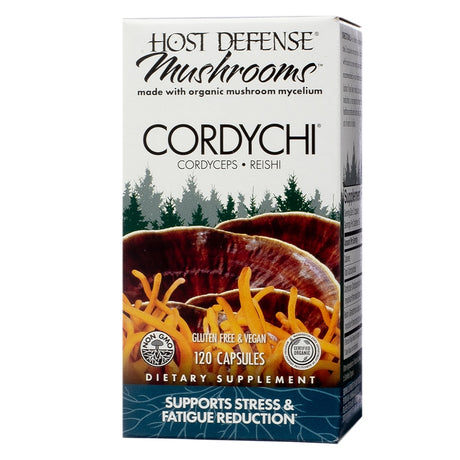
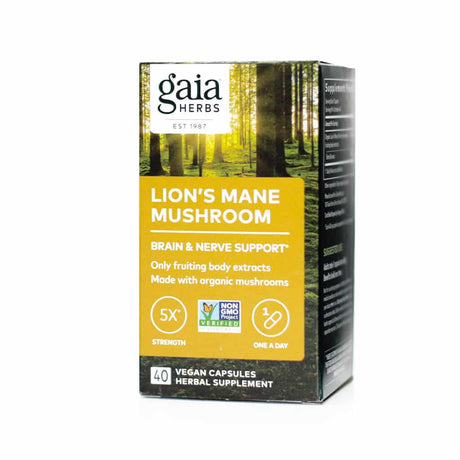
If your main goal is mental clarity, lion's mane is usually the place to start. Gaia Herbs Lion's Mane Mushroom Capsules uses a concentrated fruiting body extract and lists 2,500 mg per serving, which is the kind of detail worth checking on a label. For energy and resilience, Host Defense Mushrooms CordyChi combines cordyceps with reishi, which may be a good fit for people who want support for both stamina and stress response.
How to compare labels without getting lost
This is the part that matters most. Two mushroom supplements can sound similar and still be very different products.
- Check whether the formula uses fruiting body, mycelium, or both. Fruiting body is the actual mushroom structure above the growing medium. Mycelium is the root-like network. Some shoppers strongly prefer fruiting body extracts, while others are comfortable with mycelium-based formulas from trusted brands. In this collection, Gaia's mushroom capsules use fruiting body extract, while Host Defense commonly uses mycelium and fruitbodies together.
- Look for extracts, not just raw mushroom powder, if you want a more concentrated product. Extracts are often used to make beneficial compounds easier to access. That said, not every good formula has to look the same. A well-made powder, tablet, or capsule may still fit your routine better.
- Compare serving size carefully. One bottle may look cheaper until you notice it takes four capsules to get the full serving. Another may deliver a stronger extract in fewer capsules. If you are not going to take six capsules a day consistently, that is worth knowing up front.
- See whether the label mentions beta-glucans or other standardization details. Not every brand lists beta-glucan content, but when they do, it gives you a more useful quality marker than vague phrases like "mushroom complex."
It also helps to compare formula style. Ancient Nutrition Multi Mushroom Daily Immune Defense Tablets takes a blend approach for everyday immune support, while Solgar Reishi Shiitake Maitake Mushroom Extract Capsules focuses on a smaller set of mushrooms. Neither is automatically better. It depends on whether you want broad coverage or a more targeted formula.
Common buying mistakes we see
The biggest one is choosing by mushroom name alone and ignoring the rest of the label. "Lion's mane" can mean a simple powder, a concentrated extract, a fruiting body formula, or a blend where lion's mane is only one small part. Another common mistake is assuming more mushrooms always means a stronger product. Sometimes a focused formula is easier to evaluate and easier to stick with.
We also see people skip the directions. Mushrooms are usually taken daily, not just once in a while, and some labels suggest taking them with food while others allow flexible use. Follow the bottle directions, and give the product enough time to judge how it fits your routine. If you want to browse other immune support options alongside mushrooms, our immune support collection is a helpful next stop.
Safety notes and who should check in first
Mushroom supplements are generally well tolerated, but "natural" does not mean risk-free. Read the label directions and do not exceed the suggested serving unless your practitioner tells you otherwise. Mild digestive upset can happen, especially when starting a new formula or taking a larger serving than your body is used to. If a product makes you feel off, stop using it and review the ingredients.
If you are pregnant, breastfeeding, preparing for surgery, taking immunomodulating medications, using blood thinners, or have a known mushroom allergy, talk with a qualified healthcare professional before adding a mushroom supplement. If you'd like more individualized guidance, you can reach out through our contact page or learn about our practitioners at Our Experts.
These statements have not been evaluated by the Food and Drug Administration. These products are not intended to diagnose, treat, cure, or prevent any disease.


 Start your journey
 Contact Us