What pet supplements are meant to support
Pet health products are usually used to fill nutritional gaps or support a specific body system. In this collection, that mostly means calming support, joint and mobility support, digestive support, skin and coat support, and omega-3 nutrition. Some are daily basics. Others are better for occasional use, like travel, fireworks, or other stressful situations.
You'll see liquids, chews, tablets, softgels, and topicals here. Format matters. Oils are often easiest for small pets, seniors, or picky eaters because you can mix them into food and adjust the serving by body weight. Chews are simpler if your dog already takes supplements like treats. For bath time, something like A Wild Soap Bar Woof Wild Dog Shampoo Bar gives you a non-supplement option for coat and skin support.
How to choose by your pet's main need
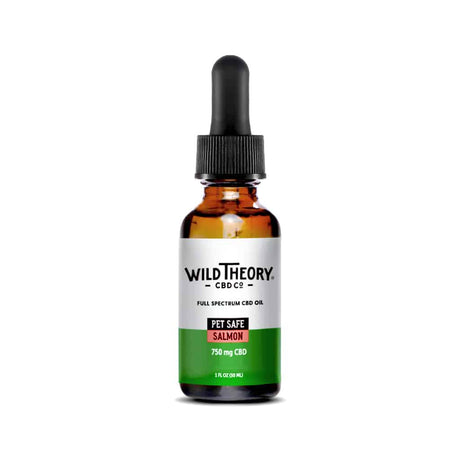
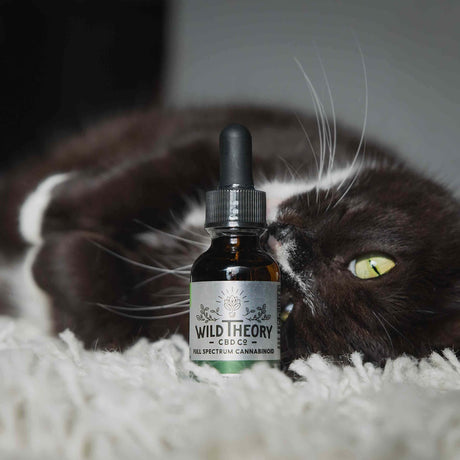
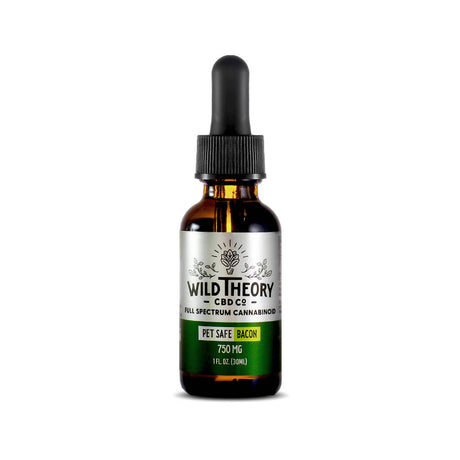
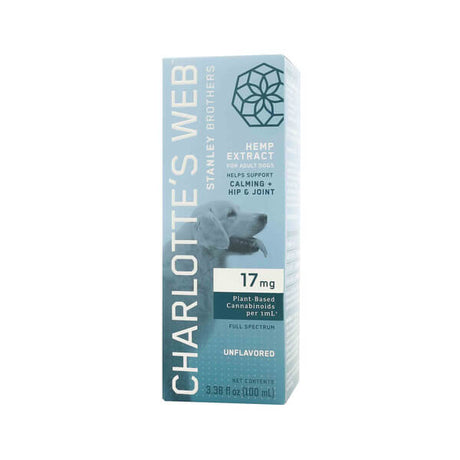
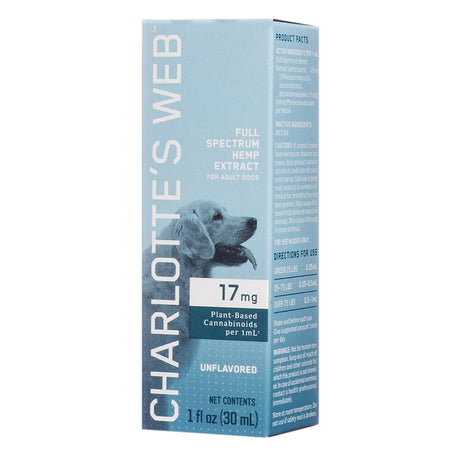
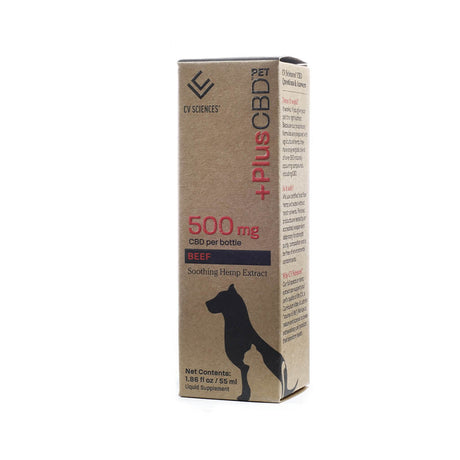
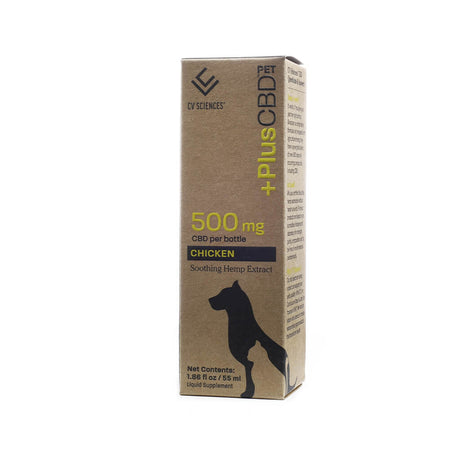
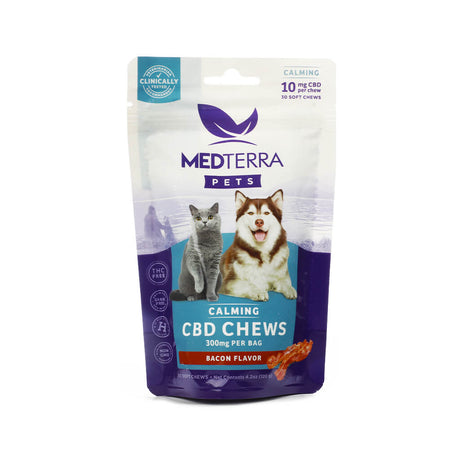
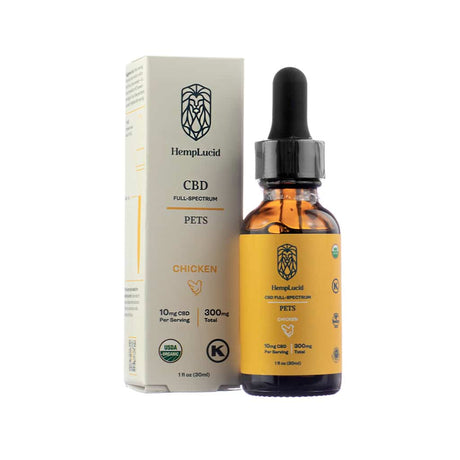
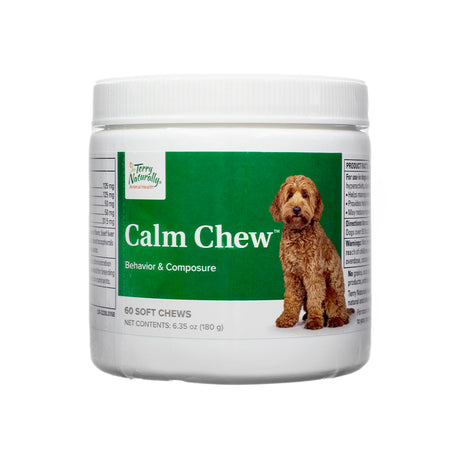
For everyday calm behavior support, CBD is one of the categories people ask about most. We carry a few different options. Charlotte's Web Pet 17mg Unflavored gives 17 mg of full spectrum hemp extract per serving and is made for dogs. Wild Theory Full Spectrum CBD Oil for Pets - 750mg is another liquid option for pets, while +PlusCBD Pet 500mg is made for dogs and cats. If you want a chew instead of a liquid, Medterra Pets CBD Calming Pet Chews combines broad-spectrum CBD with calming botanicals for occasional stress support. Liquids usually make more sense if you need flexible serving sizes. Chews are easier if your pet already takes treats well.
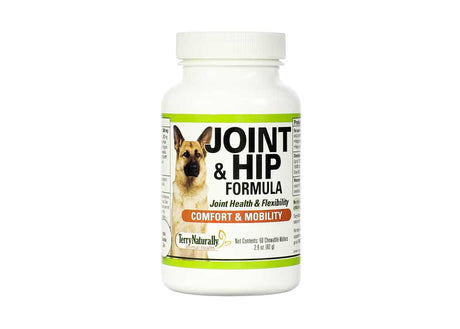
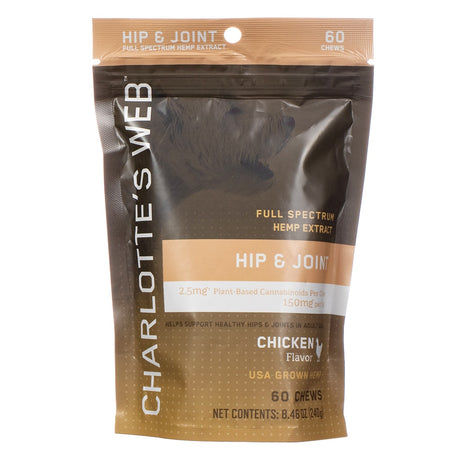
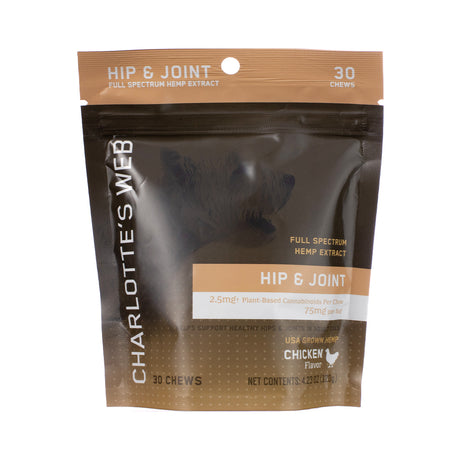
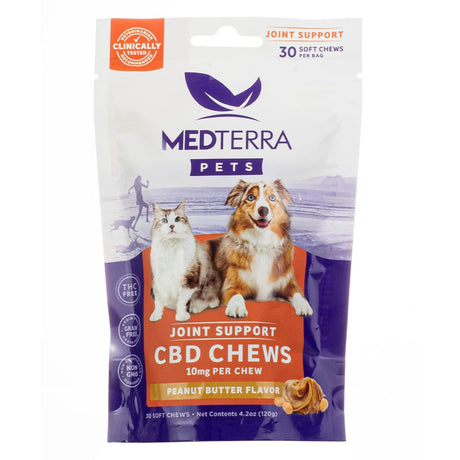
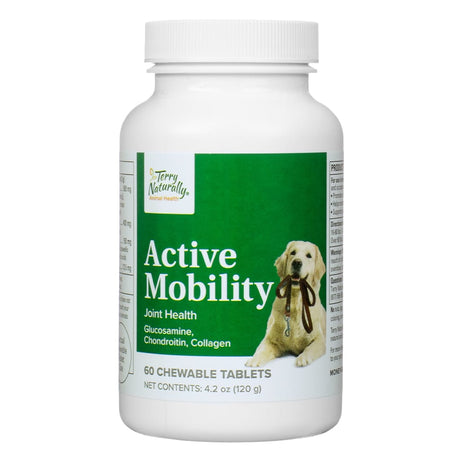
For joints and mobility, look for ingredients that support a healthy inflammatory response and comfortable movement. Terry Naturally Animal Health Joint and Hip Formula Chewable Wafers uses curcumin and boswellia for joint comfort and mobility support. Charlotte's Web Hip and Joint Chews for Dogs is another dog-specific option for flexibility and everyday movement. If your pet is slowing down with age, this is usually one of the first places to look.
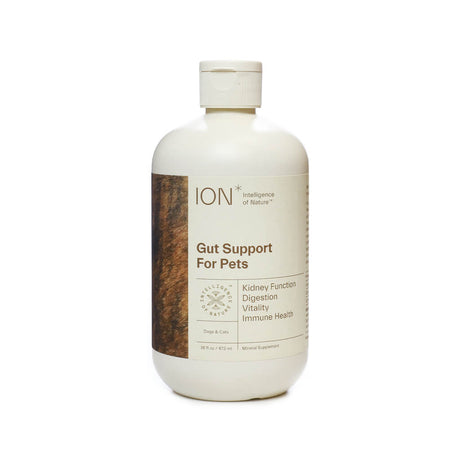
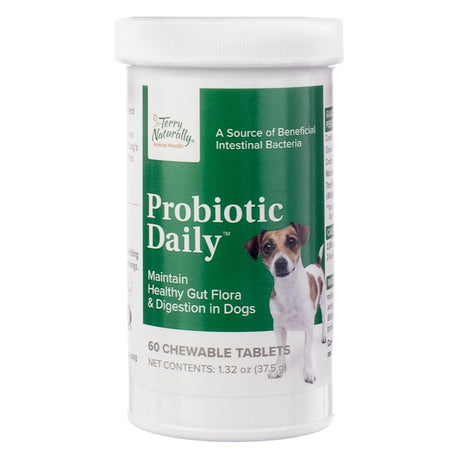
For digestion, probiotics and gut-support liquids can be a better fit than general wellness blends. Terry Naturally Animal Health Probiotic Daily Chewable Tablets is a chewable option for dogs that supports healthy digestion and normal stool quality. Probiotic labels often list CFU, or colony-forming units. In pet products, you'll commonly see ranges from around 1 to 5 billion CFU per serving, sometimes higher. That number tells you how many live organisms are included, but strain choice and storage matter too. If your pet is sensitive and you want something broader than a probiotic alone, ION Gut Health for Pets is a liquid that supports the digestive system and healthy microbiome.
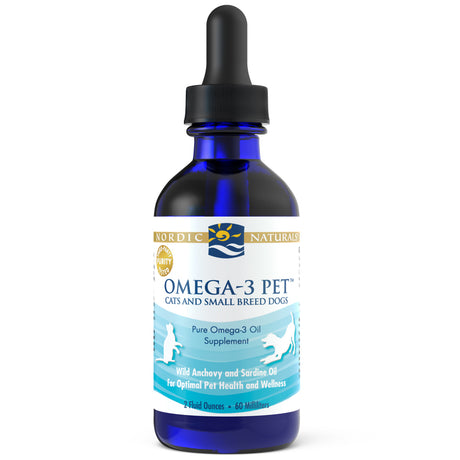
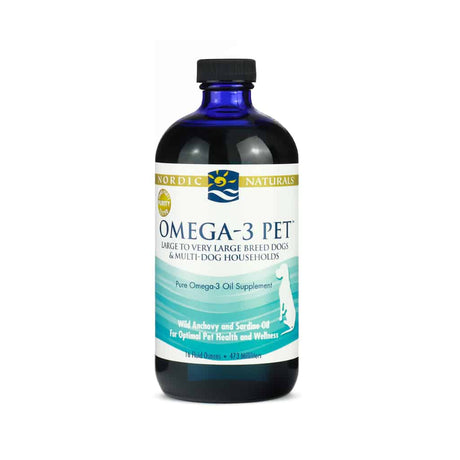
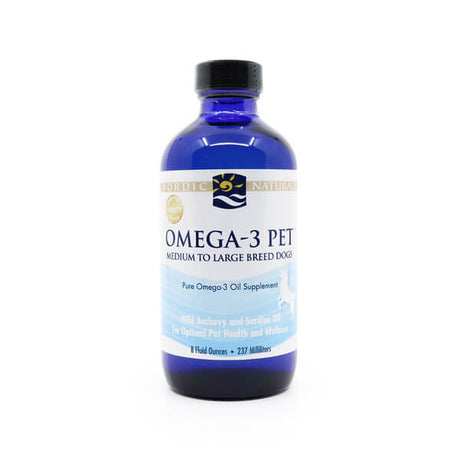
For skin, coat, brain, and eye support, omega-3s are worth considering. Nordic Naturals Omega-3 Pet is formulated for dogs and cats, while Terry Naturally Animal Health Omega SkinCare Liquid focuses more directly on skin and coat support for dogs. Fish oil labels usually highlight EPA and DHA. Those are the two omega-3s most people are looking for because they help support skin moisture, coat quality, and normal brain and eye function. Higher EPA and DHA amounts generally mean more concentrated omega support, so you can often use a smaller serving.
What to compare before you pick one
First, check species. Some products here are dog-only, like Charlotte's Web Pet 17mg Unflavored and Terry Naturally's dog formulas. Others are made for both dogs and cats, like Nordic Naturals Omega-3 Pet, +PlusCBD Pet 500mg, and Medterra Pets CBD Calming Pet Chews. It sounds obvious, but it's an easy mistake to make.
Next, compare format and serving flexibility. If your pet is tiny, elderly, or suspicious of anything chewable, a liquid is usually easier. You can start low, follow the label by weight, and mix it into wet food. Chews and wafers are simpler for medium and large dogs that happily eat anything handed to them. Softgels can work well too, but they're not always the best fit for picky pets.
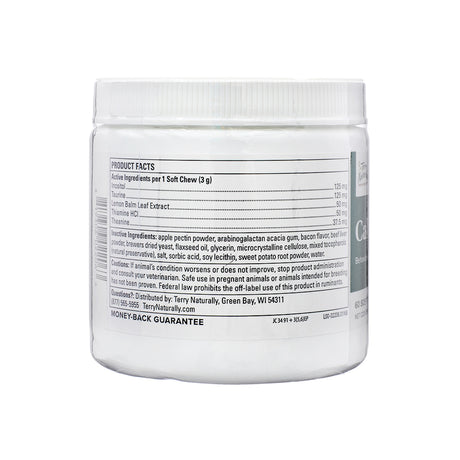
Then look at the actual active amount. For CBD, don't just compare bottle size. Compare mg per serving and the serving chart by body weight. A 500 mg or 750 mg bottle may sound strong, but what matters day to day is how much your pet gets in each serving. For fish oil, look for EPA and DHA, not just "fish oil" on the front label. For probiotics, look for the CFU count and whether the product is intended for daily use.
Common mistakes we see
- People choose by flavor or price first, then realize the product isn't made for their pet's species or size.
- They use the same serving for every pet in the house instead of following the label directions by body weight.
- They expect fast changes from skin, coat, or joint products. Those usually need steady daily use for a while.
- They pick a chew for a pet that really only accepts liquids mixed into food.
One practical note on CBD, because this comes up a lot in our stores around Madison. More is not always better. Start with the labeled serving for your pet's weight, especially with hemp extracts, and give it time before changing the amount. If your pet is very small, very old, or already on medications, we'd be extra cautious and get your veterinarian involved first.
Who should check with a veterinarian first
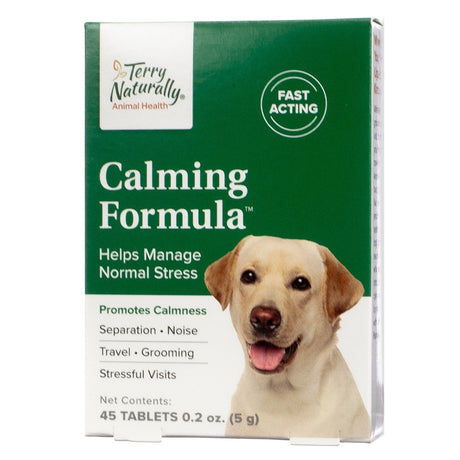
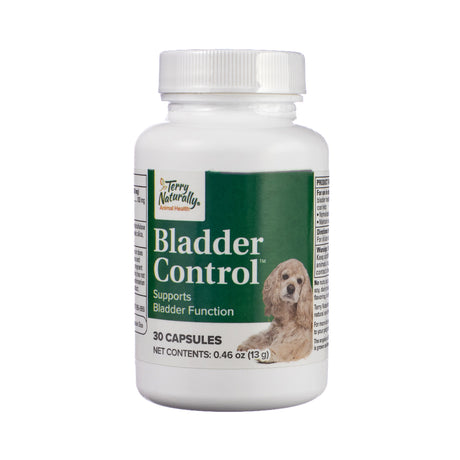
Talk with your veterinarian before using pet supplements if your dog or cat is pregnant, nursing, very young, elderly, scheduled for surgery, or taking prescription medications. That's especially important for CBD products, calming formulas, bladder support products, and anything used daily for a long stretch. If your pet has ongoing digestive issues, major appetite changes, mobility decline, or skin irritation that keeps coming back, a vet check is the right first step before layering in supplements.
These statements have not been evaluated by the Food and Drug Administration. These products are not intended to diagnose, treat, cure, or prevent any disease.
If you want help narrowing it down, reach out through our contact page or learn more about our practitioner team at Our Experts.




 Start your journey
 Contact Us