What products may support blemish-prone skin
Blemish-prone skin does not always look the same. For some people, it means the occasional breakout. For others, skin feels oily by afternoon, looks uneven after a blemish fades, or gets dry and tight from products that are too strong. A good routine usually comes back to balance. The aim is to keep skin clean, comfortable, and supported without stripping away too much moisture.
In this collection, you'll find both topical products and internal skin support. Topicals work on the surface. A cleanser can help remove makeup, sunscreen, and excess oil. A spot formula can help with areas that need extra attention. Serums and creams can support skin texture, hydration, and the look of tone and clarity. Internal support products work differently by helping support healthy skin from within and supporting the body's normal inflammatory response and natural detoxification processes.
If you're putting together a simple routine, start with the basics. Cleanse gently, use a targeted product only where needed, and make sure your skin still feels comfortable afterward. Skin that feels overly dry, stingy, or tight usually responds better to a gentler approach.
How the products in this collection fit into a routine
Qet Botanicals Balancing Cleansing Oil with Thyme is a cleanser option for skin that feels oily and dry at the same time. Oil cleansing can sound counterintuitive, but a well-made cleansing oil can lift away excess oil, makeup, and daily buildup without leaving skin squeaky or stripped. If foaming cleansers leave your face feeling tight, this may be a better fit.
For targeted care, Mad Hippie Blemish Cream and Qet Botanicals Spot Serum serve a similar purpose with different textures. The Mad Hippie formula is a cream, so it may work well for people who want spot care that still feels gentle and not overly drying. The Qet Botanicals option is a serum, which some people prefer for precise application on small areas.
If your focus is more on the look of post-blemish marks, uneven tone, or rough texture, serums may make sense. Mad Hippie Vitamin C Serum is centered on antioxidant support and brightness, while Mad Hippie Super A Serum is a vitamin A serum aimed more at texture and visible skin renewal. These are usually better once your routine is already stable, rather than when skin is actively irritated.
There is also a richer moisturizer in the collection, Montana Emu Ranch Rejuvenation Cream. People sometimes skip moisturizer because they worry about feeling greasy, but dehydrated skin can be harder to keep balanced. A cream like this may be worth considering if your skin feels rough, dry, or stressed from over-cleansing.
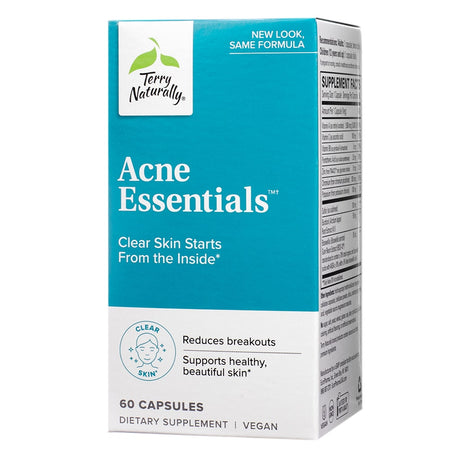
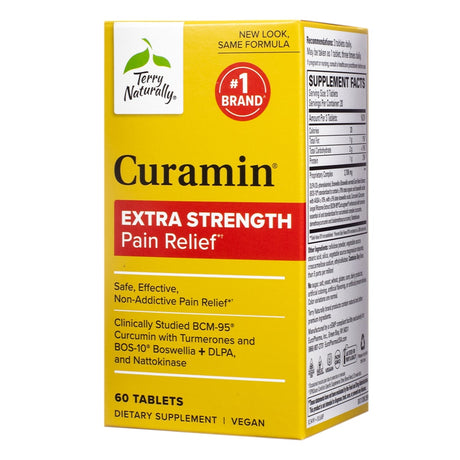
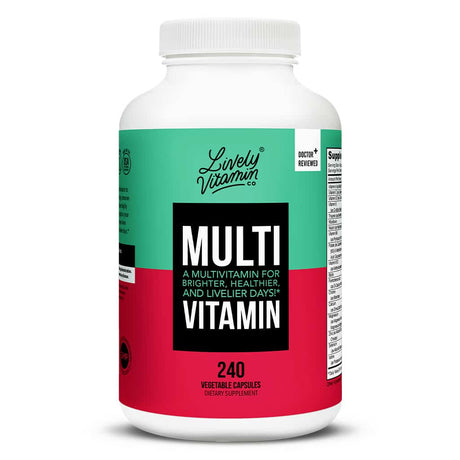
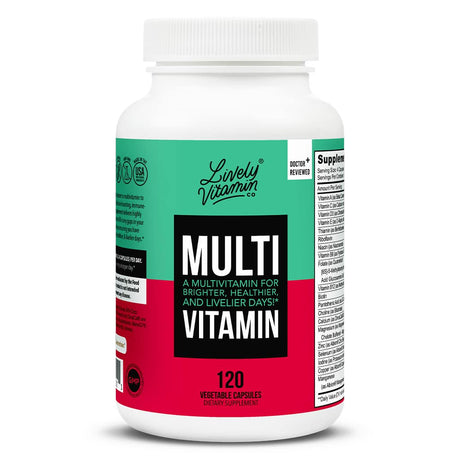
For internal support, this collection includes a capsule formula designed to promote healthy-looking skin and support the body's healthy inflammatory response. Some people prefer to pair topical care with a skin-support supplement instead of relying on surface products alone.
How to choose the right option for your skin
Think about your usual pattern, not just your worst day. If your skin mostly feels congested and shiny by evening, start with cleansing and spot care. If it feels dry, flaky, and reactive after strong products, focus on barrier-friendly cleansing and moisture first. If your main concern is leftover uneven tone or texture, a vitamin C or vitamin A serum may make more sense than another spot treatment.
Texture matters more than people expect. Creams tend to feel more cushioning. Serums are often lighter and easier to layer. Cleansing oils can be especially helpful for people who wear makeup or sunscreen every day and want a thorough cleanse that still feels gentle.
It also helps to add one product at a time. If you start a cleanser, a spot treatment, and a strong serum in the same week, it becomes hard to tell what your skin responds to. A steady routine with two products that work is usually better than a shelf full of formulas that leave skin overwhelmed.
Common mistakes we see in clear-skin routines
The biggest mistake is going too hard, too fast. A lot of people assume that if a little exfoliation or spot care is good, more must be better. Usually that backfires. Skin can end up looking redder, feeling tighter, and becoming harder to keep comfortable.
Another common issue is using targeted products while skipping hydration. Even blemish-prone skin needs moisture support. A balanced routine often looks simpler than people expect: gentle cleansing, selective spot care, and enough hydration to keep the skin barrier feeling calm and intact.
We also see people try every trend ingredient at once. Vitamin C, vitamin A, exfoliating acids, and herbal spot formulas can all have a place, but not always at the same time. Simpler routines are often easier to stick with and easier on the skin.
Who should talk with a practitioner first
If your skin is very reactive, if you're pregnant or nursing, or if you're already using prescription skin products, it's smart to check in with a qualified practitioner before adding new formulas, especially vitamin A products or internal supplements. The same goes for anyone with known ingredient sensitivities.
If you'd like more personal guidance, you can reach out through our contact page or learn more about our team at Our Experts. These statements have not been evaluated by the Food and Drug Administration. These products are not intended to diagnose, treat, cure, or prevent any disease.


 Start your journey