What an adult multivitamin is actually meant to do
A multivitamin is not a replacement for food, and it is not meant to do everything. The job is more basic. It helps cover nutrient gaps that can come up when your diet is inconsistent, your appetite changes, your schedule is packed, or you avoid certain foods. A daily multivitamin can support energy metabolism, immune function, bone health, and normal nervous system function by supplying vitamins and minerals your body uses every day.*
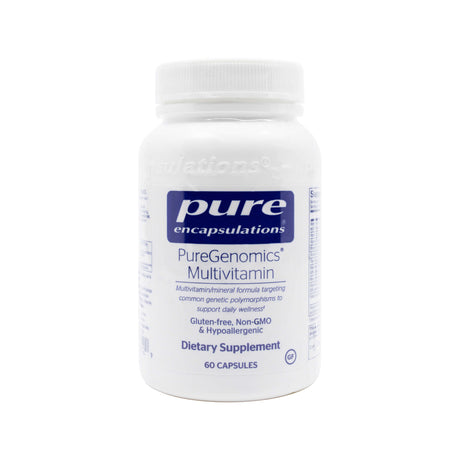
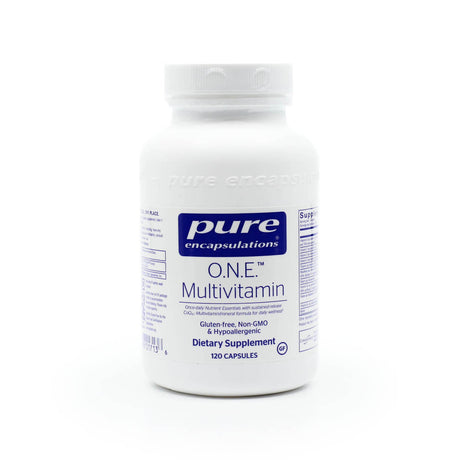
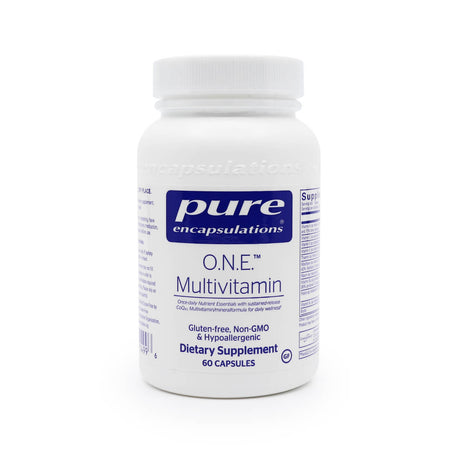
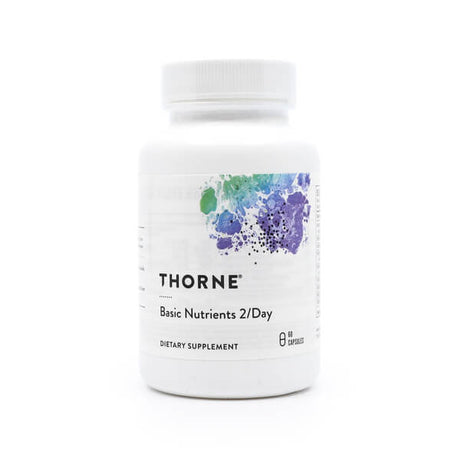
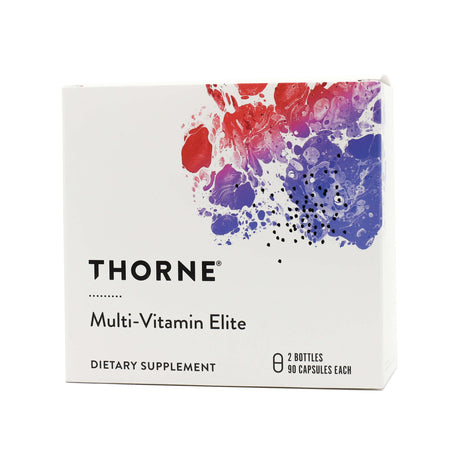
That is where the details matter. Some formulas are built around convenience, like Thorne Research Basic Nutrients 2/Day Capsules or Pure Encapsulations O.N.E Multivitamin, which keep the pill count low. Others put more emphasis on gentleness and absorbability, like Pure Encapsulations PureGenomics Multivitamin Capsules, which is described as easy on sensitive stomachs and designed with absorbable nutrient forms in mind.
Who might benefit from a daily multivitamin
Multivitamins usually make sense when someone wants broad foundational support instead of one targeted nutrient. They can be a practical fit for adults who skip meals, eat a limited diet, travel often, train hard, feel like their routine is inconsistent, or just want a simple nutritional backstop.*
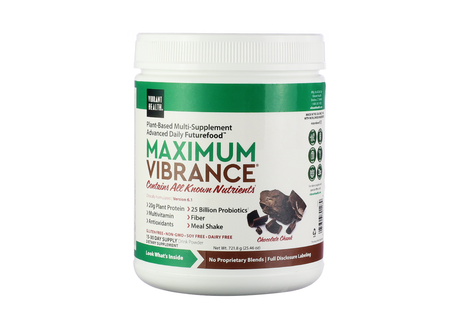
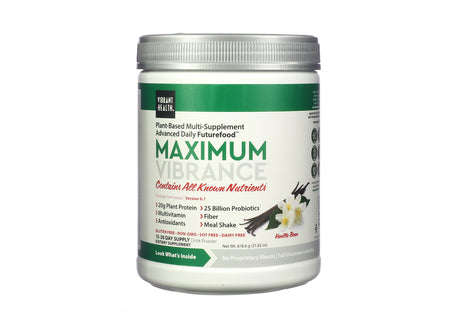
Some people already know they do better with certain formats. If swallowing capsules is a problem, Natures Plus Source of Life Gold Chewable Multivitamin gives you a chewable option, and NaturesPlus Source of Life Gold Liquid Multivitamin comes in a liquid format. If you want your multivitamin in a powder you can mix into a shake, Vibrant Health Maximum Vibrance is a different kind of product, more of an all-in-one powder than a standard tablet.
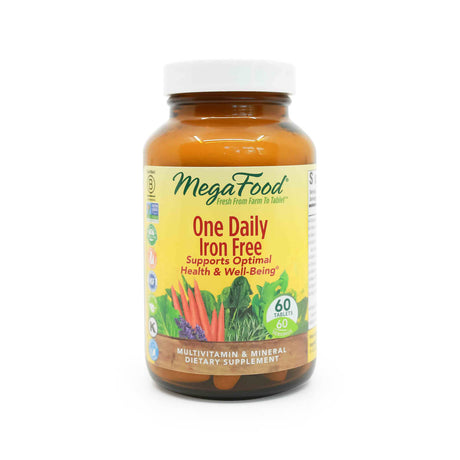
Iron is another major sorting point. Not every adult needs iron in a multivitamin, and some people specifically want to avoid it. In this collection, MegaFood One Daily Iron Free Tablets and Solgar Formula Iron Free VM-75 Tablets are examples of iron-free options.
How to choose the right multivitamin for you
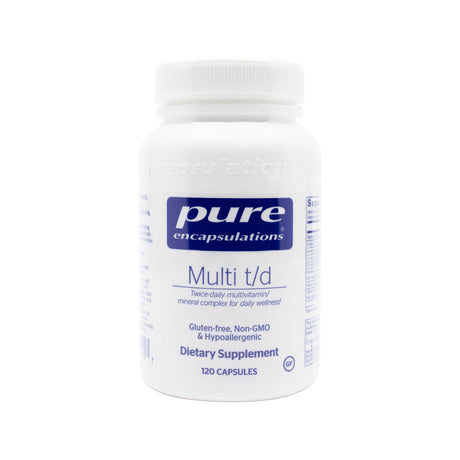
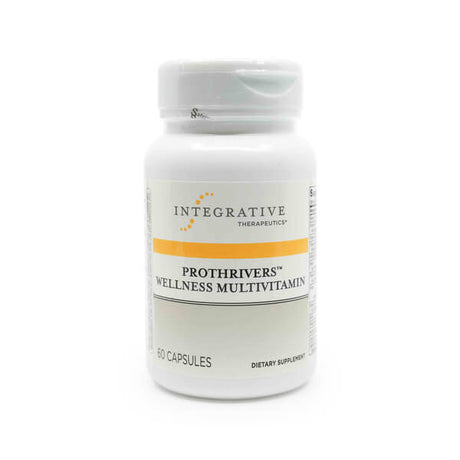
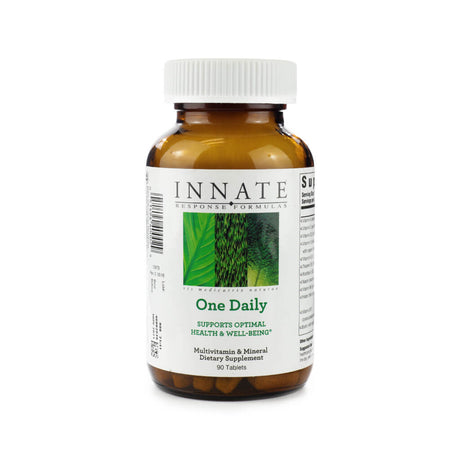
Start with the format you will actually take consistently. It sounds obvious, but people skip this step all the time. If you hate large tablets, a formula that looks better on paper but stays in the bottle is not better for you. Capsules like Pure Encapsulations Multi T/D Capsules or Integrative Therapeutics ProThrivers Wellness Multivitamin Capsules may feel easier than pressed tablets. If you want one tablet daily, MegaFood One Daily Multivitamin and Innate Response Formulas One Daily Tablets fit that style.
Next, look at nutrient forms and overall formula style. Some multivitamins use bioavailable or active forms of nutrients. Shoppers often compare products like Thorne Basic Nutrients 2/Day, Pure Encapsulations O.N.E, and PureGenomics because they want a more practitioner-oriented formula with well-absorbed vitamins and minerals. If you have a sensitive stomach, that can matter even more.
Then check whether the formula includes or excludes anything important to you. Integrative Therapeutics ProThrivers Wellness Multivitamin is notable because it leaves out beta-carotene, alpha-tocopherol, copper, and boron. MegaFood One Daily Iron Free and Solgar VM-75 are useful if iron-free is your priority. If you prefer food-based positioning, MegaFood One Daily emphasizes FoodState vitamins and minerals.
Finally, compare serving size. A one-a-day works well for convenience. A two-per-day formula may offer more flexibility in how nutrients are delivered. The better choice is usually the one you can stick with for months, not the one that only sounds good for a week.
Common mistakes people make with multivitamins
- Picking by label hype instead of the supplement facts. A flashy front label does not tell you whether the formula has the forms or amounts you want.
- Ignoring iron content. Some adults want iron, some do better without it, and that choice should be intentional.
- Choosing a format they dislike. Gummies, chewables, liquids, powders, capsules, and tablets all have a place.
- Stacking multiple products without checking overlap. If your multivitamin already contains vitamin D, zinc, selenium, or B vitamins, adding separate products can push intake higher than you realize.
If you are building a broader routine, it is smart to compare your multivitamin with any single nutrients you already take. You can also browse our vitamins collection if you are trying to decide between a multivitamin and a more targeted product.
Who should talk with a practitioner before starting
Please check with a qualified healthcare professional first if you are pregnant, trying to conceive, breastfeeding, taking prescription medications, managing a medical condition, or using several supplements at once. This matters even with a basic daily multivitamin, because nutrients like vitamin K, iron, iodine, and vitamin A may not be right for every person or every situation.
If you want a second opinion, you can reach out through our contact page or learn more about our practitioner team at Our Experts. These statements have not been evaluated by the Food and Drug Administration. These products are not intended to diagnose, treat, cure, or prevent any disease.
Quick questions we hear a lot
Should I take a multivitamin with food?
Usually, yes. Many people find multivitamins easier on the stomach when taken with a meal, especially formulas that contain minerals or fat-soluble vitamins.
Is a one-a-day multivitamin enough?
For many adults, a one-a-day can be a practical foundation. If you want broader coverage or different nutrient forms, a two-capsule formula like Thorne Basic Nutrients 2/Day may be worth a look.
Are liquid or chewable multivitamins better than capsules?
Not automatically. The best choice is the one you tolerate well and take consistently. Liquids and chewables can work well for people who dislike pills, while capsules are often the easiest option for those who want a simple routine.
If you're still unsure, chat with us and our team can help you compare options.




 Start your journey
 Contact Us