What eye health supplements are designed to support
Most eye health supplements focus on a few areas. Some are made for eye moisture and healthy tear production.* Others provide antioxidant support for tissues exposed to light every day, including the macula and retina.* Some are used to fill nutrient gaps with vitamins and carotenoids the eyes use regularly, such as vitamin A, lutein, zeaxanthin, and omega fats.*
The right formula depends on what you want it to do. If your eyes tend to feel tired, gritty, or less comfortable after long screen days or contact lens wear, an omega-based formula may be a better fit than a carotenoid-only product. If you're looking for daily visual wellness and antioxidant support, lutein, zeaxanthin, bilberry, or mixed antioxidant formulas are common places to start.*
How the products in this collection differ
There are a few main categories here, and knowing which is which makes it easier to compare products.
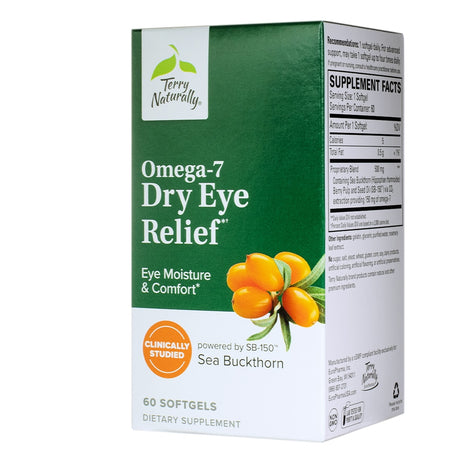
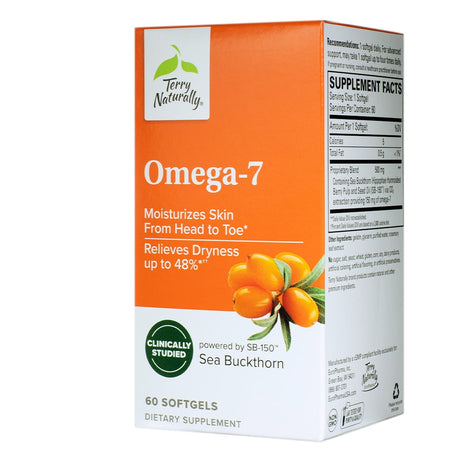
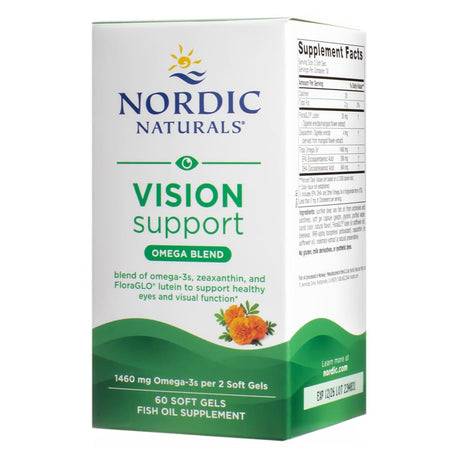
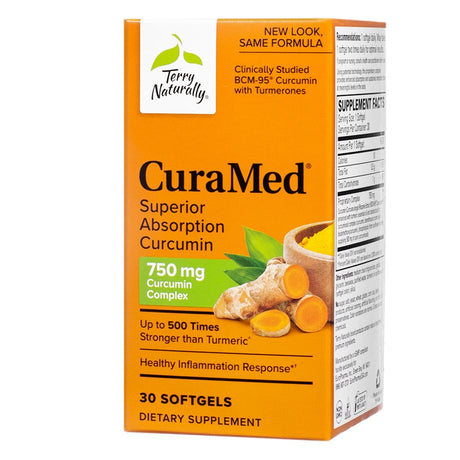
For moisture support, Pure Encapsulations VisionPro Softgel Capsules stands out because it uses fish oil plus borage oil, with EPA, DHA, and GLA to support healthy tear film composition and natural tear production.* Nordic Naturals Vision Support Softgels also centers on omega support, with added ingredients for moisture and everyday visual comfort during screen use.* We also carry an omega-7 moisture-support formula from Terry Naturally for people who want sea buckthorn as the main focus.
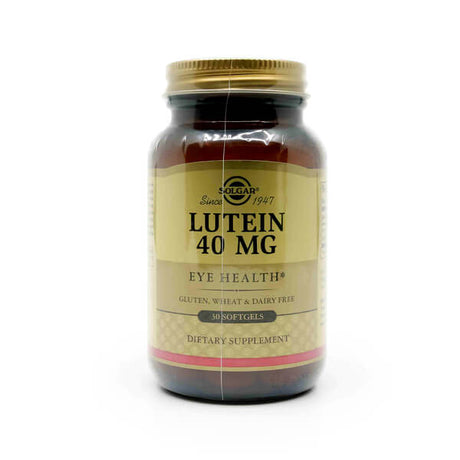
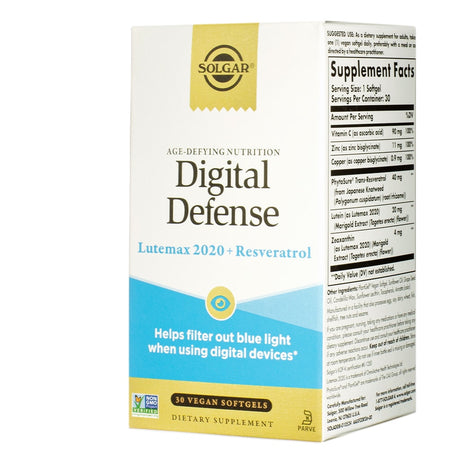
For carotenoid support, lutein is one of the most common choices. Solgar Lutein 20mg Softgels is a straightforward daily option, while Solgar Lutein 40mg Softgels provides a higher-strength formula and includes 2 mg of zeaxanthin. Natural Factors Lutein is another simple option if you want focused lutein support without a long ingredient list.
If you want a broader blend, Pure Encapsulations Macular Support Formula Capsules combines antioxidants and botanicals for macular and retinal support.* EverGreen Eye Health Capsules includes lutein, astaxanthin, and bilberry extract for visual comfort and healthy night vision support.* Solgar Bilberry Ginkgo Eyebright Complex Plus Lutein is a multi-ingredient formula people often compare when they want several traditional eye-supportive ingredients in one capsule.
Then there are the basics. Pure Encapsulations Vitamin A 3000 mcg (10,000 IU) and Solgar Dry Vitamin A 1500 mcg (5000 IU) are more targeted vitamin A options for people who want that nutrient specifically. Solgar Vitamin E 268 mg (400 IU) Alpha Softgels adds antioxidant support that can complement a broader eye wellness routine.*
How to choose the right eye supplement
Start with your main goal. If comfort and moisture are the priority, look at omega-based formulas first. Fish oil and borage oil formulas, like VisionPro, are often chosen for tear support, while sea buckthorn-based omega-7 products appeal to people who want a different fatty acid profile.*
If you're comparing lutein products, check the amount per serving. A 20 mg formula is a common starting point for many adults, especially if you're trying lutein for the first time. A 40 mg formula may appeal to someone who wants a higher-strength option. It also helps to check whether zeaxanthin is included, since these carotenoids are often paired together in eye formulas.*
Blends can be useful, but the ingredient list should match your goal. If you want a simple formula, a single-ingredient lutein or vitamin A product is easier to evaluate. If you want broader antioxidant coverage, a mixed formula with bilberry, astaxanthin, or multiple carotenoids may be worth considering.*
Format matters too. Softgels are common for fat-soluble nutrients like lutein, vitamin A, vitamin E, and omega oils. Capsules may be easier if you want a botanical blend. If you already take several supplements, the simplest formula is often the easiest to use consistently.
Common mistakes people make
One common mistake is choosing based on a buzzword instead of the actual ingredient panel. "Eye support" can mean very different things from one product to another. One formula may be mostly omega fats, another may be mostly carotenoids, and another may center on herbs and antioxidants.
Another mistake is stacking too many overlapping products without checking the label. For example, if you're taking a multivitamin plus a separate vitamin A product plus a blend that also contains vitamin A, your total intake can add up quickly. The same goes for vitamin E and certain carotenoids.
People also overlook lifestyle fit. If your eyes feel less comfortable mainly after screen-heavy days, a formula aimed at moisture and visual comfort may make more sense than going straight to a high-dose single nutrient.*
Who should check with a practitioner first
Please get personalized guidance before using higher-dose vitamin A if you are pregnant, trying to become pregnant, nursing, or using other supplements that already contain vitamin A. The same goes for anyone with a history of liver concerns or anyone taking medications where fat-soluble vitamins may not be appropriate.
If you use blood thinners or other medications, it's smart to ask a qualified practitioner before starting fish oil, vitamin E, ginkgo, or multi-ingredient blends. If you'd like help sorting through labels, you can reach our team through our contact page or learn more about practitioner support at our experts.
These statements have not been evaluated by the Food and Drug Administration. These products are not intended to diagnose, treat, cure, or prevent any disease.


 Start your journey

 Contact Us