What heart health supplements are meant to support
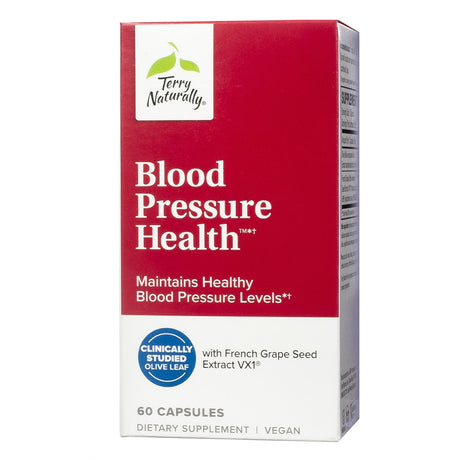
Heart health supplements cover a wide range of products, and they are not all meant to do the same thing. Some are used for healthy blood flow and vascular tone. Some support cholesterol metabolism already in the normal range. Some help maintain healthy blood pressure already within the normal range. Others focus on antioxidant protection or cellular energy production.*
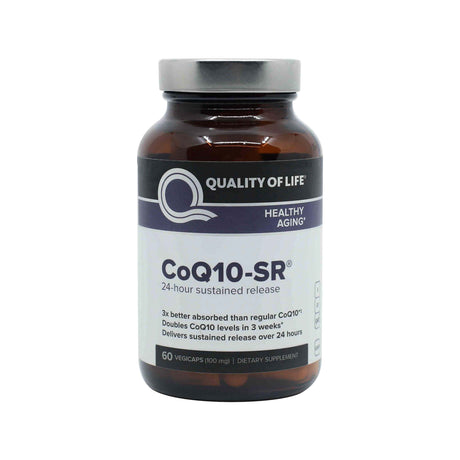
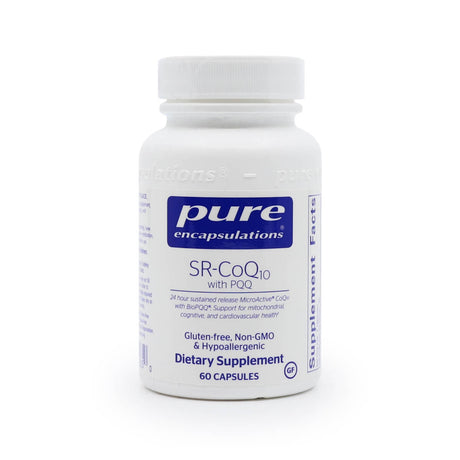
For example, Quality of Life CoQ10SR Capsules features CoQ10, which is involved in mitochondrial energy production and is commonly used in cardiovascular routines. Pure Encapsulations Nitric Oxide Support Powder uses arginine and citrulline to support nitric oxide production and healthy blood flow.* That is a different purpose than cholesterol-focused formulas like HCP Formulas LipiCept Cholesterol Support Supplement Capsules or Terry Naturally Healthy Cholesterol with Amla Capsules.
The easiest way to shop this category is to start with the kind of support you want, not a broad label.
Who might look at this category
People usually browse heart health supplements for a few main reasons. Some want daily nutritional support for the heart and circulatory system.* Others are looking for help maintaining healthy cholesterol levels already in the normal range, supporting vascular elasticity, or promoting healthy blood flow during exercise and daily activity.*
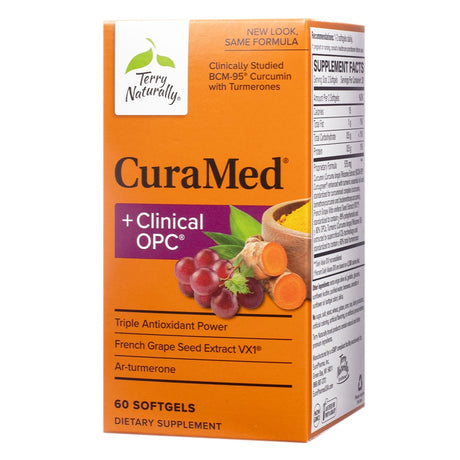
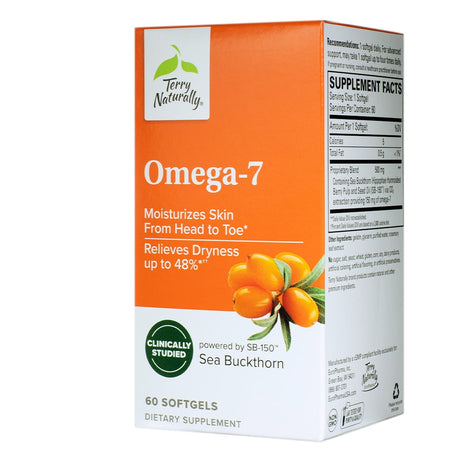
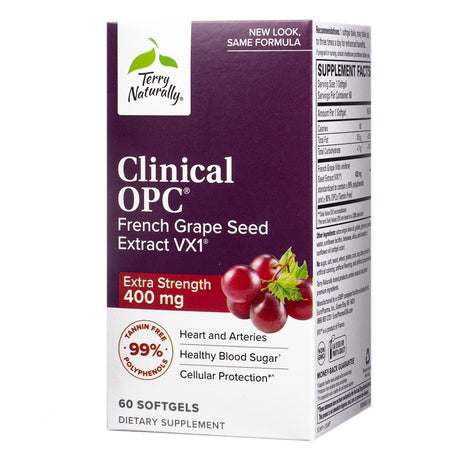
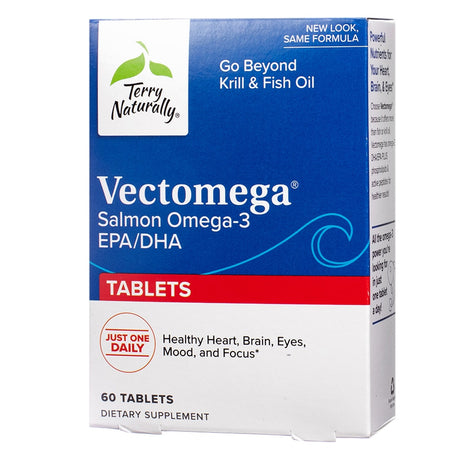
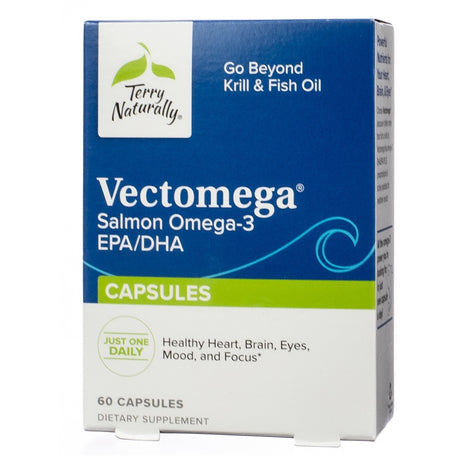
If your focus is circulation and vessel support, Terry Naturally Artery Strong Softgels and Terry Naturally Clinical OPC Extra Strength 400mg Softgels are two formulas people often compare. If you want healthy fats, Terry Naturally Vectomega provides omega-3 support, while Terry Naturally Omega-7 Softgels adds sea buckthorn-derived omega-7 for broader metabolic and heart support.*
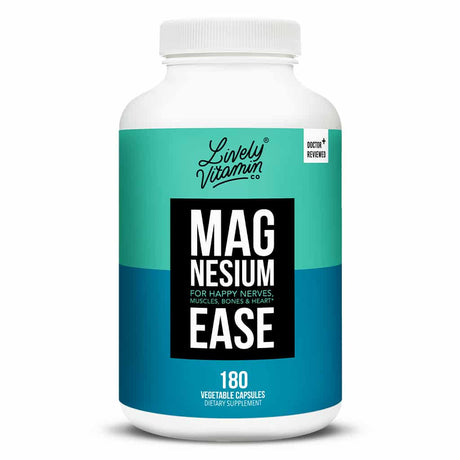
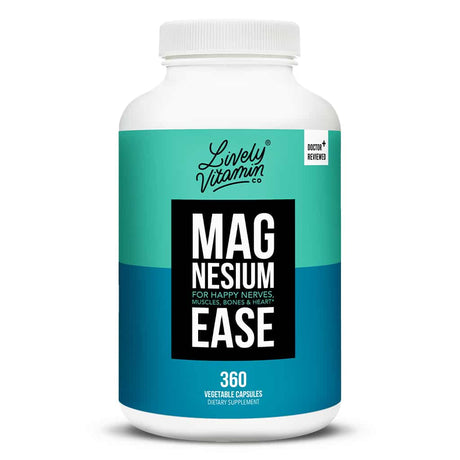
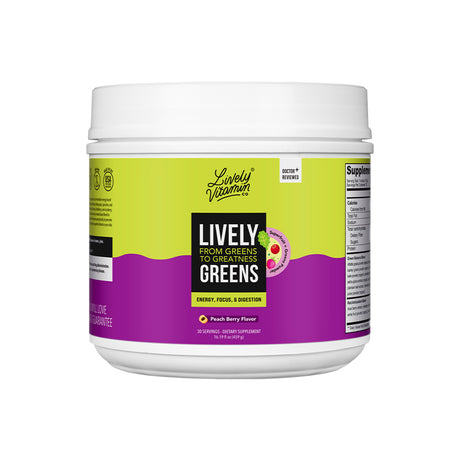
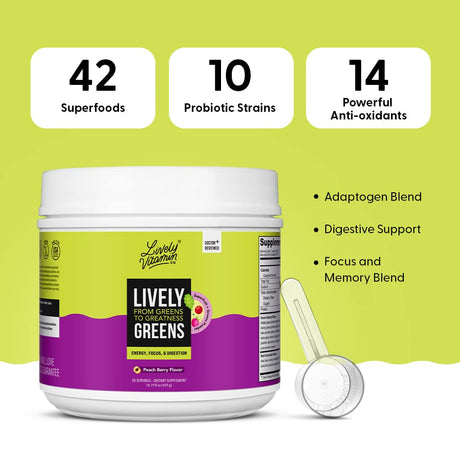
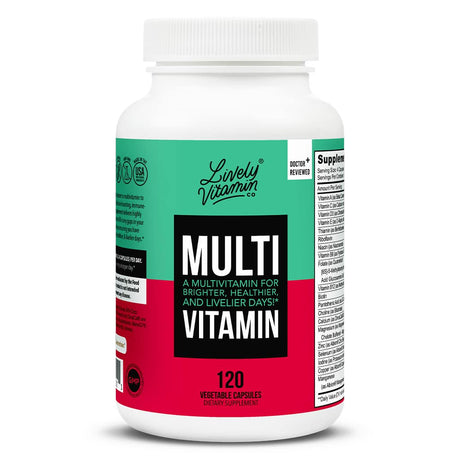
Sometimes the better fit is a more basic product. Lively Vitamin Co. Magnesium Ease is one example. Magnesium supports muscle and nerve function, including normal cardiovascular function.* It may not be the first product people think of, but for some shoppers it is a practical place to start.
How to choose between CoQ10, omega-3, magnesium, and nitric oxide products
The details matter here.
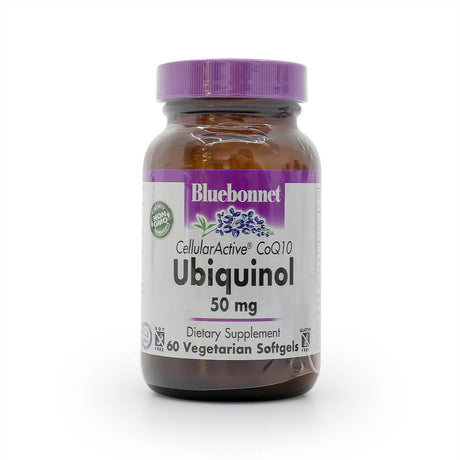
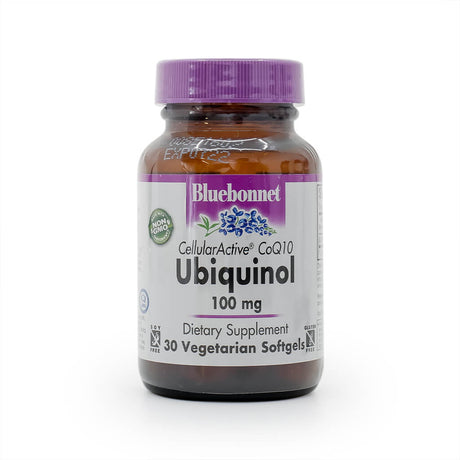
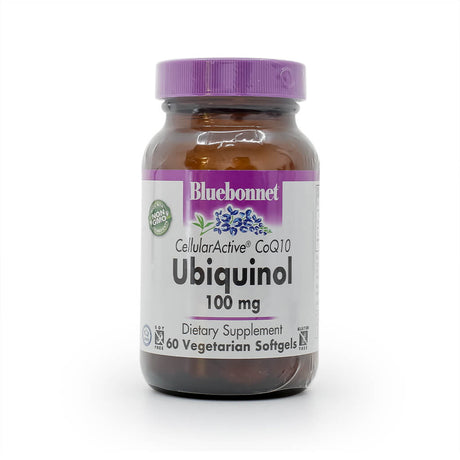
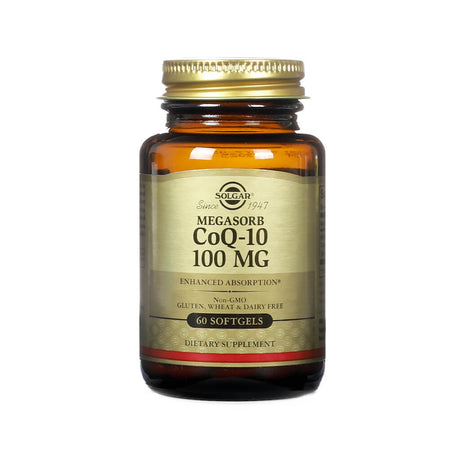
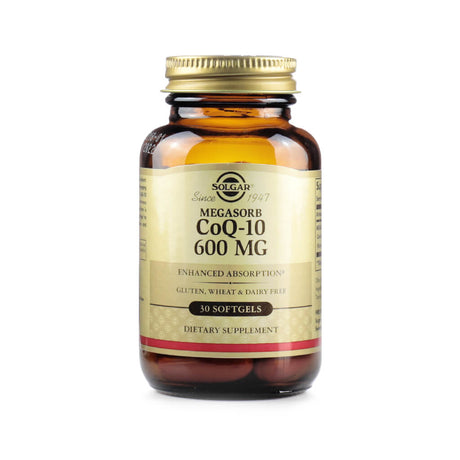
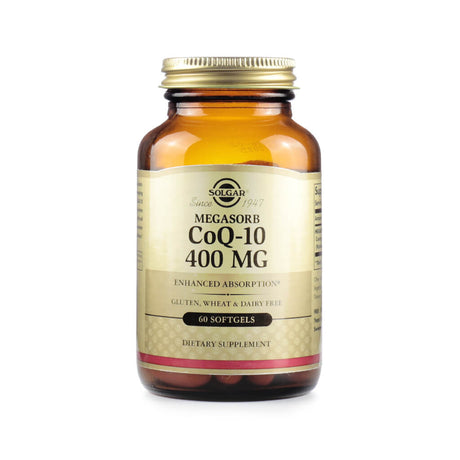
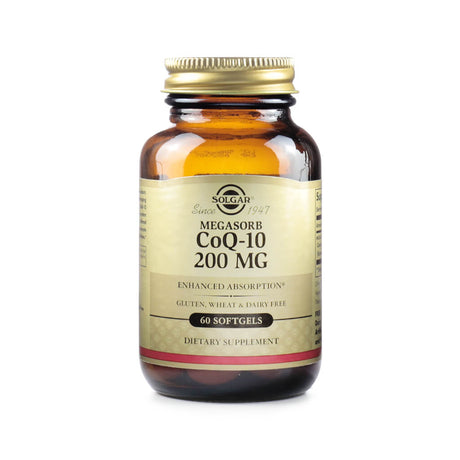
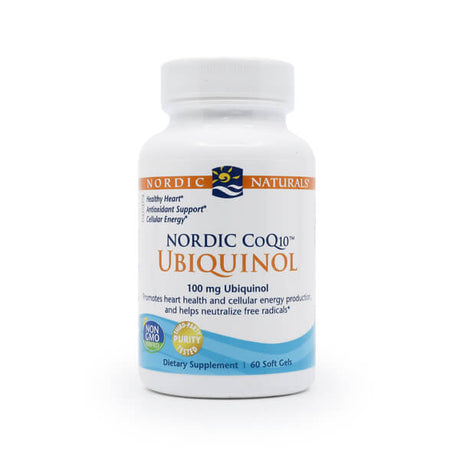
With CoQ10, look at both dose and delivery. Many people shop by milligrams alone, but absorption can matter. Quality of Life CoQ10SR Capsules uses a sustained-release MicroActive form, which may make sense if you want steadier delivery throughout the day instead of a quick spike. In general, CoQ10 products often fall around 100 to 200 mg daily, and starting at the lower end is common unless a practitioner suggests otherwise. If you are comparing ubiquinone and ubiquinol, ubiquinol is the reduced form, while ubiquinone is the more common classic form. Both are used in heart support routines, so it helps to compare form and absorption technology, not just the front-label claim.
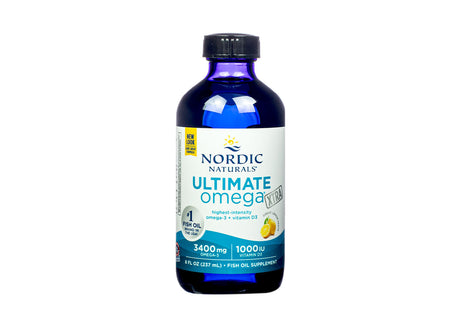
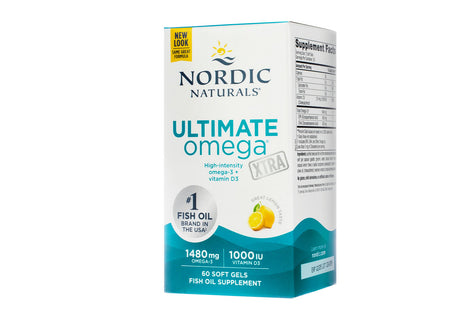
For omega products, do not assume all omegas serve the same role. Terry Naturally Vectomega is the more classic omega-3 option for heart, brain, and eye support.* Terry Naturally Omega-7 Softgels is different. Omega-7 from sea buckthorn is not a substitute for omega-3, and that is a common point of confusion. If your goal is foundational fatty acid support for cardiovascular wellness, omega-3 is usually the first place to look. If you want a broader add-on that also supports skin and metabolic health, omega-7 may make sense.*
With magnesium, the form matters more than many labels make clear. Lively Vitamin Co. Magnesium Ease is positioned as an easy-to-absorb option, which is what many people want. A product can show a solid magnesium amount on paper, but if it is hard on your stomach or poorly tolerated, you probably will not keep taking it. For general wellness support, many adults look at around 100 to 300 mg elemental magnesium daily from supplements, though the right amount depends on diet, tolerance, and the rest of your routine.
For nitric oxide support, check whether the formula uses arginine, citrulline, or both. Pure Encapsulations Nitric Oxide Support Powder includes both arginine and citrulline, plus vitamin C for antioxidant support.* That combination makes sense because citrulline is often used to help support arginine levels over time. Powder can also be easier than capsules if you use it around workouts or want flexibility with serving size.
Common buying mistakes we see
- Choosing a product based on a broad claim like "cardio support" without checking what it is actually designed to do.
- Comparing capsule count instead of active ingredients, dose, and form.
- Expecting one formula to cover cholesterol metabolism, blood flow, blood pressure support, antioxidant protection, and energy support all at once.
- Overlooking consistency. A moderate daily formula you will actually take usually works better than an ambitious routine that stays in the cabinet.
Another common mistake is doubling up without realizing it. If you are using multiple circulation or antioxidant formulas, read the labels carefully so you know where ingredients overlap.
Who should talk with a practitioner first
If you take prescription medications, especially blood thinners, blood pressure medications, or other cardiovascular drugs, it is a good idea to check with your healthcare professional before adding supplements. The same goes for anyone who is pregnant, nursing, preparing for surgery, or managing a complex health history.
Systemic enzyme formulas like HCP Formulas Fibrenza Systemic Enzyme 500mg deserve extra caution if medication interactions are a concern. If you are not sure whether you need a foundational product or a more targeted formula, you can reach out through our contact page or learn more about practitioner support on our Our Experts page.
These statements have not been evaluated by the Food and Drug Administration. These products are not intended to diagnose, treat, cure, or prevent any disease.


 Start your journey
 Contact Us