What magnesium supplements do, and why form matters
Magnesium is an essential mineral involved in hundreds of enzyme-driven processes in the body. It helps support muscle and nerve function, energy production, bone health, and a healthy stress response within normal daily demands.* The form matters because different forms can work differently for different people.
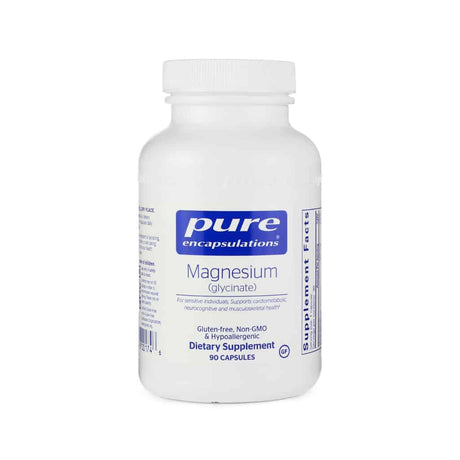
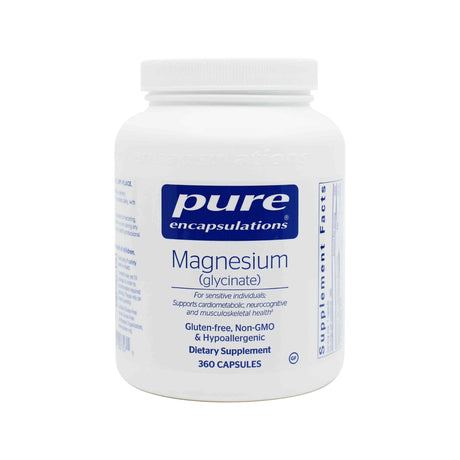
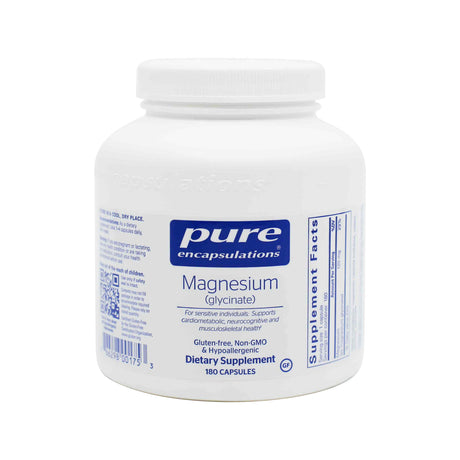
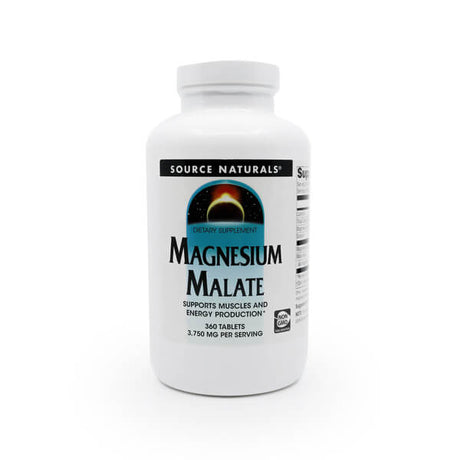
For example, Pure Encapsulations Magnesium (Glycinate) uses a chelated glycinate form, which many people find gentler and easier to take consistently. If you want a powder instead, Natural Vitality Natural Calm Powder uses magnesium citrate, a form people often choose for relaxation support and one that may also be more noticeable for bowel regularity in some people.* Source Naturals Magnesium Malate Tablets pairs magnesium with malic acid, a combination some customers prefer for muscle function and energy support.*
If you are comparing magnesium supplements, start with the form: glycinate, citrate, malate, or a blend. Then compare dose and format.
How to match the type of magnesium to your goal
A good place to start is with your main reason for taking magnesium. There is no single best form for everyone, but some forms are more commonly chosen for certain uses.
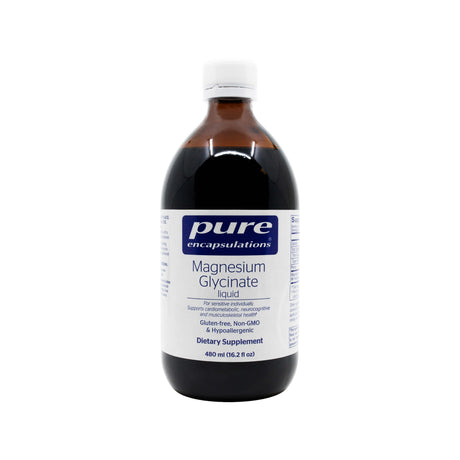
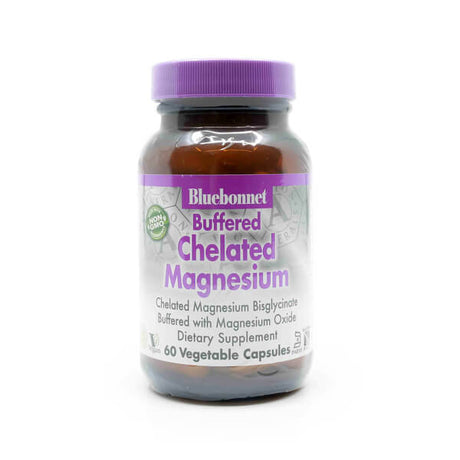
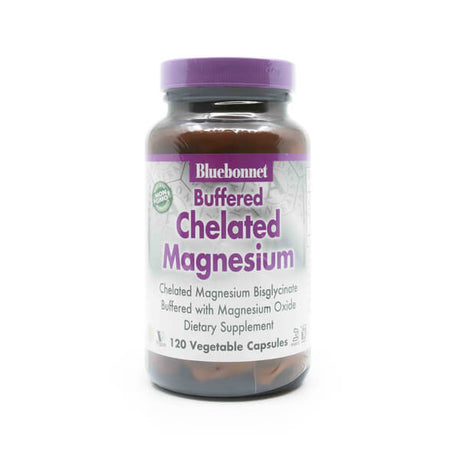
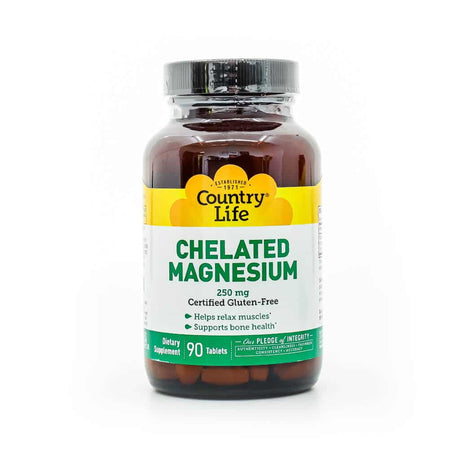
Magnesium glycinate is often chosen for broad daily support and for people who want a form that is often easier on the stomach. In this collection, that includes Pure Encapsulations Magnesium (Glycinate), Pure Encapsulations Magnesium Glycinate Liquid, and Bluebonnet Albion Chelated Magnesium 200mg, which provides magnesium bisglycinate.
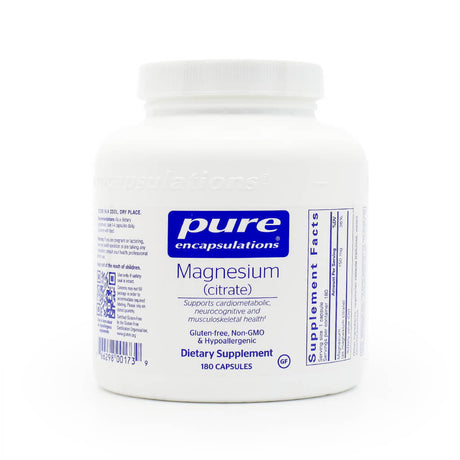
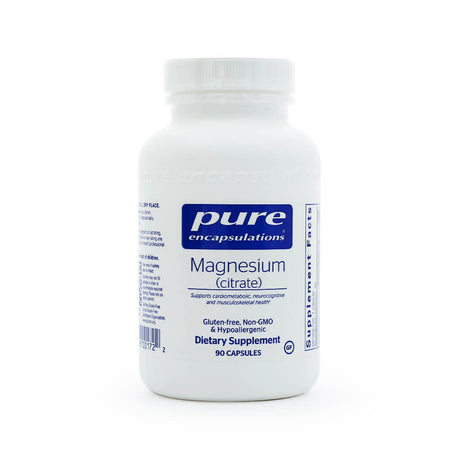
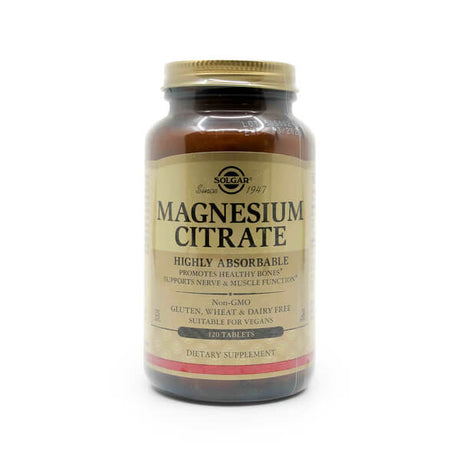
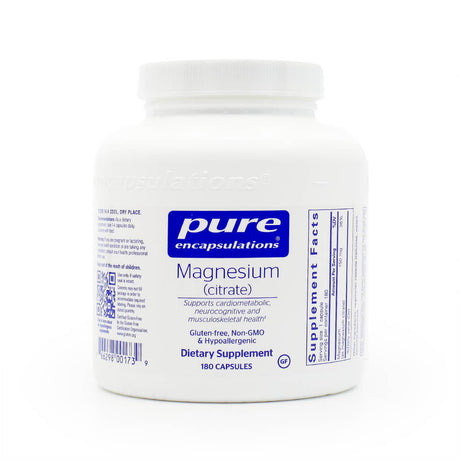
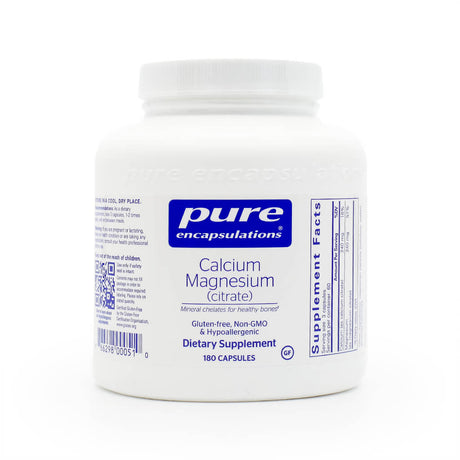
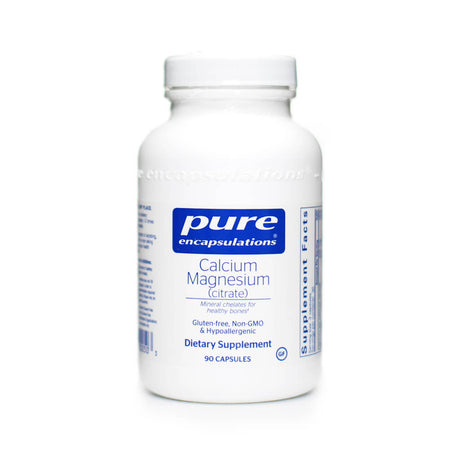
Magnesium citrate is often chosen by people looking for a highly absorbable option who do not mind that it may be more active for digestion. Examples here include Pure Encapsulations Magnesium Citrate, Solgar Magnesium Citrate, and the fizzy powders from Natural Vitality Natural Calm Powder.
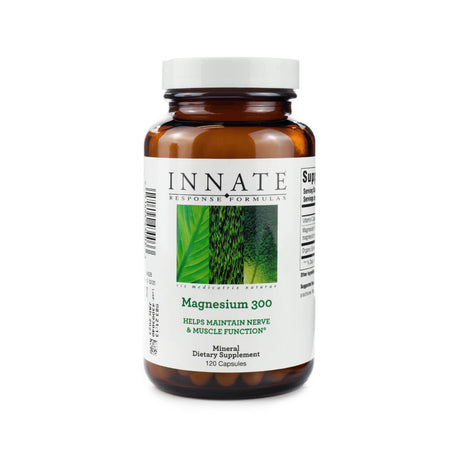
Malate formulas are worth considering if your focus is muscle function or energy support.* Source Naturals Magnesium Malate Tablets is the clearest example in this collection. If you want a blend instead of a single form, Innate Response Formulas Magnesium 300 Capsules combines citrate, malate, and glycinate.
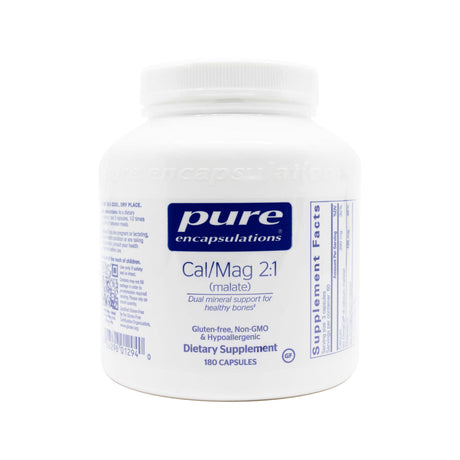
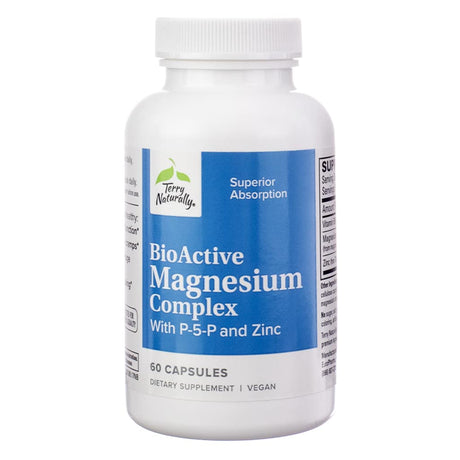
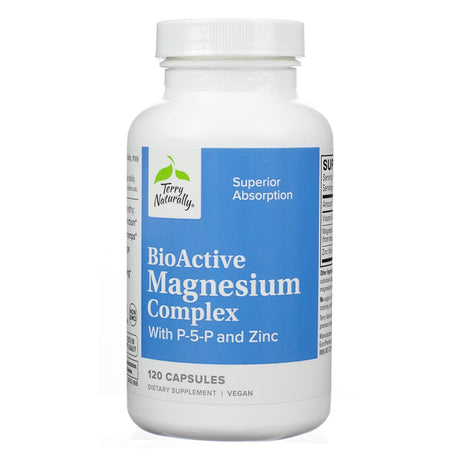
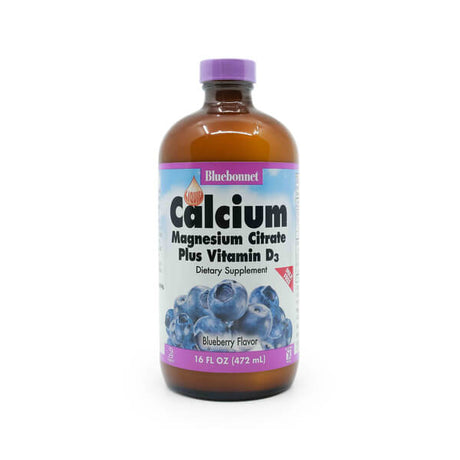
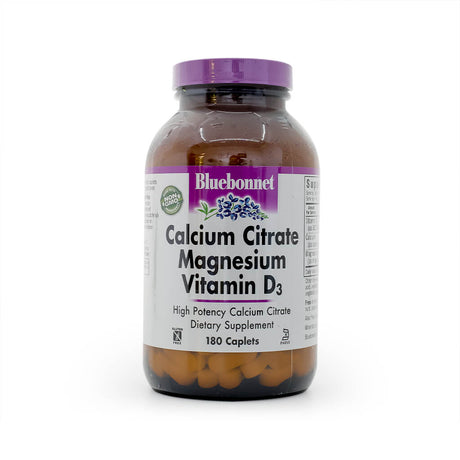
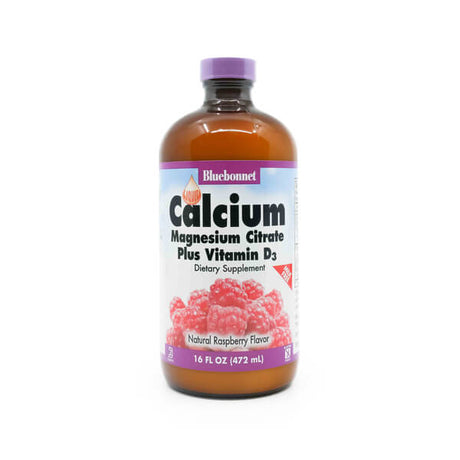
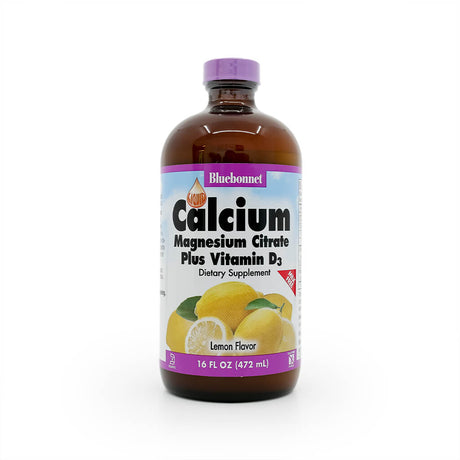
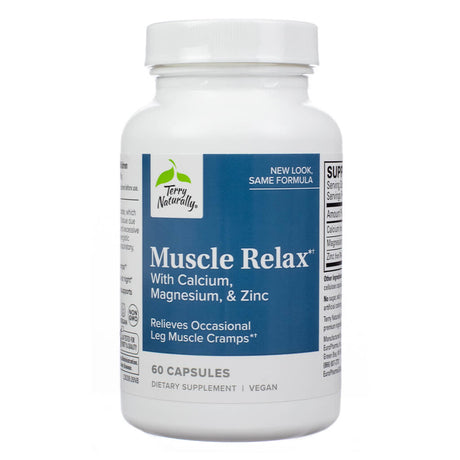
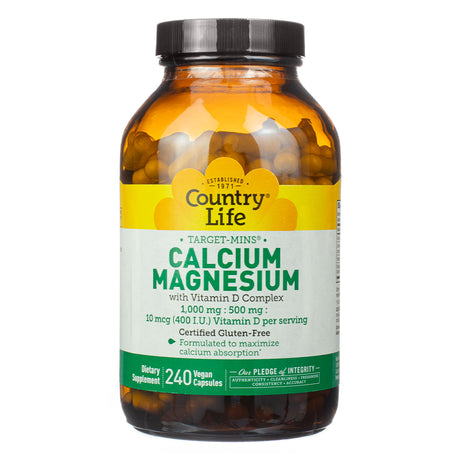
Some products pair magnesium with other nutrients. Terry Naturally Bioactive Magnesium Complex includes vitamin B6 and zinc. Pure Encapsulations Cal/Mag (Malate) 2:1 Capsules and Bluebonnet Calcium Magnesium Citrate Plus Vitamin D3 may make more sense if bone support is part of the goal.*
What to compare before you choose
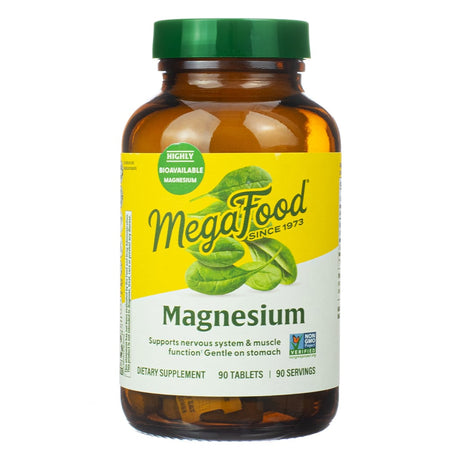
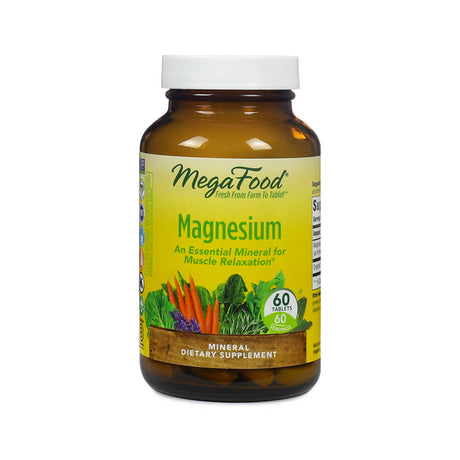
One of the most important things to compare is elemental magnesium. That is the actual amount of magnesium provided per serving, and it can vary quite a bit. In this collection, MegaFood Magnesium Tablets provide 50 mg per serving, which is on the lower end and may appeal to someone who wants a lighter daily add-on. Bluebonnet Albion Chelated Magnesium 200mg gives 200 mg. Innate Response Formulas Magnesium 300 Capsules gives 300 mg. Solgar Magnesium Citrate is one of the higher-dose options at 400 mg, and its product description also notes a 420 mg serving.
That is a wide range, so do not assume two bottles are equivalent just because both say "magnesium." It helps to decide whether you want around 200 mg, around 300 mg, or a higher-potency option, then choose the form that fits your goal.
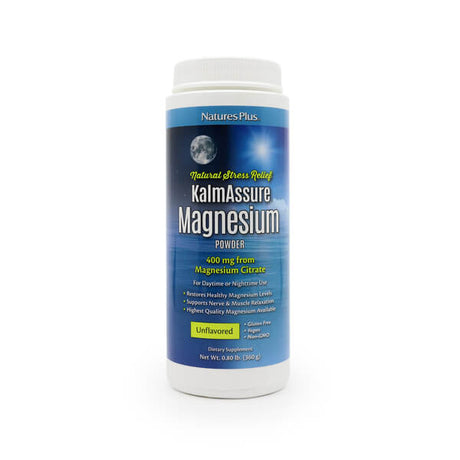
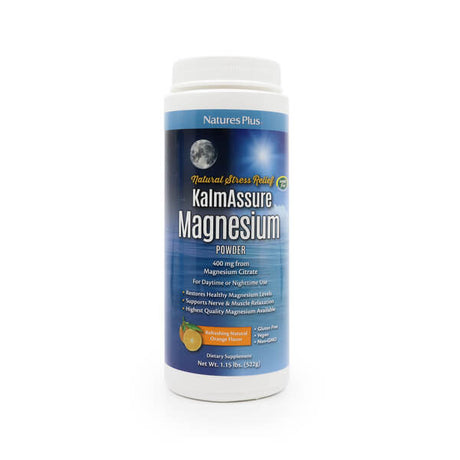
Delivery format matters too. Capsules are straightforward and easy to keep consistent. Powders like NaturesPlus KalmAssure Magnesium Powder and Natural Vitality Natural Calm Powder can work well for people who do not like pills, and they are easy to mix into an evening routine. Liquids like Pure Encapsulations Magnesium Glycinate Liquid may help if swallowing capsules is difficult or if you want more flexibility with serving size.
Also consider whether you want magnesium on its own or in a combination formula. If magnesium is the main reason you are shopping, a single-nutrient product is usually easier to adjust. If you are trying to cover several nutritional bases, a combo can be more practical.
Common buying mistakes
A common mistake is choosing the highest number on the label without looking at the form or thinking about tolerance. Higher amounts, especially in citrate powders or capsules, may not be the best place to start if you have a sensitive stomach.
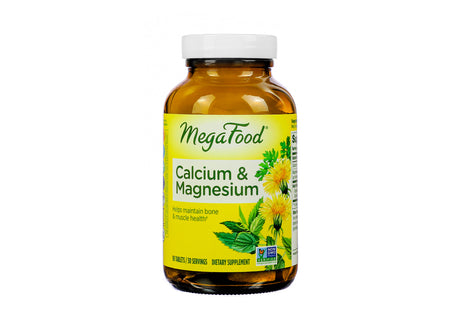
Another common mistake is choosing a calcium-magnesium combo when what you really want is a dedicated magnesium supplement. Combination products can be useful, but they change the mineral balance and may not be the best fit if your main goal is simply increasing magnesium intake.
It is also worth being careful about taking magnesium at the same time as certain medications or minerals. Magnesium can interfere with absorption of some drugs, including some antibiotics, thyroid medication, and bisphosphonates. It can also compete with iron or zinc in some situations. A simple rule of thumb is to separate magnesium from medications by a few hours unless your practitioner tells you otherwise.
Who should check with a practitioner first
If you have kidney concerns, take prescription medications, are pregnant or breastfeeding, or are trying to fit magnesium into a broader supplement routine, it is a good idea to get personalized guidance first. The same goes for anyone already using a multivitamin, electrolyte mix, sleep formula, or bone support product, because magnesium can add up faster than expected.
If you'd like a second opinion, you can reach out through our contact page or learn more about our practitioners at our experts.
A few quick questions we hear a lot
Is glycinate better than citrate?
Not in every case. Glycinate is often chosen for daily use and gentler tolerance, while citrate may be a better fit for people who want that form and do not mind that it can be more active for digestion.
Should I choose a powder, liquid, or capsule?
Choose the format you are most likely to take consistently. Powders are convenient for evening routines, liquids offer flexibility, and capsules are the simplest option for many people.
How long does it take to notice a difference?
That depends on the person, the form, the dose, and what you are hoping to support. Consistency matters more than jumping straight to the strongest formula.
These statements have not been evaluated by the Food and Drug Administration. These products are not intended to diagnose, treat, cure, or prevent any disease.




 Start your journey

 Contact Us