What protein powder is actually doing for you
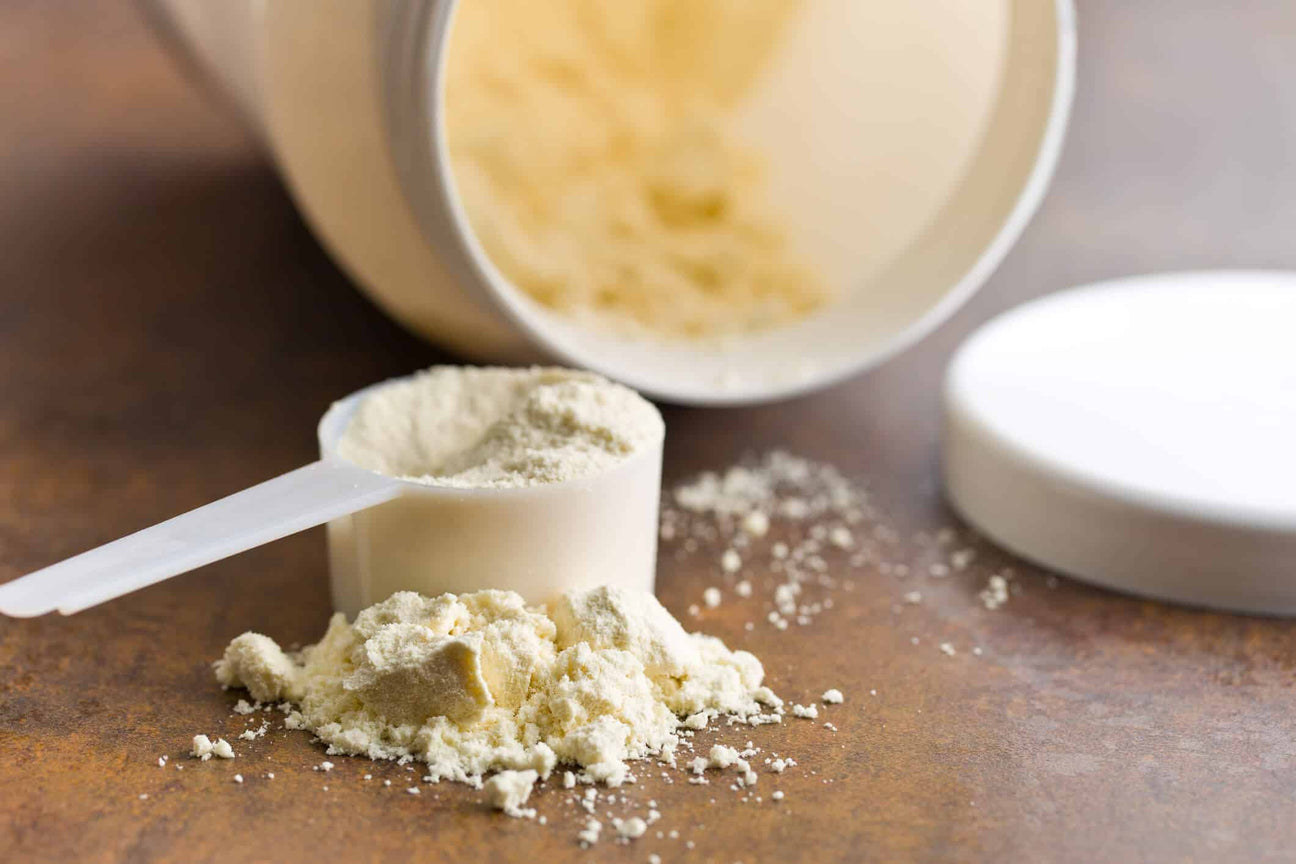
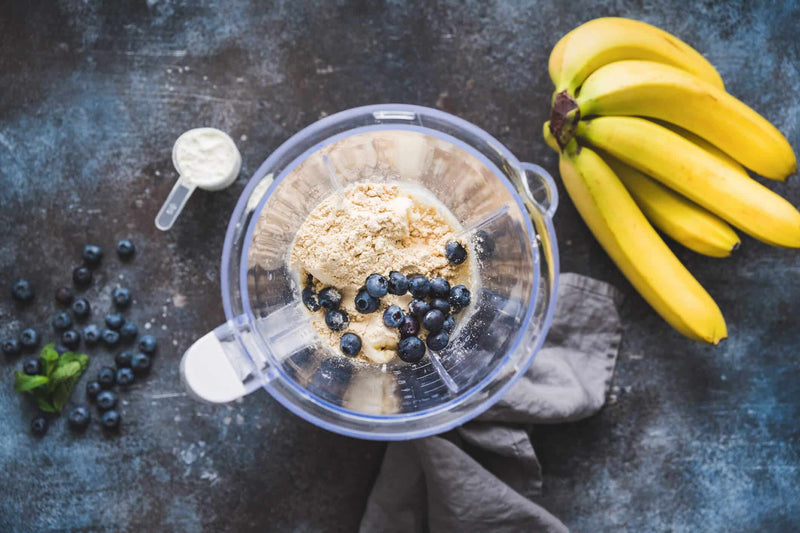
Protein powders are concentrated sources of amino acids, which your body uses to maintain muscle, connective tissue, enzymes, hormones, and more. If you do not get enough protein from meals alone, a shake or a scoop mixed into coffee, oatmeal, or a smoothie can help support muscle maintenance, satiety, and post-exercise recovery.*
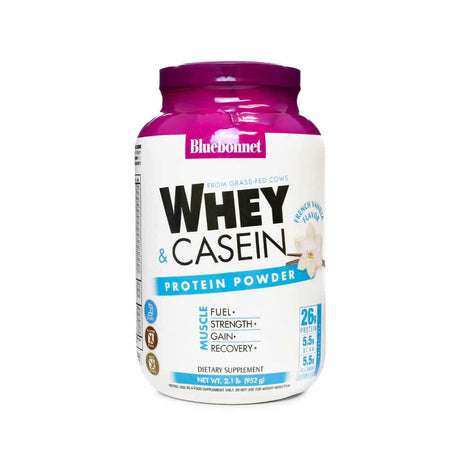
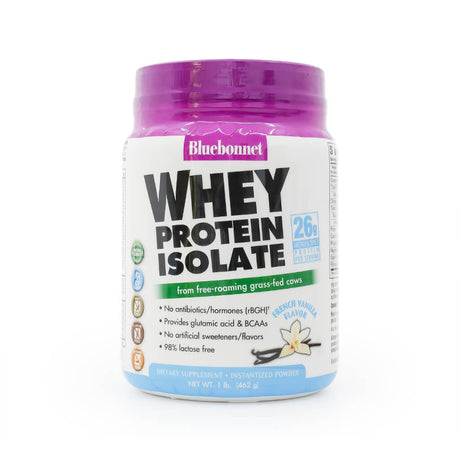
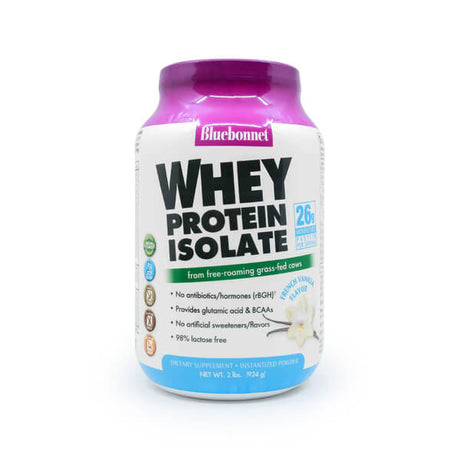
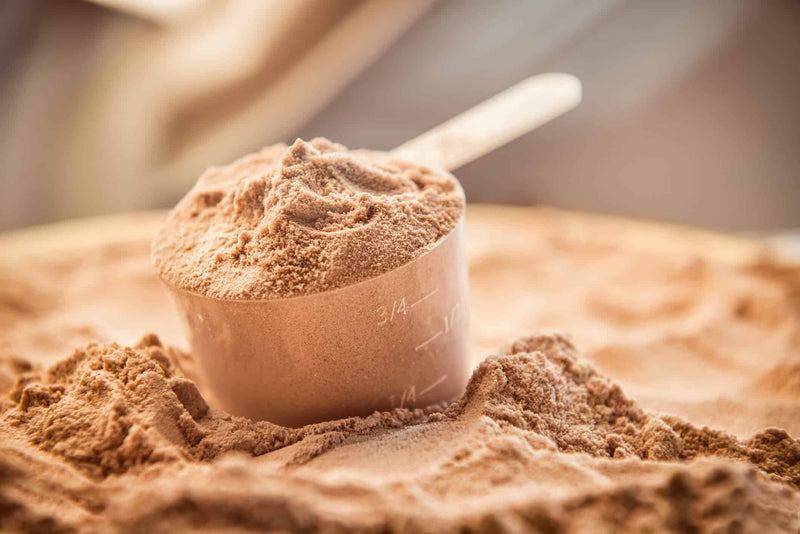
Not every protein powder works the same way. Whey and casein come from milk. Whey is absorbed fairly quickly, while casein digests more slowly. That is why a blend like Bluebonnet Whey and Casein Protein Powder can make sense if you want both fast and sustained amino acid delivery. If you want a simpler dairy option, Bluebonnet Whey Protein Isolate Powder is a more concentrated whey format.
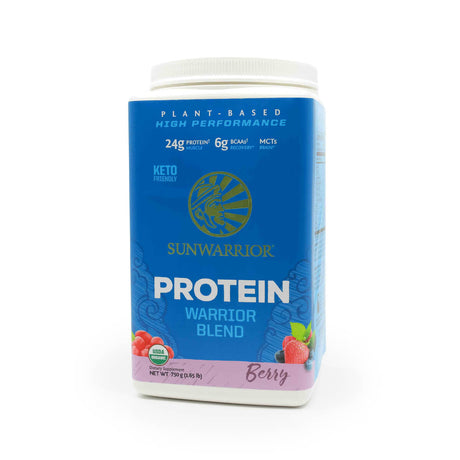
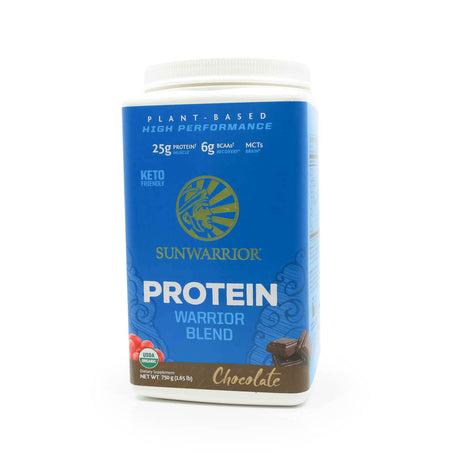
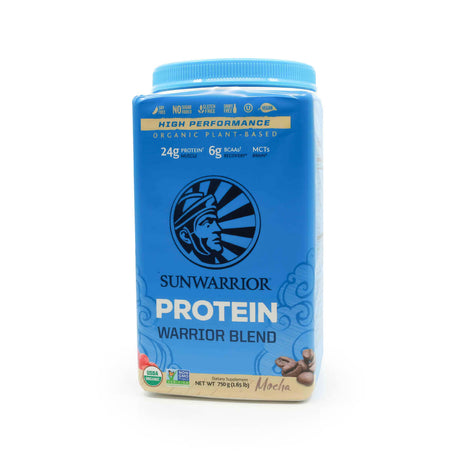
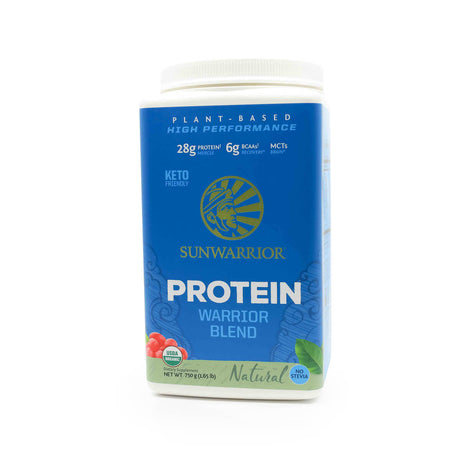
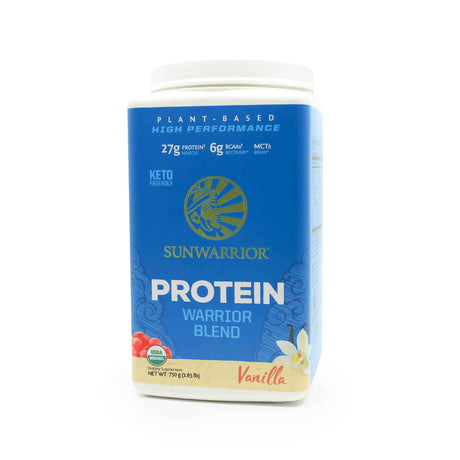
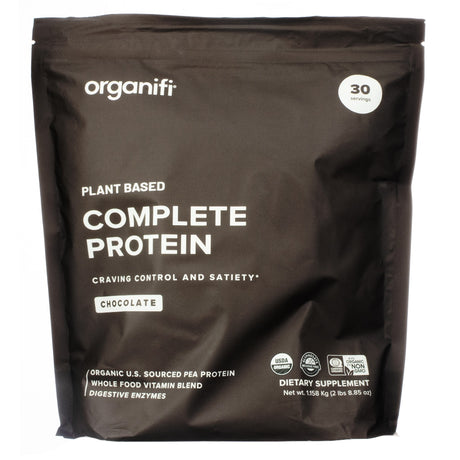
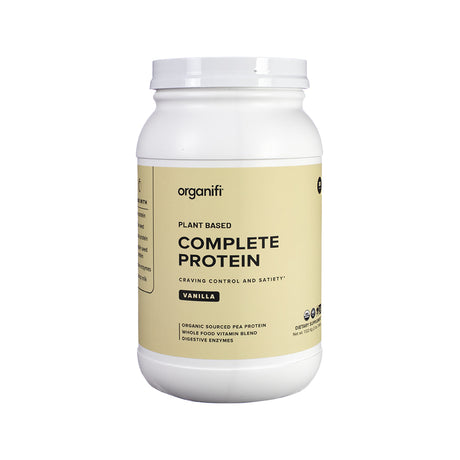
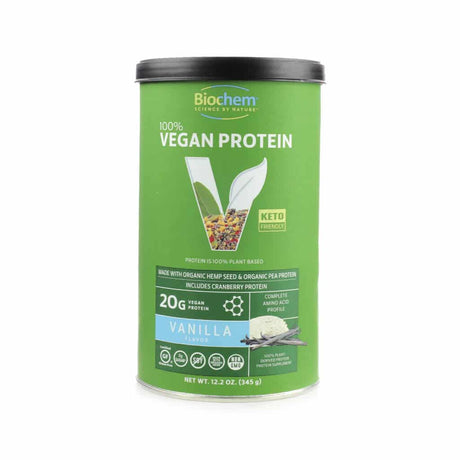
Plant proteins work differently too. They can still support strength, fullness, and daily protein intake, but the amino acid profile depends on the source. Blends often combine several plant proteins to create a more balanced formula. Sunwarrior Warrior Blend Organic Vegan Protein and Vega Protein + Recovery Powder are good examples for people avoiding dairy.
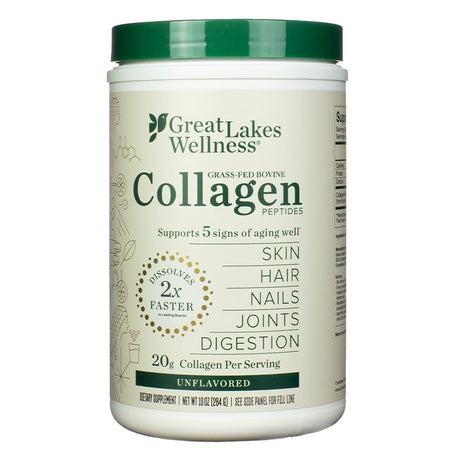
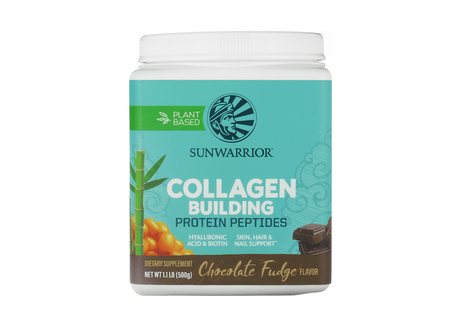
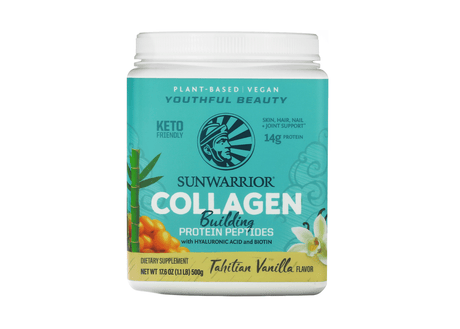
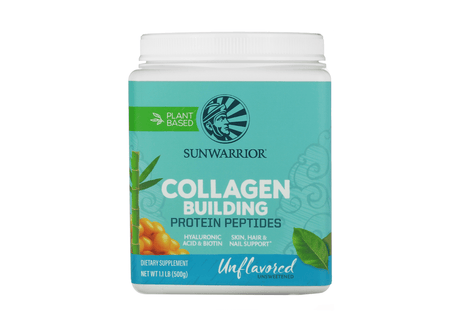
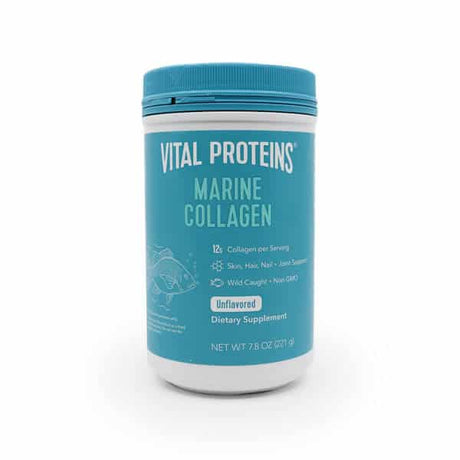
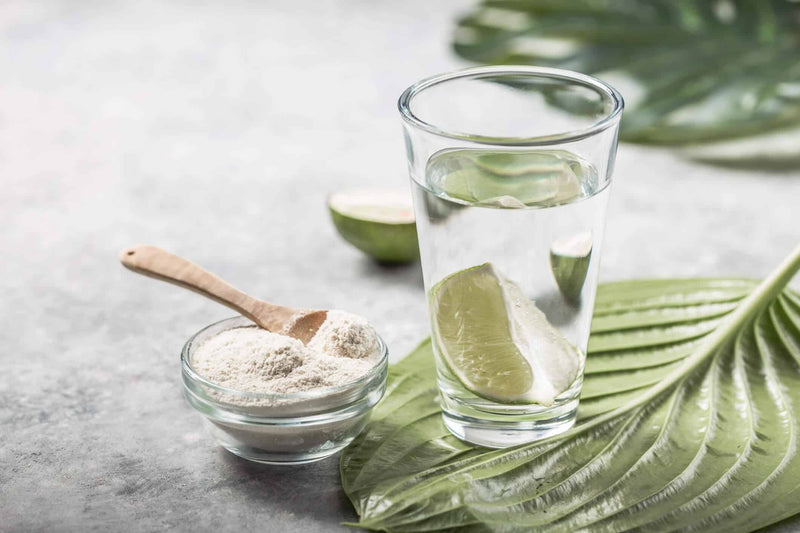
Then there is collagen. Collagen powders are rich in protein, but they are not the same as a complete muscle-building protein. Products like Great Lakes Wellness Collagen Peptides and Vital Proteins Collagen Peptides Unflavored are usually chosen for support of skin, joints, connective tissue, and healthy aging, not as a direct replacement for whey or a balanced meal shake.*
Which type makes sense for your goals
If your main goal is workout recovery or maintaining lean muscle, whey isolate or a blended sports formula is usually a practical place to start. Whey naturally provides essential amino acids, including leucine, which is especially relevant for muscle protein synthesis. For active adults who tolerate dairy well, Bluebonnet's whey options are an easy starting point.
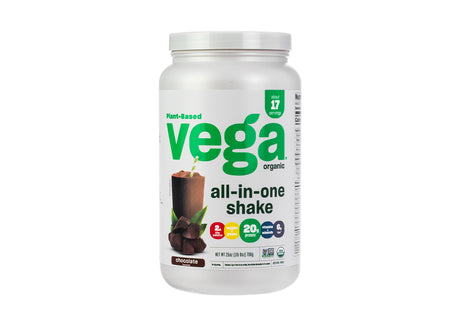
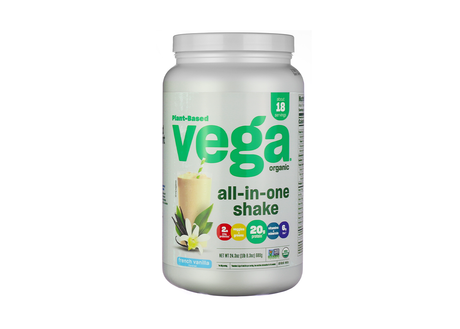
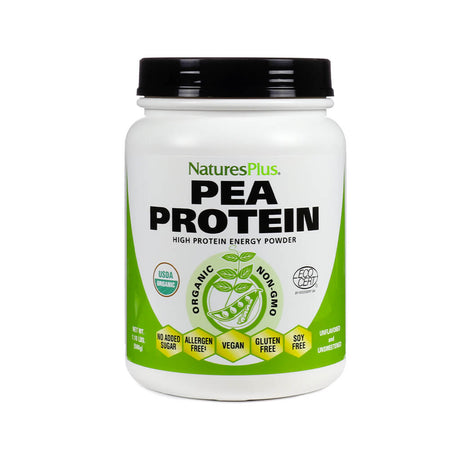
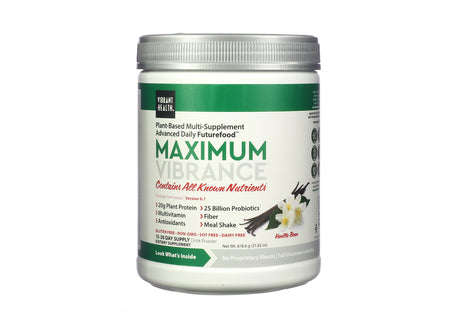
If you want a vegan or dairy-free protein powder, plant-based blends are usually the first place to look. Vega One All-In-One Shake goes beyond protein and adds vitamins, minerals, and probiotics, which can help if you are using it as a more substantial snack or a light meal option. Nature's Plus Organic Pea Protein is more straightforward, and some people prefer that because it keeps the extras to a minimum.
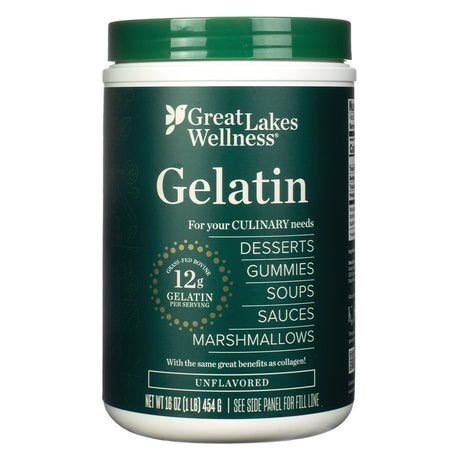
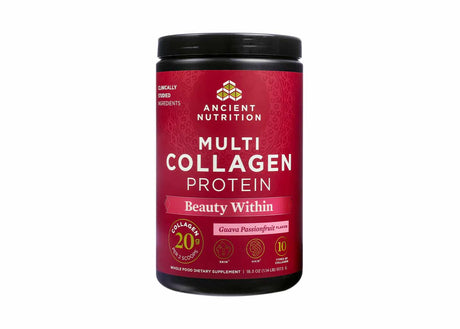
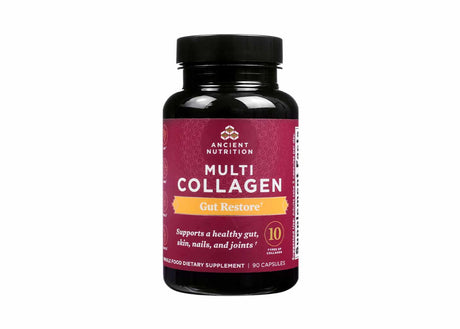
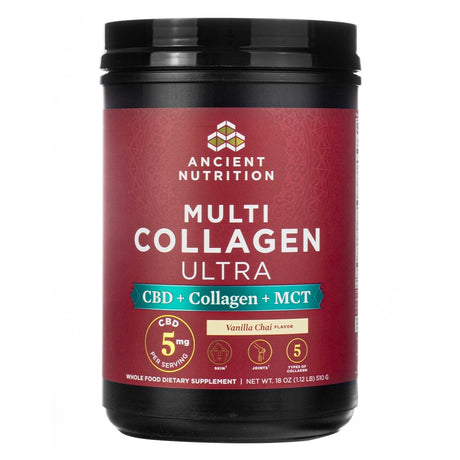
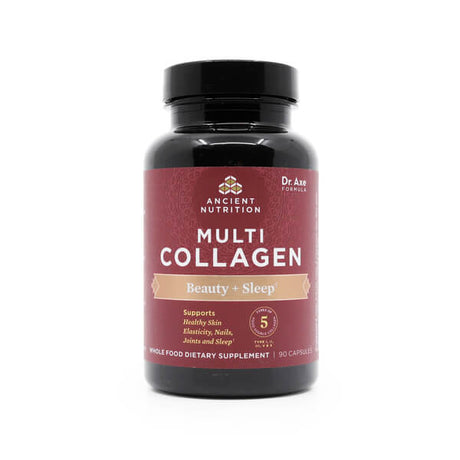
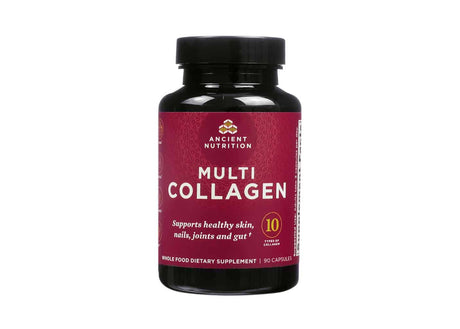
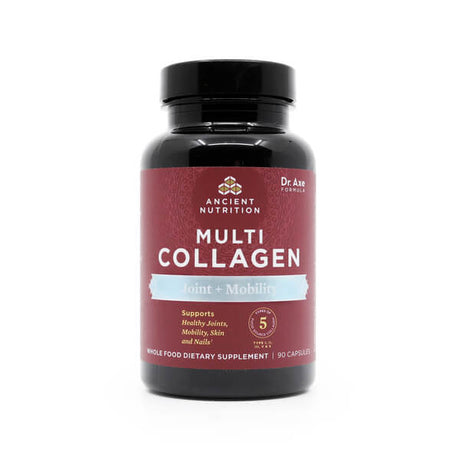
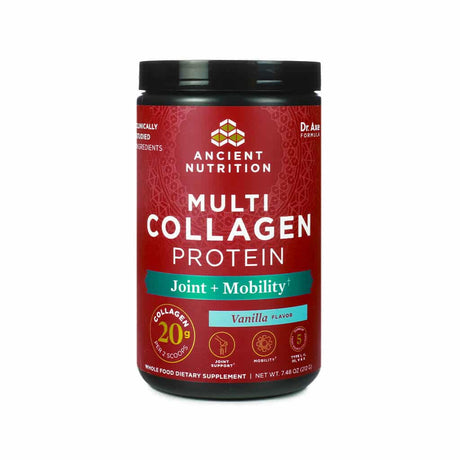
If you are shopping for hair, skin, nail, or joint support, collagen may be the better fit.* Great Lakes and Vital Proteins both offer unflavored collagen peptides that dissolve easily into hot or cold drinks. If you want a broader collagen blend from multiple sources, Ancient Nutrition Multi Collagen Capsules and the brand's powder options may be worth a look. Gelatin is a little different from collagen peptides because it gels in liquid, so Great Lakes Wellness Unflavored Beef Gelatin works better for cooking, homemade gummies, and thicker recipes than for a quick shake.
How to compare protein powders without getting overwhelmed
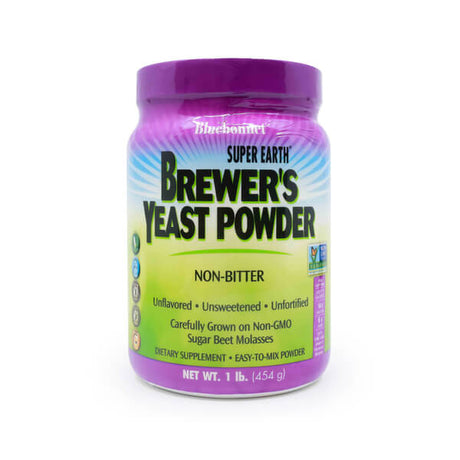
Start with the protein source. Dairy-based, plant-based, collagen, and brewer's yeast all have different strengths. Bluebonnet Super Earth Brewer's Yeast Powder is a vegan protein source with fiber, but it fills a different role than whey isolate or collagen peptides.
Then think about how you will actually use it. An unflavored powder gives you the most flexibility if you want to stir it into soups, oatmeal, coffee, or smoothies. Flavored powders are easier if you want a quick shake. Texture matters too. Collagen peptides usually dissolve more smoothly than many plant proteins, while pea protein and vegan blends tend to be thicker.
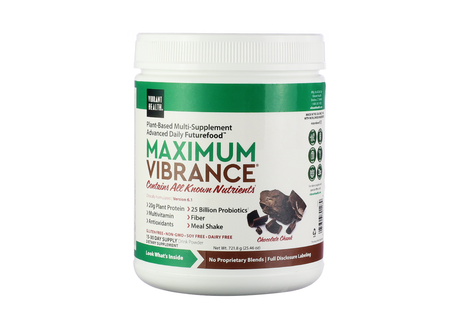
Check the added ingredients too. Some formulas are just protein. Others include probiotics, MCT oil, vitamins, minerals, or recovery-focused extras. That is not automatically better or worse. It just needs to match your goal. If you want something minimal, a single-ingredient or short-label option can make sense. If you want more nutritional coverage in one scoop, an all-in-one formula may be more practical.
Last, pay attention to dietary fit. In this collection you will find grass-fed whey options, organic vegan protein, collagen from bovine sources, and products that are free from common extras like artificial colors and sweeteners. If "natural protein powder" is what brought you here, this is where label reading matters most.
Common mistakes we see people make
- Some people use collagen as their only protein after workouts. Collagen can support connective tissue, but it is not the same as a complete protein source for muscle support.*
- Some people choose a formula with lots of extras when what they really wanted was plain protein.
- Serving size gets overlooked. Two powders can look similar until you compare how much actual protein you get per scoop.
- Sometimes the product just does not match digestion preferences. Dairy, pea protein, gelatin, and multi-ingredient shakes all feel different in the body and in a blender bottle.
One practical tip: if you are new to protein powders, start with the format you will use consistently. The best healthy protein powder is usually the one that fits your routine well enough that the tub does not end up forgotten in the pantry.
Who should check with a practitioner first
If you are pregnant, nursing, managing kidney concerns, taking multiple medications, or using protein powder as a meal replacement every day, it is smart to get personalized guidance first. The same goes for kids, teens with high supplement use, and anyone with significant food allergies or digestive sensitivity. If you would like a second opinion, you can reach out through our contact page or learn more about our practitioners at Our Experts.
These statements have not been evaluated by the Food and Drug Administration. These products are not intended to diagnose, treat, cure, or prevent any disease.


 Start your journey


 Contact Us