What plant based protein powder actually does
Protein powder is a concentrated way to add amino acids to your day. Your body uses amino acids to help maintain muscle, make enzymes, and support normal recovery after activity. Vegan protein powder skips whey, casein, collagen, and other animal-sourced proteins. Instead, it uses ingredients like pea protein, seeds, grains, legumes, greens, or brewer's yeast.
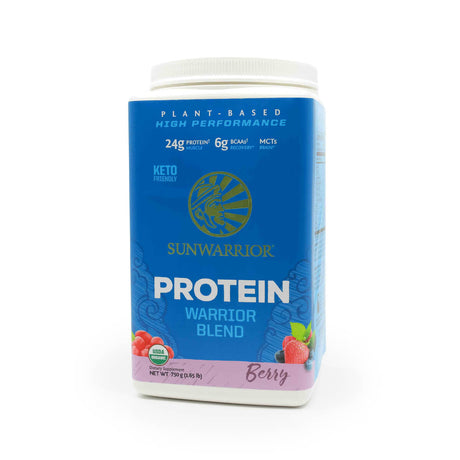
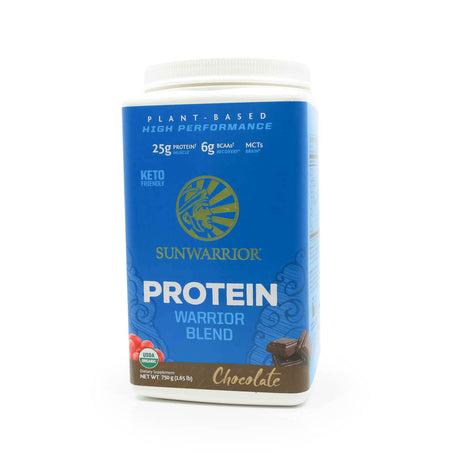
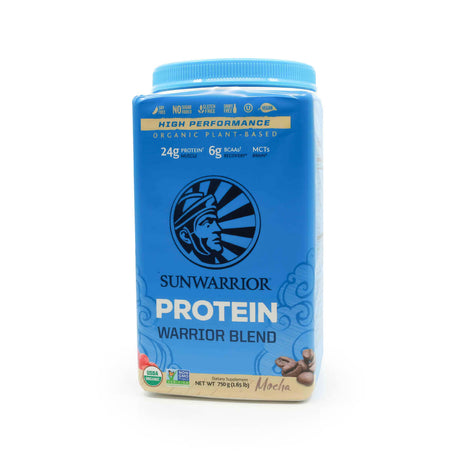
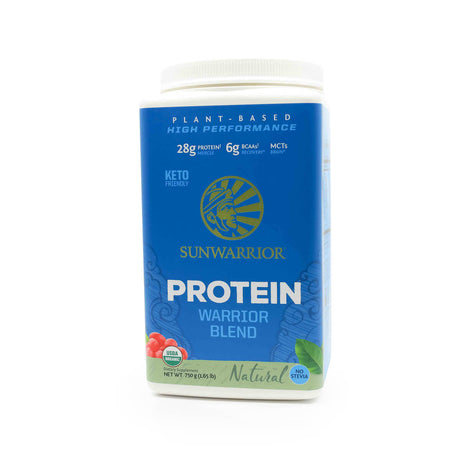
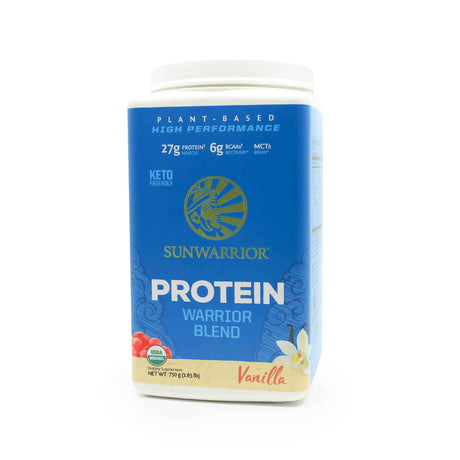
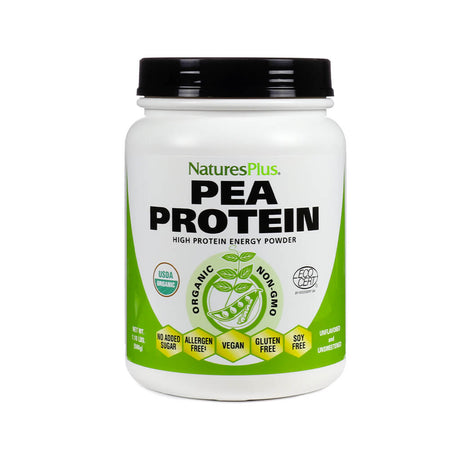
That can be useful if you're vegan, vegetarian, dairy-free, or looking for a non-whey protein powder that fits your routine better. Plant proteins are not all the same. Texture can change a lot from one formula to another, and the amino acid profile can vary too. Blends often taste smoother and give a broader amino acid mix than a single source. For example, Sunwarrior Warrior Blend Organic Vegan Protein uses several protein sources and is grain-free, while NaturesPlus Organic Pea Protein keeps things simple with 15 grams of protein and only 75 calories per serving.
Match the formula to how you'll use it
Not every plant protein powder is meant for the same kind of day. If you want a quick shake after lifting, biking, or a tough class, look for a straightforward protein serving with recovery support. Vega Protein + Recovery Powder is the option in this collection that is specifically positioned for post-workout recovery and daily performance support.
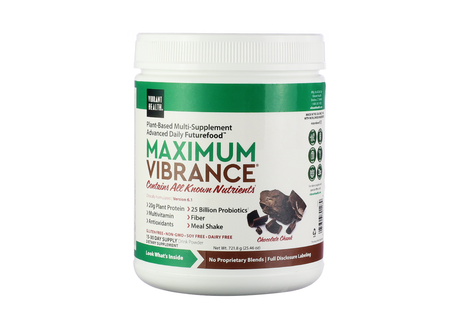
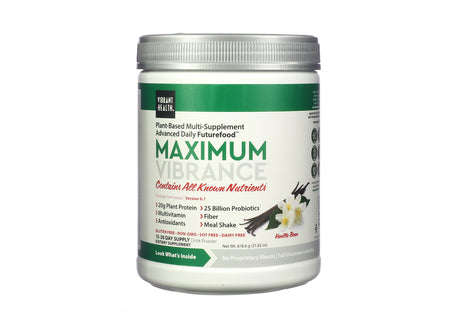
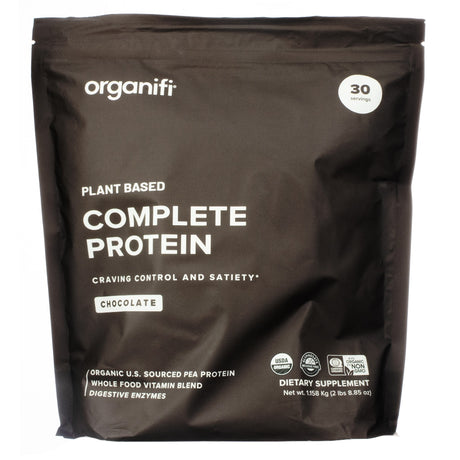
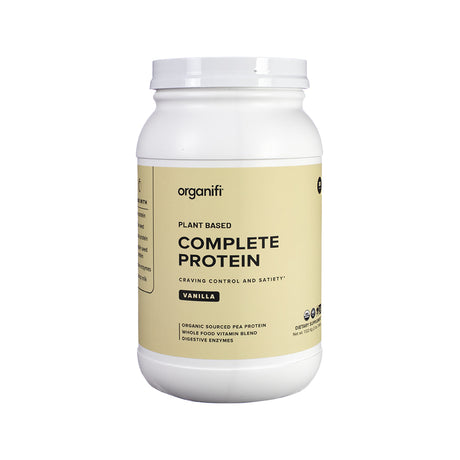
If you want more of a meal-style shake, check what else is in the scoop. Organifi Complete Protein provides 18 grams of plant-based protein plus daily nutritional support. Garden of Life Raw Organic Meal Powder Vanilla is designed as a meal alternative with an organic protein blend, vitamins, and minerals. Vibrant Health Maximum Vibrance is more of a plant-based superfood multivitamin protein shake, with minerals, antioxidants, and protein in one powder.
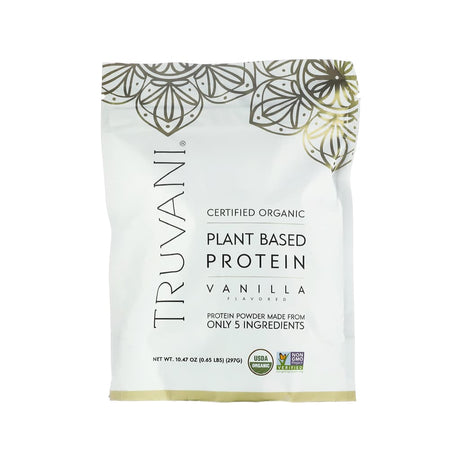
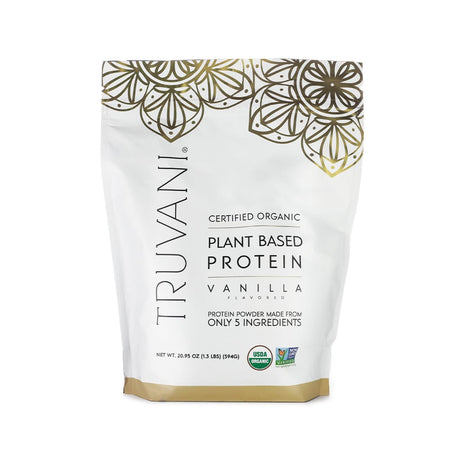
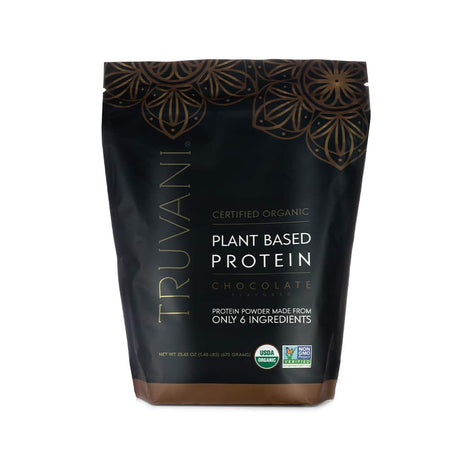
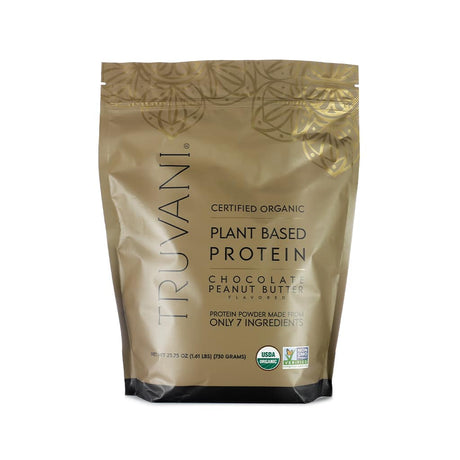
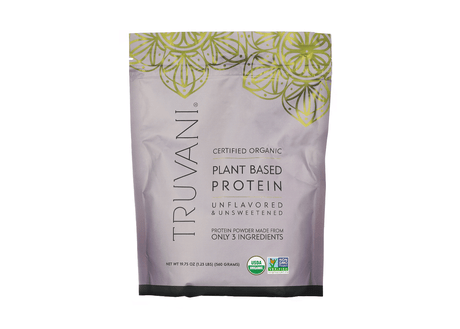
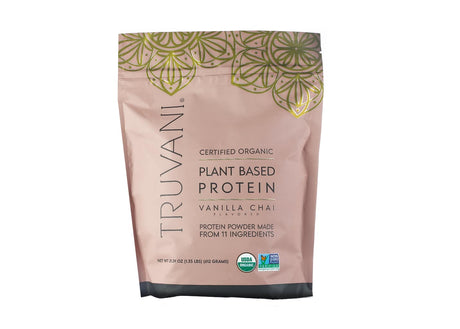
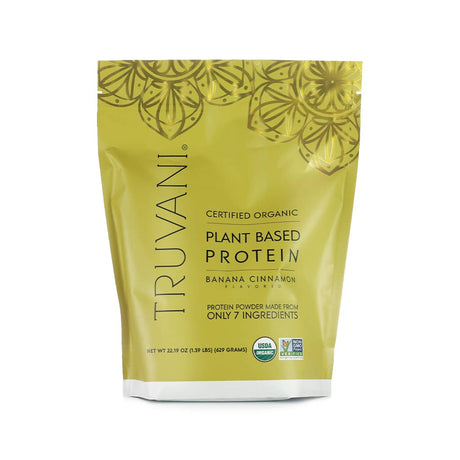
If your top priority is a clean vegan protein powder with a short label, start with Truvani Organic Plant Based Protein Powder. It gives you 20 grams of protein from a small handful of organic ingredients. Customers often ask for it because the texture is smooth without the chalky finish people complain about with some plant proteins.
What to compare before you choose
Start with the protein amount per serving. Many people do well with 15 to 25 grams in a shake, depending on what they ate earlier and how active they are. In this collection, Ancient Nutrition Plant Protein+ and NaturesPlus Organic Pea Protein each list 15 grams, Organifi Complete Protein lists 18 grams, and Truvani Organic Plant Based Protein Powder lists 20 grams. Garden of Life Organic Raw Protein and Greens Lightly Sweet Powder lists 20+ grams plus greens, probiotics, and enzymes.
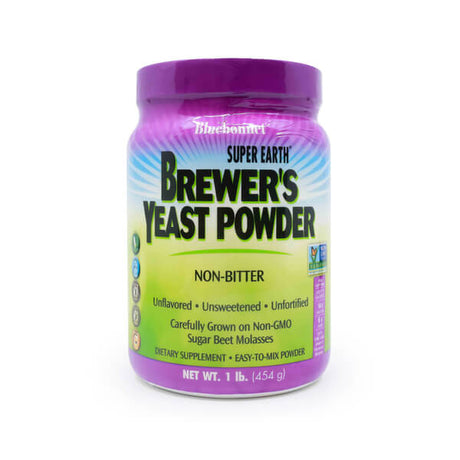
Then look at the format. A basic pea protein is easy to mix into smoothies, oatmeal, or baking. A greens-plus-protein powder, like Garden of Life Organic Raw Protein and Greens, adds plant nutrients alongside protein. Whole Earth & Sea Fermented Organic Greens uses fermented nutrients, which some people prefer for digestive comfort and nutrient absorption support. Bluebonnet Super Earth Brewer's Yeast Powder is a different kind of plant protein add-in, derived from certified non-GMO sugar beet molasses and naturally paired with dietary fiber.
After that, compare sweeteners, flavors, and certifications. If you want an organic vegan protein powder, look at Truvani, Sunwarrior Warrior Blend, Garden of Life Organic Plant Protein Vanilla Powder, or Ancient Nutrition Plant Protein+. If texture bothers you, start with a smaller size or a flavor you already know you like. Vanilla is usually the easiest to blend with fruit, coffee, nut butter, or greens.
Common mistakes we see with vegan protein powders
- Choosing only by grams of protein and ignoring the serving size. A giant scoop is not the same experience as a smaller scoop with the same protein amount.
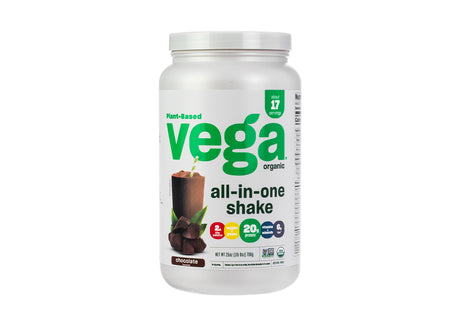
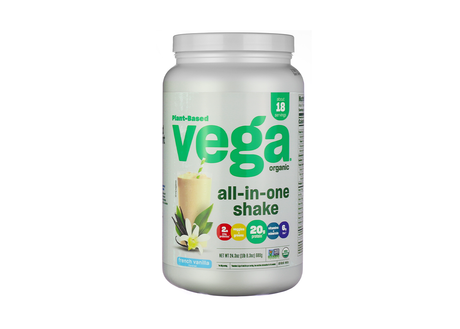
- Using a meal replacement when you only wanted a protein add-on. All-in-one shakes like Vega One All-In-One Shake or Garden of Life Raw Organic Meal can be helpful, but they include more nutrients than a plain protein powder.
- Forgetting about texture. Pea protein can be earthy, greens powders can taste more botanical, and fermented formulas can have a stronger flavor. Blending with banana, berries, or a creamy dairy-free milk can help.
- Assuming plant based means allergy-friendly for everyone. Always check labels for ingredients like seeds, grains, legumes, or sweeteners that may not fit your needs.
Who should check in before adding protein powder?
Most healthy adults can use plant protein powder as a convenient food supplement, but more is not always better. Talk with your healthcare practitioner first if you're pregnant or nursing, shopping for a child, following a medically supervised diet, or managing kidney, liver, or blood sugar concerns. Also check in if you take medications where minerals, fiber, or vitamin K intake needs to stay consistent.
If you want practitioner input, you can learn more about our clinical team at The Healthy Place experts page. For product-level help, our Certified Wellness Consultants can compare labels with you by phone, email, LiveChat, or in our Fitchburg, Sun Prairie, and West Madison stores.
Quick FAQ
Is vegan protein powder complete protein?
Some plant proteins are complete on their own, and others use blends to cover a wider amino acid profile. If you're using protein powder after workouts, start with a blended formula like Sunwarrior Warrior Blend or a higher-protein option like Truvani.
Can I use plant protein powder every day?
Yes. Many people use it daily to help meet protein goals, support fullness, and maintain lean muscle along with exercise. Whole food proteins still matter too, including beans, lentils, tofu, tempeh, nuts, and seeds.
What's the best plant based protein powder for a smoothie?
For a simple smoothie, try Truvani Organic Plant Based Protein Powder or NaturesPlus Organic Pea Protein. For a smoothie that feels more like a meal, consider Organifi Complete Protein or Garden of Life Raw Organic Meal.
These statements have not been evaluated by the Food and Drug Administration. These products are not intended to diagnose, treat, cure, or prevent any disease.


 Start your journey

 Contact Us