What melatonin supplements are meant to do
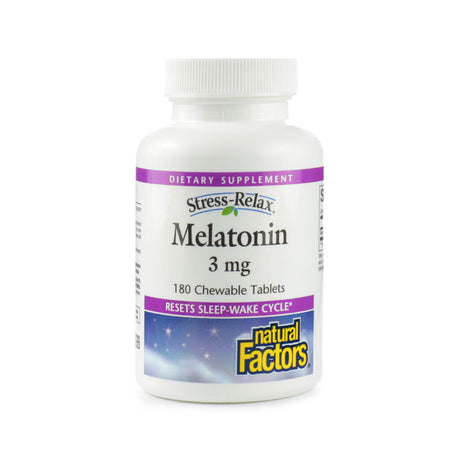
Melatonin is a hormone your body naturally produces in response to darkness. It works as a timing signal, letting the body know it's nighttime. That's why melatonin supplements are typically used to support sleep onset and a healthy circadian rhythm, rather than simply to make you feel drowsy.
If you're trying to keep a more consistent bedtime routine, melatonin may be worth considering. It may also be useful for occasional travel-related schedule changes, late nights, or times when your routine gets thrown off. Products like Pure Encapsulations Melatonin 3mg and Douglas Laboratories Melatonin 1mg Tablets are straightforward options for supporting normal sleep timing.
Who might prefer this category
Melatonin supplements are often chosen by people who feel tired at night but want help getting into a regular sleep routine. They may also make sense for people looking for support during occasional time-zone changes or on evenings when winding down feels harder than usual.
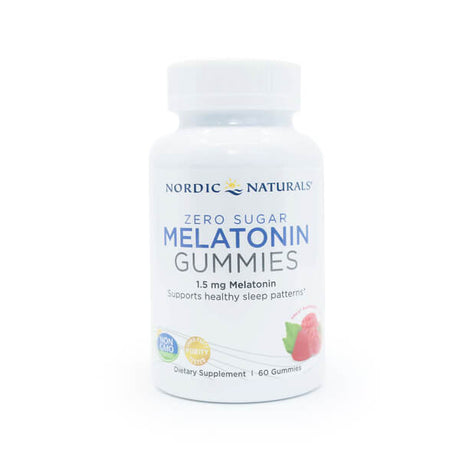
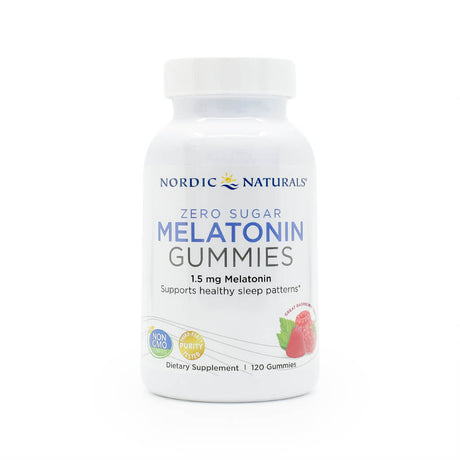
The form you choose can matter. If you want to start low, Utzy Naturals Micro Melatonin Tablets and Pure Encapsulations Melatonin 0.5 Capsules are entry-level options. If you'd rather avoid swallowing capsules, Pure Encapsulations Melatonin Liquid and Solgar Liquid Melatonin 10 mg are liquid choices. Gummies are also common for people who want an easier bedtime format, like MegaFood Melatonin Sleep Gummies or Nordic Naturals Zero Sugar Melatonin Gummies.
How to choose the right melatonin supplement
Start with dose and delivery format. Many people prefer to begin with a lower amount, especially if they're new to melatonin. In this collection, low-dose options include 0.5 mg, 1 mg, and micro-dose products. Higher-strength choices, like Solgar Melatonin 10mg Tablets or Pure Encapsulations Melatonin 20mg, may be a better fit for shoppers who already know they prefer a stronger serving size.
Release style also matters. Standard melatonin is often used for bedtime support and sleep onset. Sustained-release or prolonged-release formulas are made to release melatonin more gradually over time. If that's what you're comparing, look at Pure Encapsulations Melatonin-SR Capsules and Douglas Laboratories Melatonin P.R..
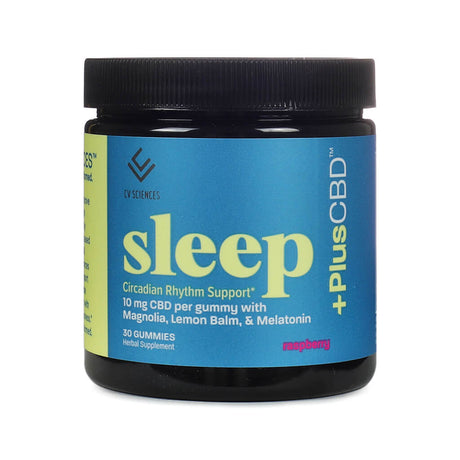
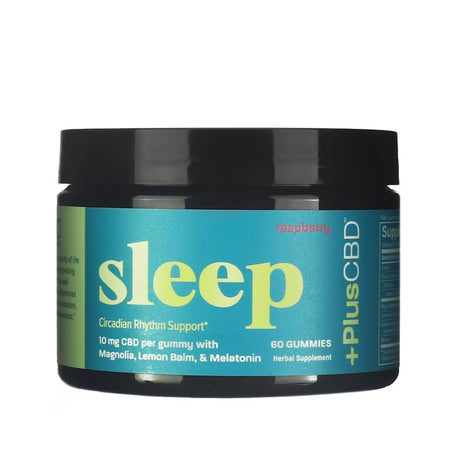
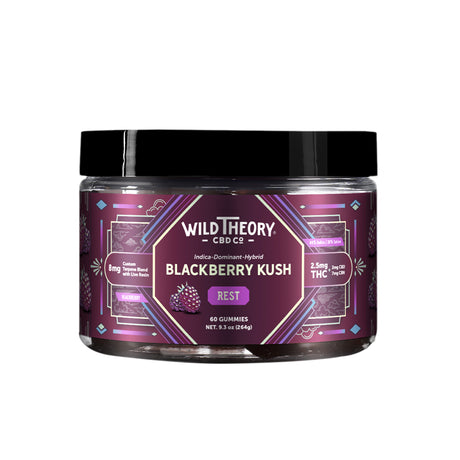
There are also blended formulas. Some products combine melatonin with other ingredients used for relaxation support. Natural Vitality Sleep Gummies combine melatonin with magnesium and L-theanine. Medterra CBD Good Night Capsules and Charlotte's Web Raspberry 10mg Sleep Gummies combine melatonin with hemp-derived ingredients for a broader evening routine approach.
Common buying mistakes
One common mistake is assuming more is always better. In practice, many shoppers do well with a lower dose than they expected. Starting lower can make it easier to see how your body responds before increasing the amount.
Another mistake is overlooking format. A liquid or dissolvable tablet may work better if you want flexible dosing. A gummy may be more convenient if you don't like capsules. A prolonged-release product may be a better fit if you specifically want a slower release profile.
It's also worth checking the full label, not just the front of the bottle. Some products in this collection are pure melatonin, while others include added ingredients for relaxation support. If you want a simple formula, stick with single-ingredient options. If you want a combination product, compare the added ingredients carefully.
Who should talk with a practitioner first
If you are pregnant, nursing, taking prescription medications, managing a health condition, or shopping for a child, it's a good idea to check with a qualified healthcare professional before using melatonin. The same goes if you have questions about combining melatonin with other evening supplements.
If you'd like more personalized guidance, you can reach out through our contact page or learn more about our practitioners at Our Experts. You can also browse our broader sleep support collection if you're comparing melatonin with other bedtime options.
A quick note before you choose
Melatonin supplements are best viewed as tools for supporting healthy sleep timing, bedtime routines, and occasional schedule changes. Start with the format and serving size that feel realistic for you, and give it some consistency before deciding whether it's a fit.
These statements have not been evaluated by the Food and Drug Administration. These products are not intended to diagnose, treat, cure, or prevent any disease.


 Start your journey
 Contact Us