What calcium supplements actually do
Calcium is best known for supporting bones and teeth, and for good reason. Most of the calcium in your body is stored in bone tissue, where it helps maintain structure and strength. Calcium also supports muscle contraction, nerve signaling, and normal cardiovascular function. If your diet is low in dairy, fortified foods, canned fish with bones, or calcium-rich greens, a supplement may help fill that gap.
Not all calcium supplements are the same. Some are made for basic bone support, while others combine calcium with magnesium, vitamin D3, zinc, or trace minerals that help with calcium use. For example, Bluebonnet Calcium Magnesium Citrate Plus Vitamin D3 combines calcium citrate with magnesium and D3, and Solgar Calcium Magnesium Plus Zinc adds zinc for broader mineral support.
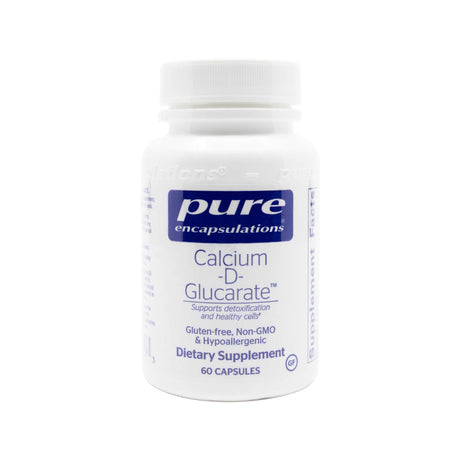
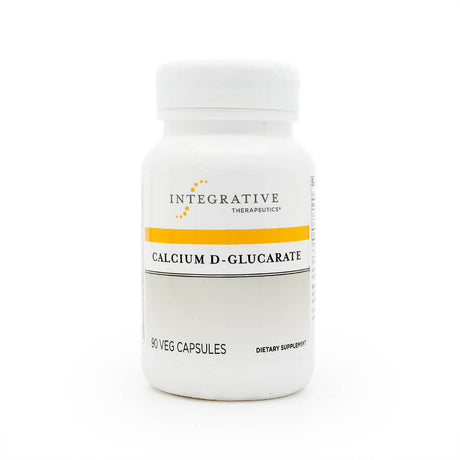
You'll also see products here that serve a different purpose. Pure Encapsulations Calcium-D-Glucarate Capsules and Integrative Therapeutics Calcium D-Glucarate Capsules contain calcium bound to D-glucarate, which is usually chosen for liver and hormone metabolism support rather than as a main way to increase calcium intake. That's easy to overlook if you're shopping quickly.
Who might benefit from a calcium supplement
Calcium supplements are often useful for people with inconsistent dietary intake, people avoiding dairy, adults who want added bone support with age, and women looking for a formula that also includes magnesium or vitamin D3. Some people also prefer combination products because they want support for muscle relaxation and mineral balance in one bottle.
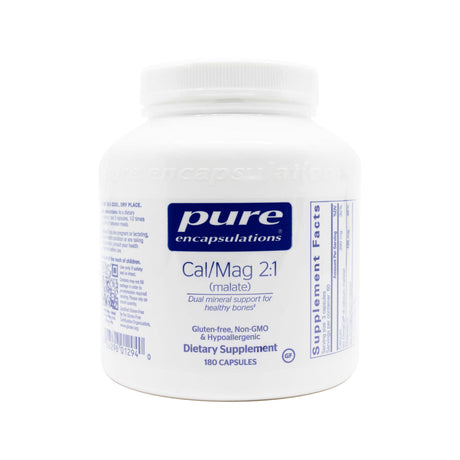
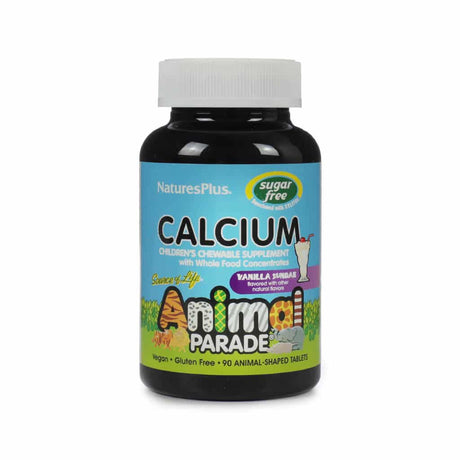
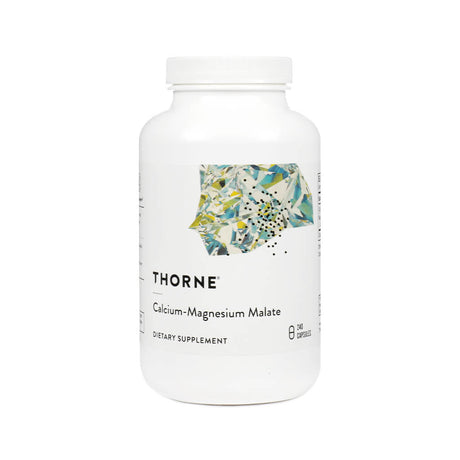
If that sounds familiar, the formula matters. Pure Encapsulations Calcium Magnesium (Citrate) is a practical option for someone who wants calcium plus magnesium in a well-absorbed form. Pure Encapsulations Cal/Mag (Malate) 2:1 Capsules is another option if you want a 2:1 calcium-to-magnesium ratio and malate forms. For kids, Nature's Plus Animal Parade Sugar-Free Calcium Children's Chewables offers a chewable format with 250 mg of calcium and 50 mg of magnesium per serving, which can be easier than tablets.
Some people also prefer a liquid or flavored option because large mineral tablets can be hard to take consistently. Bluebonnet Calcium Magnesium Citrate Plus Vitamin D3 comes in caplets or liquid, which can make a real difference if swallowing pills is the main issue.
How to choose the best calcium supplement for your needs
Start with the form of calcium. Calcium citrate is a common choice because it's generally easy to absorb and tends to be gentler for many people. If you're looking for a calcium citrate supplement, Solgar Calcium Magnesium Citrate Tablets and Pure Encapsulations Calcium Magnesium (Citrate) are direct fits in this collection. Malate is another well-tolerated form, and Pure Encapsulations Cal/Mag (Malate) 2:1 is a good example.
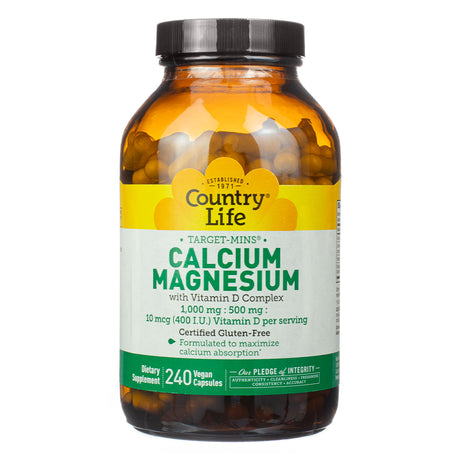
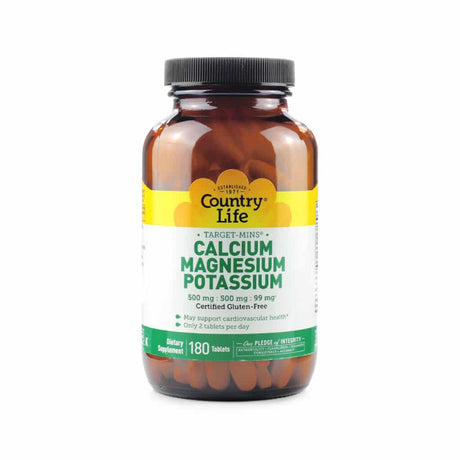
Next, decide whether you want calcium by itself or in a combination formula. Magnesium is a common pairing because it supports muscle, nerve, and bone health, and many people want both minerals in one product. If that's what you're after, look at Bluebonnet Calcium Magnesium Citrate Plus Vitamin D3, Solgar Calcium Magnesium with Vitamin D3, Country Life Calcium Magnesium with Vitamin D Complex, or MegaFood Calcium and Magnesium Tablets.
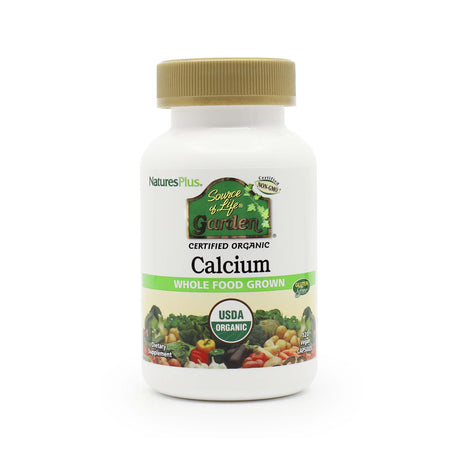
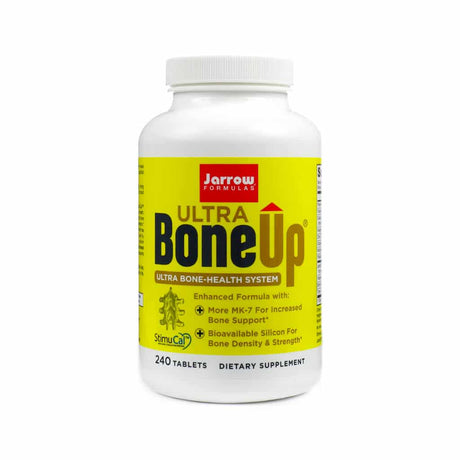
Vitamin D3 is another useful addition because it helps your body absorb and use calcium. If your main goal is bone support and you don't already take a separate vitamin D, a formula with D3 may make sense. Zinc can also be useful in a broader mineral formula, like Solgar Calcium Magnesium Plus Zinc. If you prefer plant-based or marine-derived ingredients, Nature's Plus Source of Life Garden Calcium with AlgaeCal Capsules and Solgar Oceanic Silica 25mg Capsules offer an alternative to standard mineral salts.
Format matters too. Tablets often provide more minerals per serving, but capsules, chewables, and liquids are easier for some people to take regularly. In practice, the best calcium supplement is usually the one you'll keep using consistently.
Common mistakes people make when buying calcium
One of the most common mistakes is choosing based only on the word "calcium" on the front label. As noted above, calcium D-glucarate products are not the same as standard bone support formulas. They may be useful in the right context, but they are not interchangeable with calcium citrate or calcium-magnesium blends.
Another issue is missing the full serving size. Mineral formulas sometimes require multiple capsules or tablets per day to reach the listed amount. It's worth checking before you order, especially if you want a lower-pill routine.
People also sometimes stack products without realizing it. If you're already taking a multivitamin, a bone formula, and a separate vitamin D, check the totals so you're not taking more than you planned. If you want to compare related mineral options, you can also browse our magnesium collection.
Who should talk to a practitioner first
If you have a history of kidney concerns, take prescription medications, are pregnant or nursing, or are trying to build a more targeted bone support plan, it's a good idea to check with a qualified practitioner before adding a calcium supplement. The same applies to parents choosing supplements for children, even with kid-friendly products.
If you'd like more personalized guidance, you can reach out through our contact page or learn more about our practitioners at our experts. These statements have not been evaluated by the Food and Drug Administration. These products are not intended to diagnose, treat, cure, or prevent any disease.




 Start your journey
 Sold out
 Contact Us