What kid-safe essential oils actually mean
"Kid-safe" does not mean every oil is right for every child, every age, or every use. It usually means the oil or blend is considered a gentler option for children when used correctly, especially for diffusion or very well-diluted topical use. That matters because kids are smaller, their skin can be more sensitive, and strong aromas can be too much.
Most families shopping this collection want aromatherapy for kids that supports calm, rest, focus, or seasonal comfort. A few good examples on this page are Plant Therapy Calming the Child KidSafe Essential Oil, which is designed for a tranquil atmosphere, and Plant Therapy Organic Lavender Essential Oil, a classic choice for relaxation and a calming bedtime routine. If you want a softer floral option, Plant Therapy Organic Chamomile Roman Essential Oil is often used for winding down before naps or bedtime.
For a simple family aromatherapy shelf, lavender is usually a good place to start for most toddlers. Chamomile can be a useful addition if your child seems especially sensitive to stimulation or has trouble settling down. For school-age kids, spearmint or a cheerful citrus often fits daytime use better.
How to choose the right oil for your child's needs
The easiest way to shop is by the kind of support you want, not by trying to memorize every oil. Lavender and chamomile are common starting points because the aromas are familiar, gentle, and easy to work into evening routines. Plant Therapy Organic Lavender Fine Essential Oil has a slightly more refined aroma than standard lavender, while Roman chamomile tends to smell softer and more comforting.
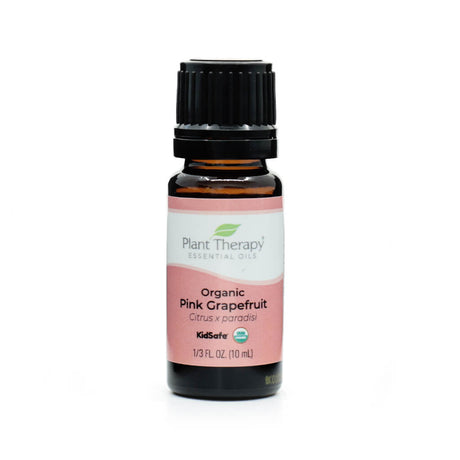
For daytime mood support or a room that feels a little brighter, citrus oils are popular. Plant Therapy Organic Sweet Orange Essential Oil and Plant Therapy Organic Tangerine Essential Oil are good options for a cheerful, uplifting scent. If you want something fresh for homework time or afternoon sluggishness, Plant Therapy Organic Spearmint Essential Oil is often easier for kids than stronger mint oils and may help support focus and digestive comfort.
Blends can simplify things too. Plant Therapy Immune Boom KidSafe Essential Oil is a seasonal favorite for families who want an easy diffuser blend during times of extra sniffles or indoor crowding. And Plant Therapy Get 'Em Gone KidSafe Essential Oil is a specific choice for school-season scalp concerns and hair care support.
For toddlers, lavender is usually the easiest place to begin. For school-age kids, Calming the Child works well for evenings and spearmint is a common daytime pick. For teens, citrus plus lavender is often a simple combination that feels age-neutral.
Real buying guidance, dilution, and diffuser timing
This is where many people get tripped up. The best oil is not always the strongest one. It is the one your child tolerates well and that you can use consistently.
- Start short with diffusion. Try 15 to 30 minutes in a well-ventilated room, then turn the diffuser off and see how your child responds.
- For bedtime, many families do well diffusing lavender, chamomile, or Calming the Child about 20 to 30 minutes before sleep instead of running a diffuser all night.
- For younger kids, less is better. One or two drops in a diffuser is often enough for a bedroom or playroom.
- For topical use, always dilute in a carrier oil first. A practical starting point is about 0.25% to 0.5% for toddlers, roughly 1 drop per 2 to 4 teaspoons of carrier oil. For school-age kids, around 0.5% to 1% is a common cautious range, roughly 1 drop per 1 to 2 teaspoons. For teens, you may be able to use somewhat more depending on the oil and the situation, but it still makes sense to start low.
Citrus oils like lemon, sweet orange, and tangerine smell great, but they are usually better for daytime than bedtime. Spearmint is another daytime option. Lavender and chamomile are more often used in the evening. Cedarwood can fit bedtime routines too, especially if your family prefers woodsy scents over floral ones.
Common mistakes parents make
One common mistake is assuming all essential oils for kids are interchangeable. They are not. Lavender is a broad, flexible option for calm and skin comfort. Chamomile is usually the gentler emotional-support choice. Citrus oils are bright and cheerful, but not usually the first pick if your main goal is sleep. Spearmint is the better mint option for many families with children because it is gentler than stronger mint oils.
Another mistake is using too much. More drops do not automatically mean more benefit. Strong aromas can be overwhelming, especially in small bedrooms, cars, or classrooms. It also helps to introduce one new oil at a time so you can tell what your child actually likes and tolerates.
And don't forget the setting. Diffusing around children is different from using oils around pets, and not every household setup is the same. If you also need options for the whole home, you may want to browse our essential oils collection for additional single oils and blends.
Who should talk with a healthcare professional first
Please check with your pediatrician or another qualified healthcare professional before using essential oils for babies, for children with asthma or reactive airways, for kids with seizure disorders, for children with very sensitive skin, or if your child takes medications and you are planning regular topical use. It is also a good idea to get personalized guidance before using essential oils near the face, in the bath, or in a diffuser for long stretches.
Essential oils should be kept out of reach, never used internally unless a qualified professional specifically directs you, and stopped right away if they seem irritating. If you want more individualized help, you can reach out through our contact page or learn more about our practitioners at Our Experts.
These statements have not been evaluated by the Food and Drug Administration. These products are not intended to diagnose, treat, cure, or prevent any disease.