What essential oils are, and what they actually do
Essential oils are highly concentrated aromatic compounds distilled or pressed from plants. They are used in very small amounts, a few drops in a diffuser, mixed into a carrier oil for topical use, or added to DIY home care recipes. They are not the same as fragrance oils. Real essential oils come from the plant itself, and people choose them for both aroma and traditional wellness uses.
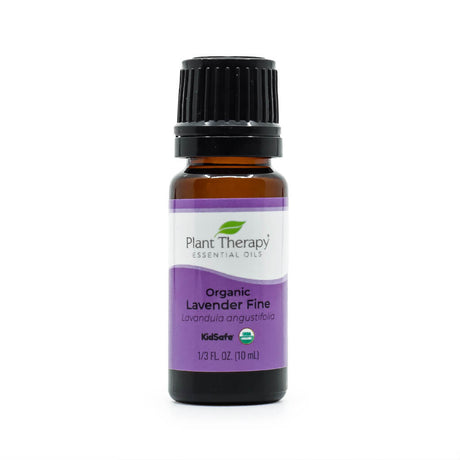
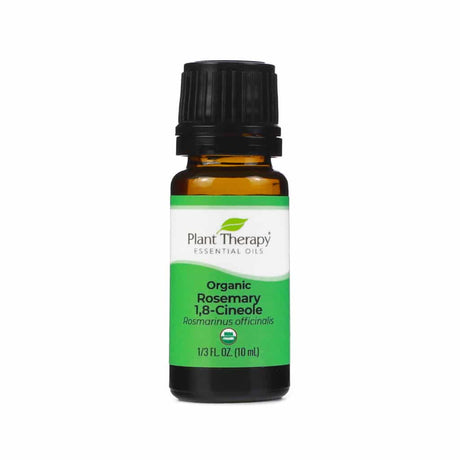
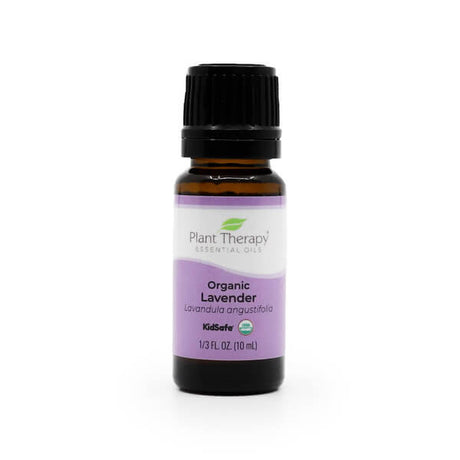
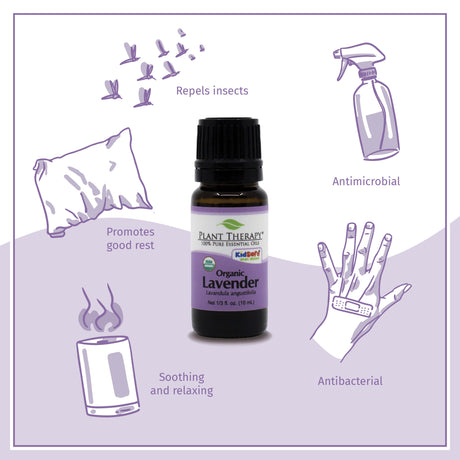
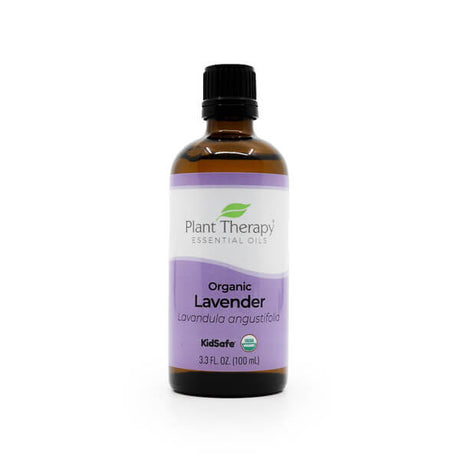
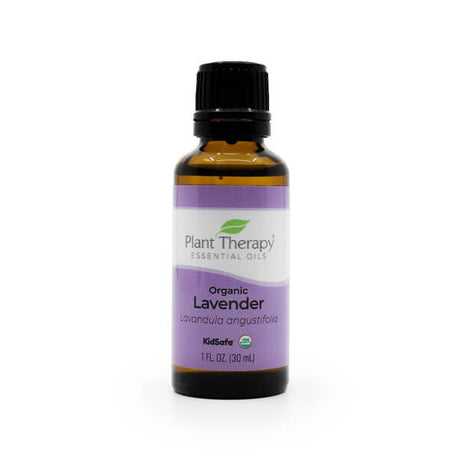
Most people shop this category for a few practical reasons: a calmer evening routine, better focus while working, a fresher scent in the house, or support for everyday respiratory comfort, muscle comfort, or skin care. For example, Plant Therapy Organic Lavender Fine Essential Oil is a classic choice for relaxation and winding down. Plant Therapy Organic Rosemary 1,8-Cineol Essential Oil is a common pick for mental alertness and a more invigorating aroma.
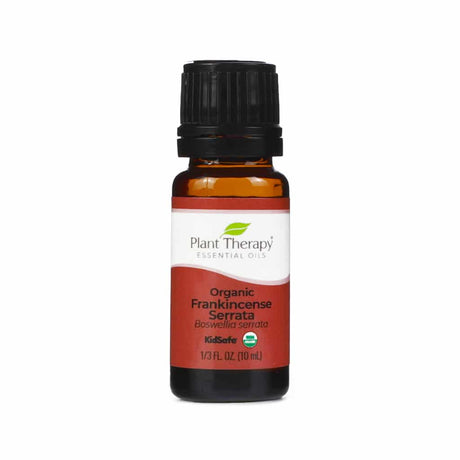
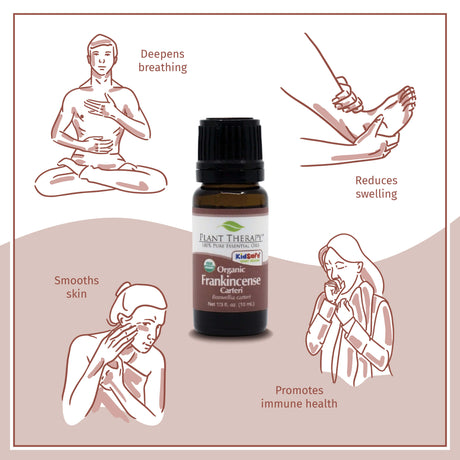
You will also notice that species and chemotypes matter. That is not just label detail. It affects how an oil smells and how people usually use it. Rosemary labeled "1,8-cineol" is different from other rosemary types. Frankincense serrata and frankincense carterii are both frankincense, but they have slightly different aromatic profiles and traditional uses. If you have ever bought an oil online and thought, "Wait, this is not what I expected," that is usually why.
How shoppers usually use this category
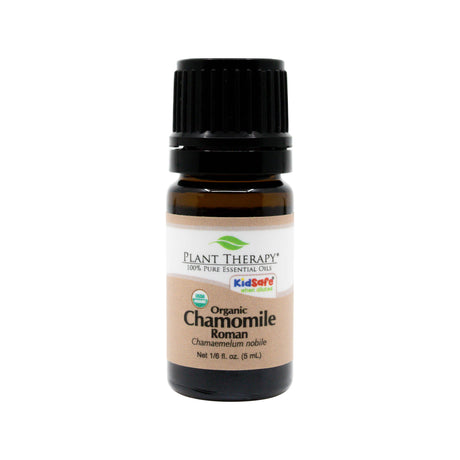
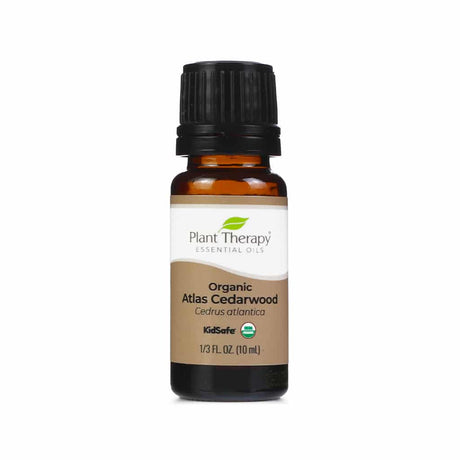
For stress support and sleep routines, common starting points are lavender, chamomile, cedarwood, sandalwood, and frankincense. Plant Therapy Organic Chamomile Roman Essential Oil is a good example of a softer, bedtime-friendly oil, especially if floral lavender is not your favorite. Plant Therapy Organic Cedarwood Essential Oil has a warmer, woodsy scent that many people like in evening diffuser blends.
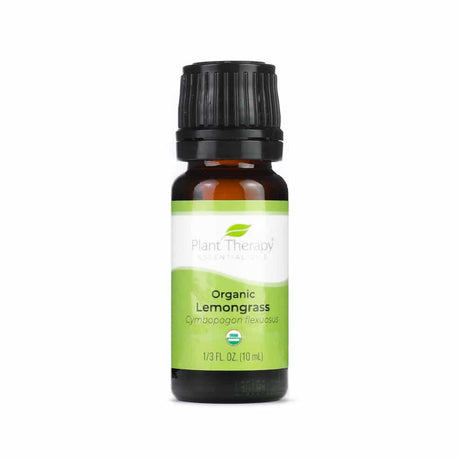
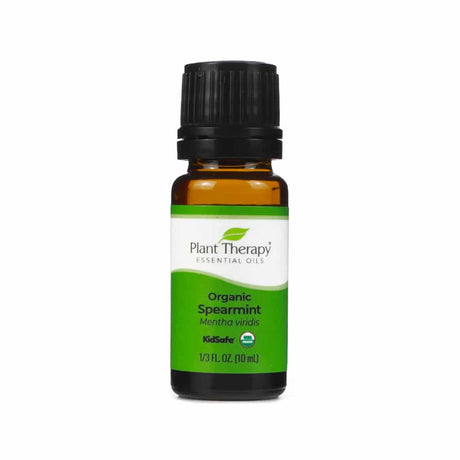
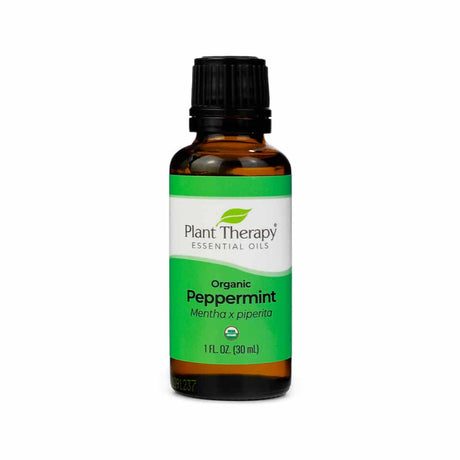
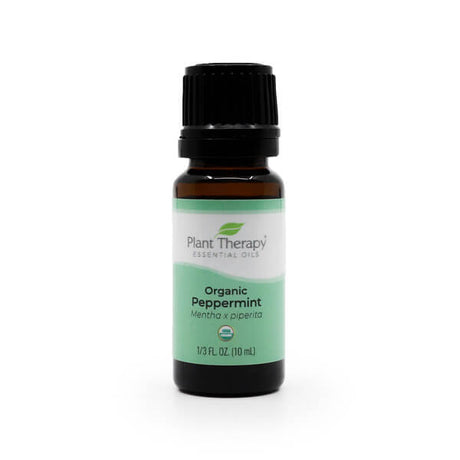
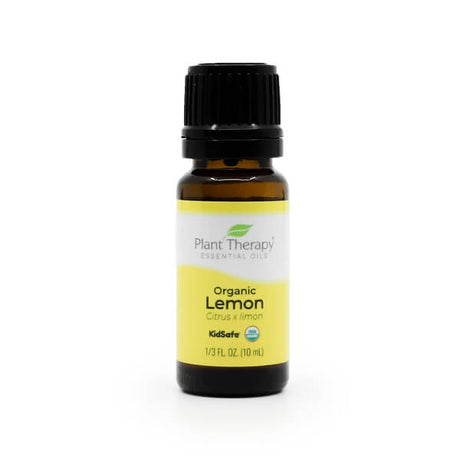
For focus or a more upbeat daytime blend, rosemary, tangerine, lemongrass, and spearmint are common picks. Plant Therapy Organic Tangerine Essential Oil has a bright aroma that feels less sharp than lemon. Plant Therapy Organic Spearmint Essential Oil is often a better fit than peppermint for families who want a gentler mint profile.
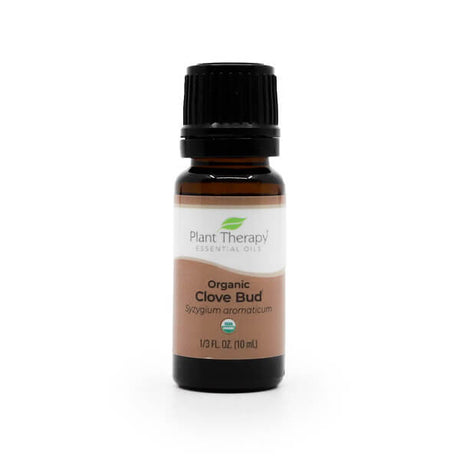
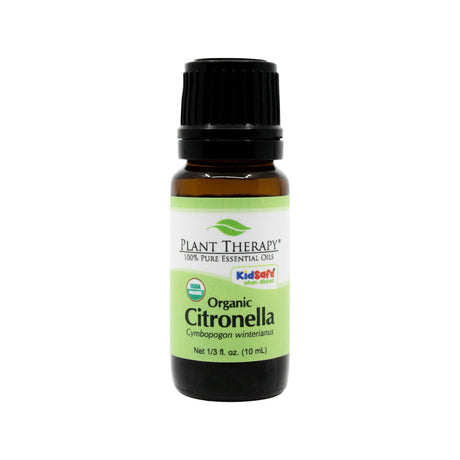
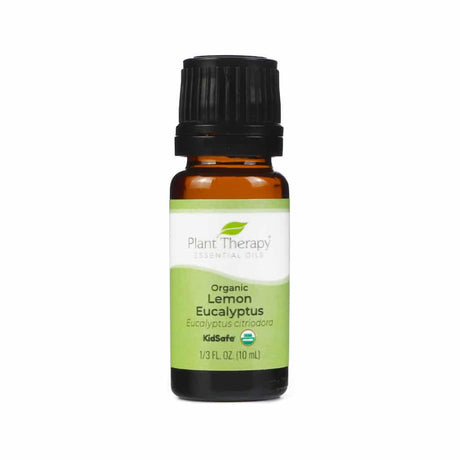
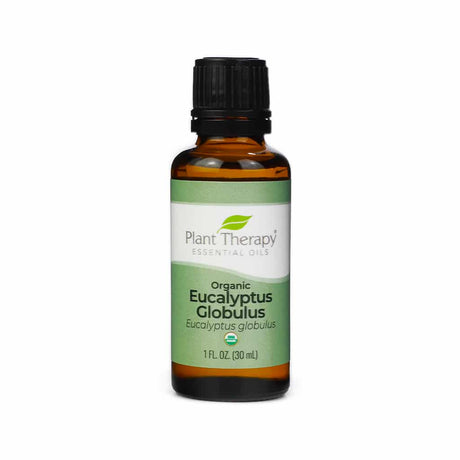
For seasonal home use, shoppers often look at clove, frankincense, rosemary, and oils from the eucalyptus family. Plant Therapy Organic Lemon Eucalyptus Essential Oil is worth reading closely because it is not the same as a typical eucalyptus oil. It has a sweeter, lemony aroma, and people often choose it for outdoor blends and fresh-air diffuser use. Citronella fits that same practical, around-the-house category. Plant Therapy Organic Citronella Essential Oil is a familiar warm-weather pick for patios and entryways.
How to choose the right oil for your needs
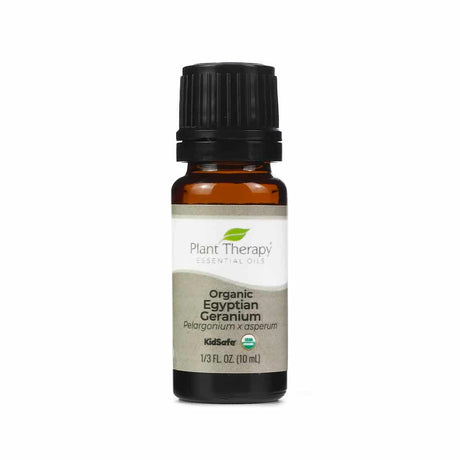
Start with the aroma family. Floral oils like lavender, chamomile, and geranium usually feel softer and more calming. Wood and resin oils like cedarwood, sandalwood, and frankincense feel grounding. Herbaceous oils like rosemary and clary sage are sharper and more stimulating. Citrus oils like tangerine feel bright and uplifting. If you do not like the smell, you probably will not use it.
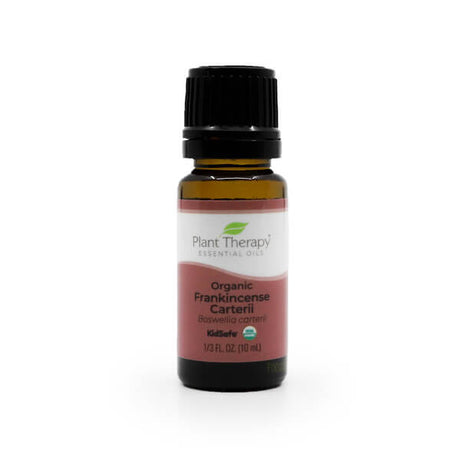
Next, check the exact plant name on the label. Plant Therapy Organic Frankincense Serrata Essential Oil and Plant Therapy Organic Frankincense Carterii Essential Oil are a good example. Both are grounding frankincense oils, but shoppers often prefer carterii for a classic relaxing frankincense aroma, while serrata is a solid option for massage blends aimed at post-exercise comfort. Neither is better across the board. They are simply a little different.
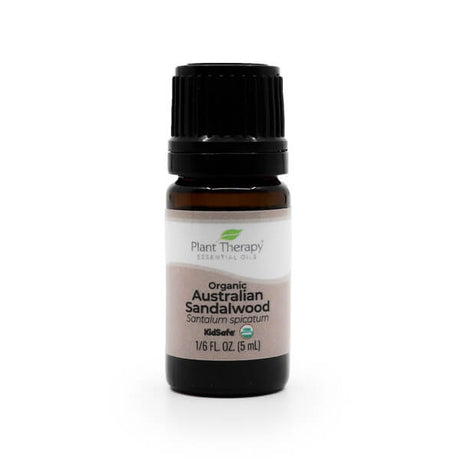
Bottle size matters too. A 5 mL bottle, like chamomile or sandalwood in this collection, makes sense for pricier oils that are used a drop at a time or blended with other oils. A 10 mL bottle is more practical for everyday diffuser staples like lavender, rosemary, lemongrass, or tangerine. If you are diffusing nightly, a 10 mL bottle is a practical place to start. If you are trying a stronger or more specialized oil, 5 mL is often enough.
For diffuser use, a simple starting point is 3 to 5 drops in a small bedroom diffuser, 5 to 8 drops in a medium room, and 8 to 10 drops in a larger open area. More is not always better. If the room smells intense after five minutes, use less next time.
For topical use, always dilute. A simple starting point for most adults is 1% to 2%, which works out to about 6 to 12 drops of essential oil per 1 ounce of carrier oil. For kids, older adults, facial use, or sensitive skin, go lower, around 0.25% to 1%. That means roughly 1 to 6 drops per ounce. Stronger oils like clove, lemongrass, citronella, and some eucalyptus-type oils need extra caution and lower dilution.
Common mistakes people make
One common mistake is buying by benefit claim alone and ignoring scent profile. If you dislike floral oils, do not force yourself into lavender just because it is popular. Cedarwood or frankincense may be a better fit for your evening routine. Another common issue is using too many oils at once. Two oils is plenty for most blends. Lavender plus cedarwood. Tangerine plus spearmint. Rosemary plus frankincense. Keep it simple.
People also mix up "kid-safe" with "use however you want." Even gentler oils still need dilution, smaller diffuser amounts, and common sense around little ones. Organic Spearmint Essential Oil is often chosen instead of peppermint for families, but that does not mean neat application is a good idea.
And watch the skin-use assumptions. Citrusy or spicy oils can be irritating if overused. If you are building a topical blend, patch test first and use a carrier oil every time.
Who should talk to a practitioner first
Please check with a qualified healthcare provider before using essential oils if you are pregnant, nursing, using them on infants or very young children, have asthma or significant fragrance sensitivity, have a seizure disorder, or take medications that make you extra sensitive to topical products. If you have ongoing skin issues, avoid experimenting on irritated or broken skin.
Clove, lemongrass, citronella, rosemary, and clary sage deserve extra caution because they can feel strong on skin or in the air for sensitive users. Keep oils away from eyes, mucous membranes, and pets' favorite resting spots. Diffuse in a well-ventilated room, and stop if an aroma gives you a headache, coughing, or nausea.
If you want more personalized help, you can reach out to our team or learn more about practitioner support on our experts page. These statements have not been evaluated by the Food and Drug Administration. These products are not intended to diagnose, treat, cure, or prevent any disease.


 Start your journey
 Contact Us