What digestive enzymes do
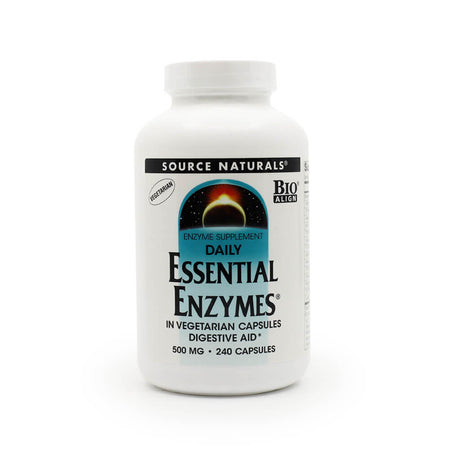
Digestive enzymes are proteins that break food into smaller pieces your body can absorb. Each enzyme has a different job. Protease breaks down protein, amylase works on carbohydrates, lipase helps with fats, cellulase helps with plant fibers, and lactase supports digestion of dairy sugar. If meals tend to leave you feeling overly full, gassy, or uncomfortable, a digestive enzyme supplement may help support smoother digestion and nutrient absorption.*
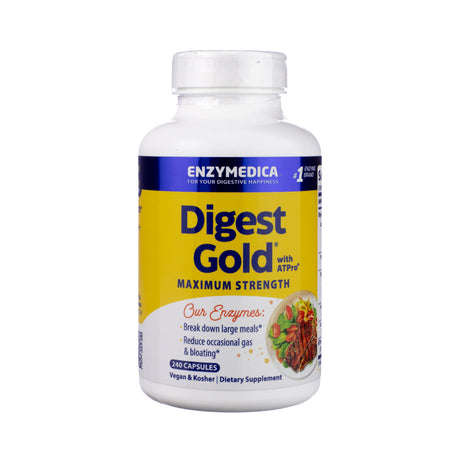
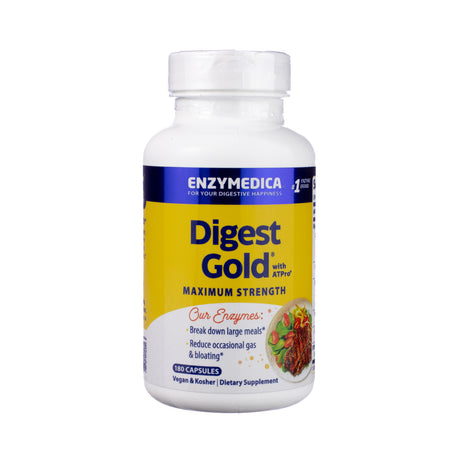
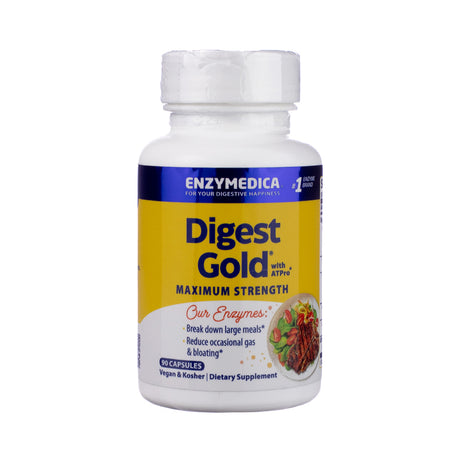
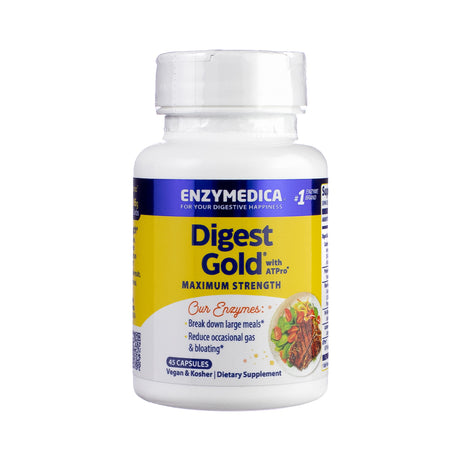
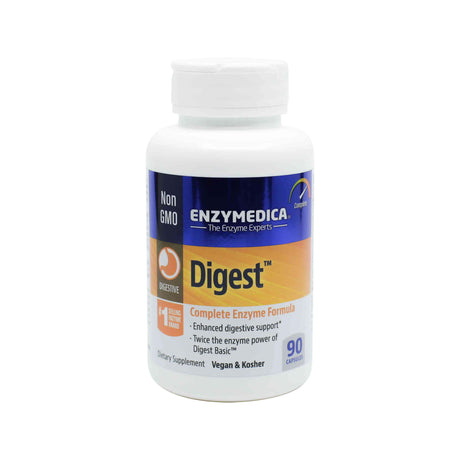
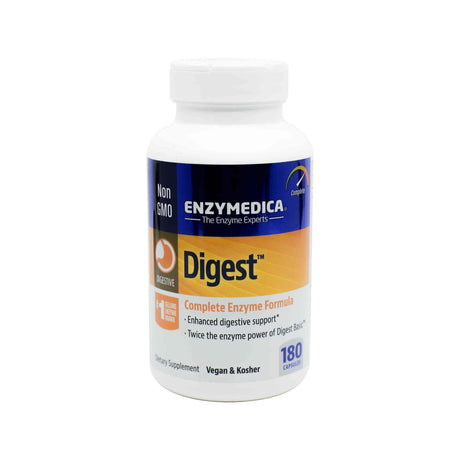
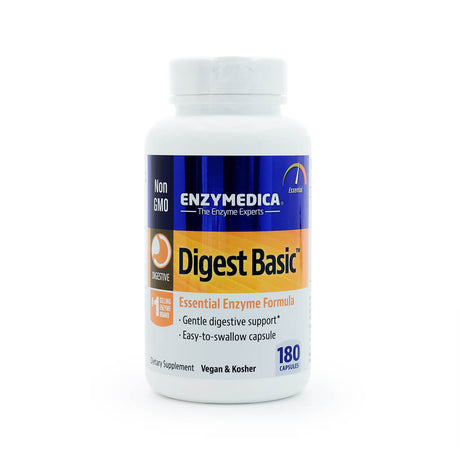
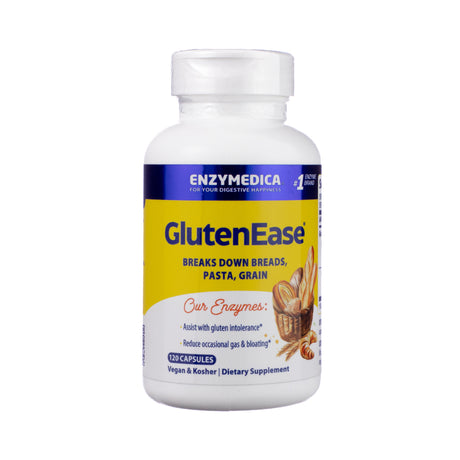
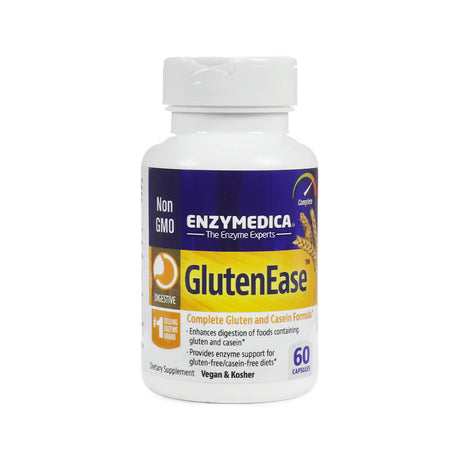
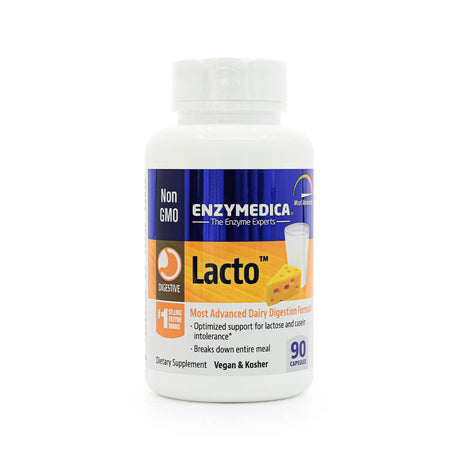
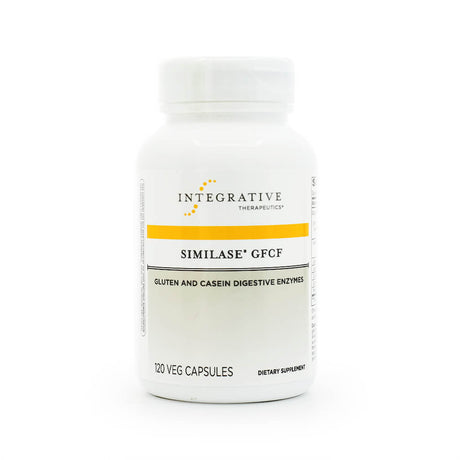
Not every product here does the same thing. Enzymedica Digest is more of an everyday broad formula for proteins, fats, carbs, and fiber. Enzymedica Digest Gold With ATPro is a stronger broad-spectrum option that a lot of people use for heavier meals. Then there are more targeted picks like Enzymedica Lacto Capsules for dairy digestion support, or Enzymedica GlutenEase for meals that contain gluten and casein.*
Who might want a digestive enzyme supplement
We usually point people to this category when the issue seems tied to meals, not random symptoms all day. Maybe dairy-heavy foods are the main problem. Maybe rich restaurant meals sit like a brick. Maybe beans, vegetables, or mixed meals leave you bloated afterward. When you start noticing that kind of pattern, it gets a lot easier to pick the right product.
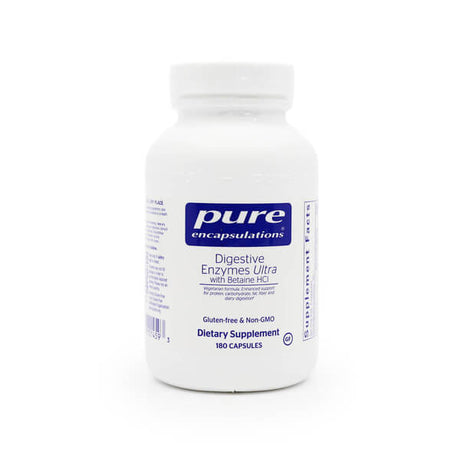
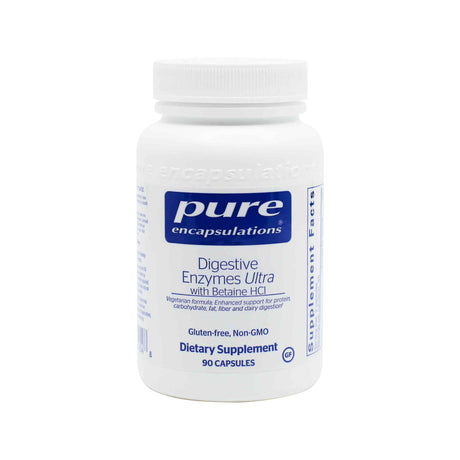
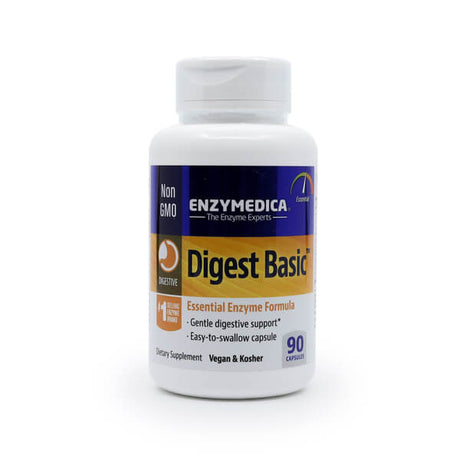
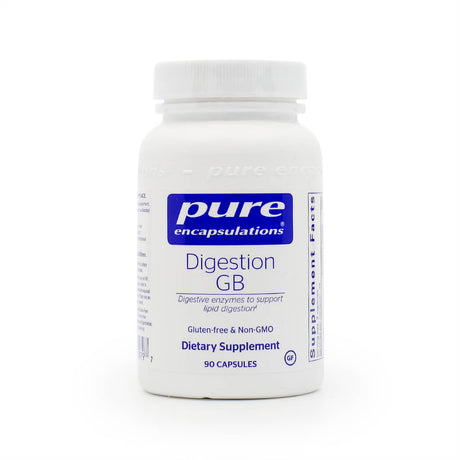
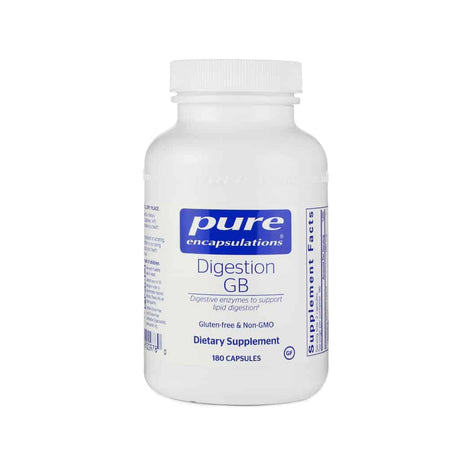
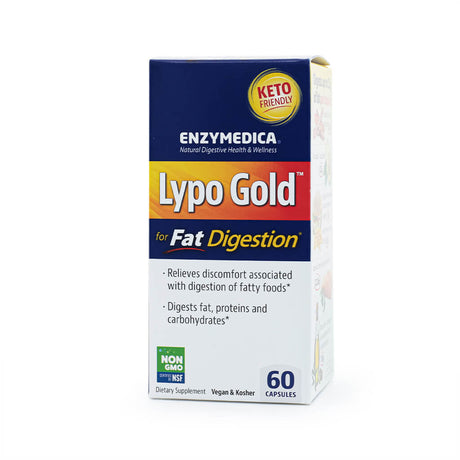
If you want broader support with meals in general, a full-spectrum formula usually makes the most sense. Enzymedica Digest Basic is a gentler place to start for sensitive stomachs. Pure Encapsulations Digestive Enzymes Ultra with Betaine HCl is a more robust option for people who feel like heavier meals are the bigger issue. If fat digestion is your main concern, Pure Encapsulations Digestion GB is worth a look because it combines enzymes with herbal support aimed at fat breakdown.*
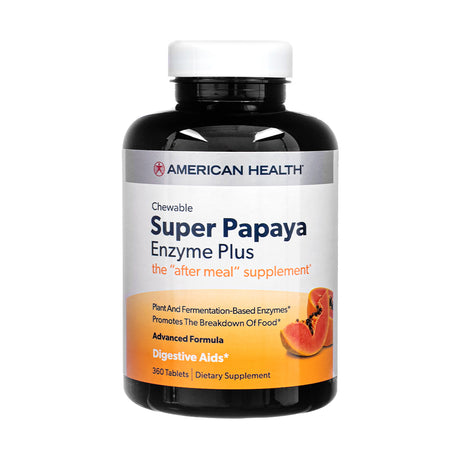
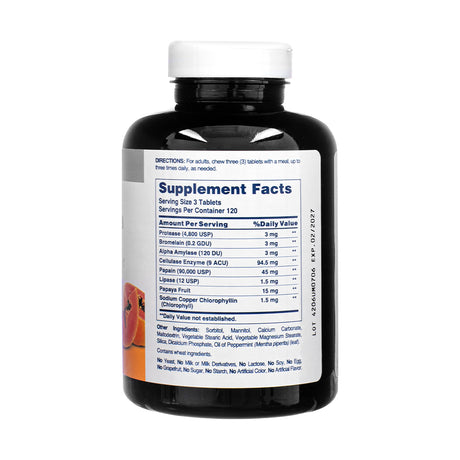
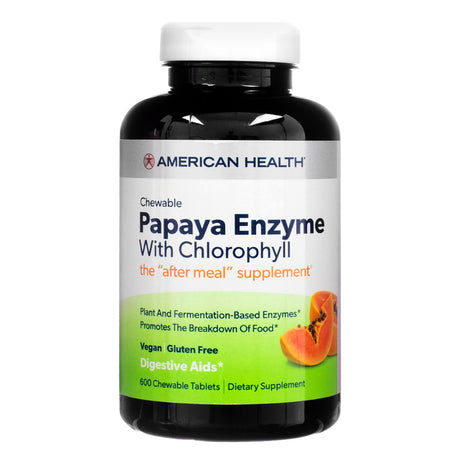
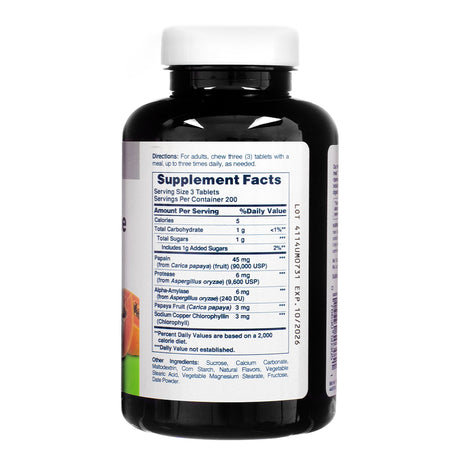
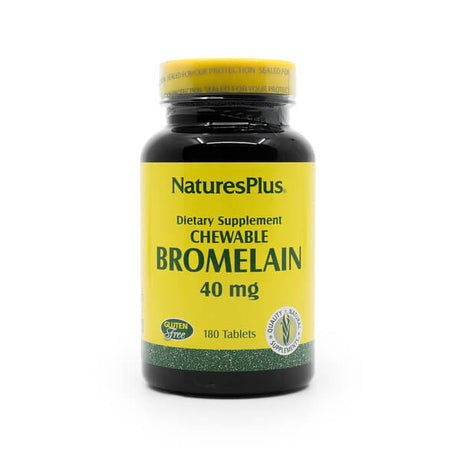
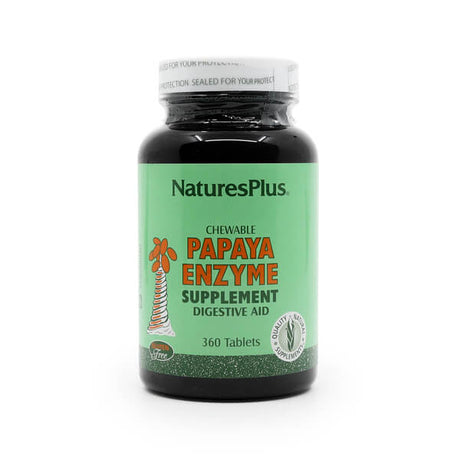
Some people would rather use chewables after meals instead of capsules before meals. That's where papaya and bromelain products can be useful. American Health Super Papaya Enzyme Plus Tablets and NaturesPlus Papaya Enzyme Chewable Tablets are simple, lower-commitment options if you want something easy to use after eating.*
How to choose the best digestive enzymes for your needs
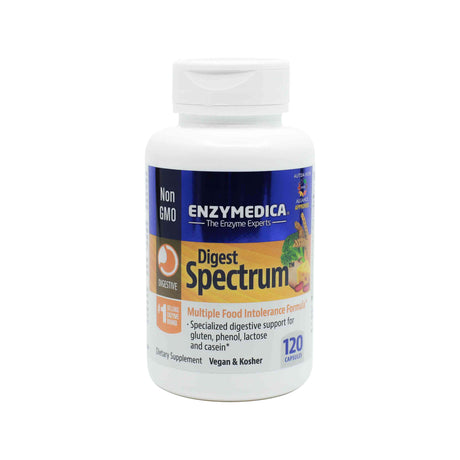
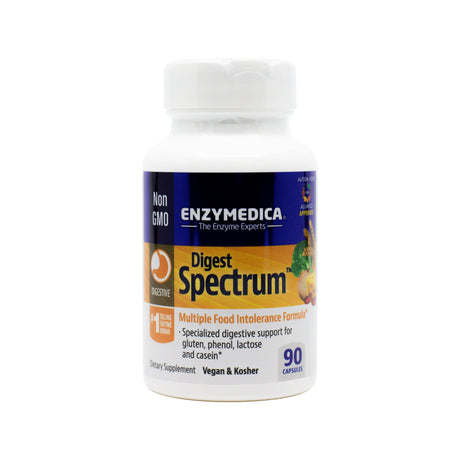
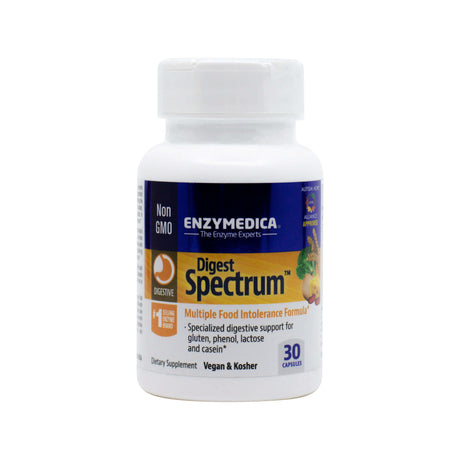
Start by matching the formula to the food. If dairy is the obvious trigger, a targeted product usually makes more sense than a random broad blend. Enzymedica Lacto Capsules focuses on lactose and casein. If gluten-containing meals are the issue, Enzymedica GlutenEase or Enzymedica Digest Spectrum may be a better fit, especially if you also notice trouble with beans, vegetables, or phenol-containing foods.*
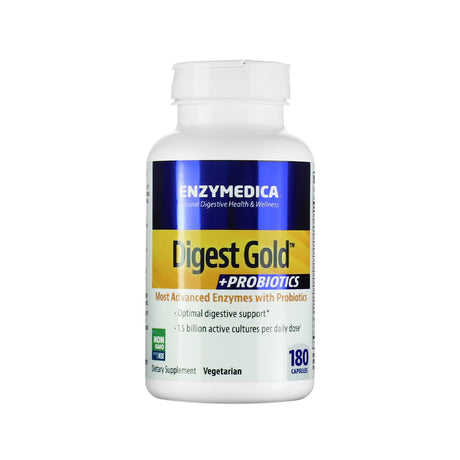
Then look at strength. Enzyme labels often list activity units instead of milligrams because enzymes are measured by what they do, not just how much powder is in the capsule. You might see units like HUT for protease, FIP for lipase, ALU for alpha-galactosidase, or FCC-style lactase units. Higher numbers are not automatically better, but they do help when you're comparing formulas within the same enzyme type. In plain English, Digest Gold is generally positioned as a stronger formula than Digest Basic, and a targeted product like Lacto usually makes more sense than a general blend if dairy is the main problem.
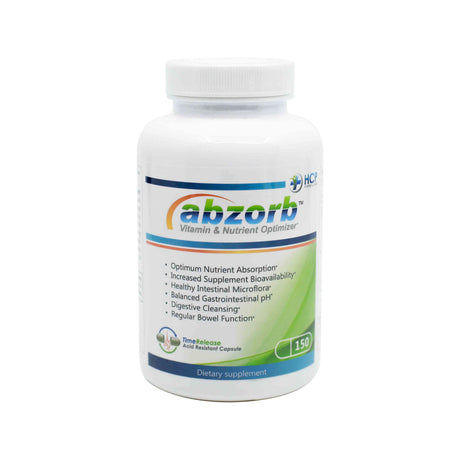
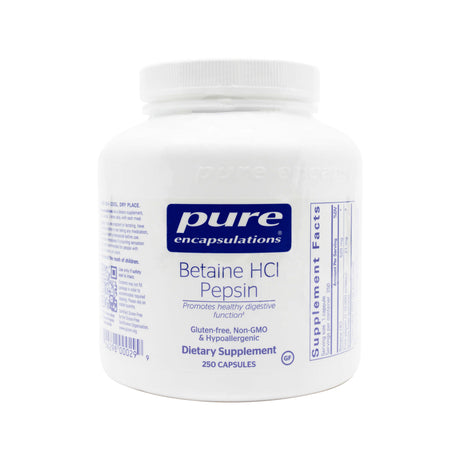
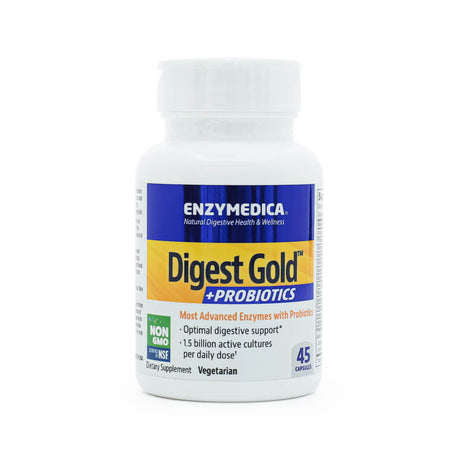
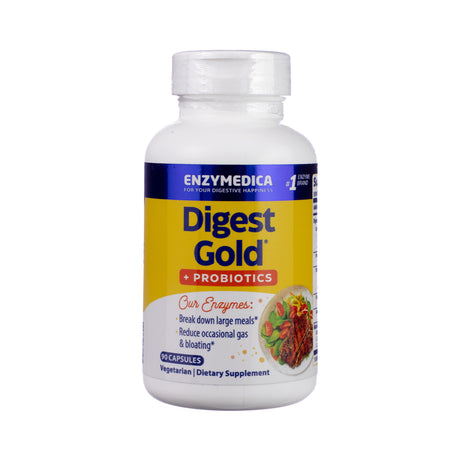
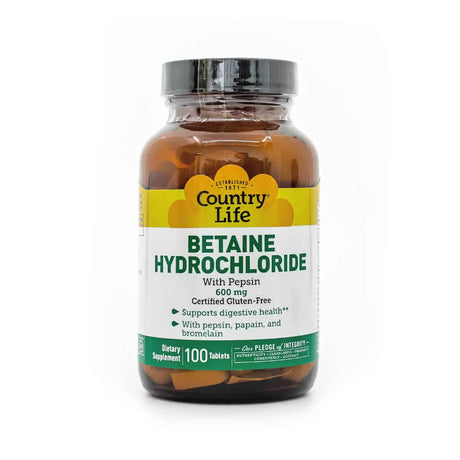
It's also worth checking what else is in the formula. Pure Encapsulations Betaine HCl Pepsin Capsules adds betaine HCl and pepsin, which are different from plant-based enzyme blends and may be considered when protein-heavy meals feel hard to digest. Enzymedica Digest Gold + Probiotics combines enzymes with probiotics, which can make sense for people who want meal support and microbiome support in one product. HCP Formulas Abzorb Vitamin and Nutrient Optimizer Capsules also goes beyond enzymes by combining digestive support with probiotics and ingredients aimed at nutrient absorption.*
Timing matters. Most capsule enzymes work best right before a meal or with the first few bites. Chewable papaya products are often used during or after meals. If a product contains betaine HCl, pay close attention to label directions and your own tolerance.
Common mistakes people make
The biggest mistake is buying a formula that doesn't match the problem. If cheese and ice cream are the issue, start with a dairy-focused product. If the problem is broader and happens with mixed meals, use a broad-spectrum enzyme. Pretty simple, but people miss that step all the time.
Another mistake is assuming "more" always means "better." A very high-potency formula can be great for large or rich meals, but it may be more than you need for a light lunch. I'd usually start with the pattern of your symptoms and the size of your meals, then move up only if needed.
One more thing, digestive discomfort that is new, persistent, getting worse, or not clearly linked to food should not be brushed off as "I just need enzymes." That's the point where it's time to stop guessing.
Who should talk to a practitioner first
Please talk with a qualified healthcare professional before self-managing digestive symptoms if you have ongoing abdominal pain, trouble swallowing, vomiting, black stools, blood in the stool, unexplained weight loss, persistent diarrhea, persistent constipation, or symptoms that wake you up at night. Those are not situations for casual supplement trial and error.
You should also check in first if you are pregnant or nursing, if a child will be using the product, if you use acid-reducing medication, or if you're considering a formula with betaine HCl or pepsin, such as Pure Encapsulations Betaine HCl Pepsin Capsules. If you're not sure where to start, you can reach out through our contact page or learn more about practitioner support on our experts page.
These statements have not been evaluated by the Food and Drug Administration. These products are not intended to diagnose, treat, cure, or prevent any disease.




 Start your journey
 Contact Us