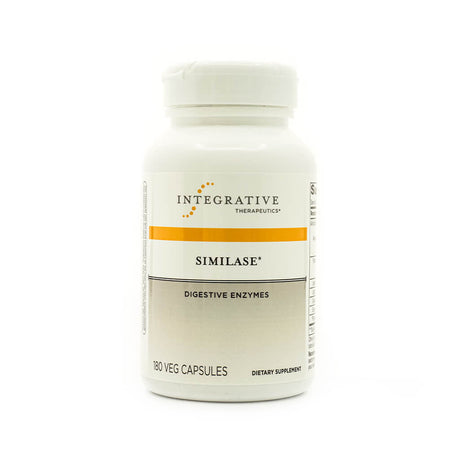
What digestive enzymes do
Digestive enzymes are proteins that break food into smaller pieces your body can absorb. Each enzyme has a different job. If meals tend to sit heavy or feel like more work than they should be, a digestive enzyme supplement may help support smoother digestion and nutrient absorption.*
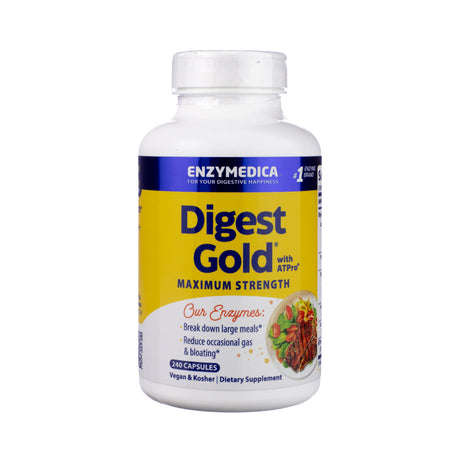
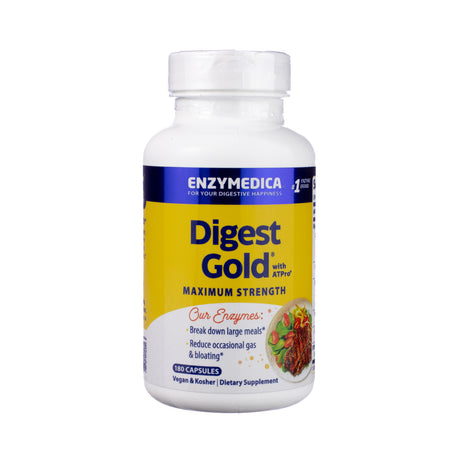
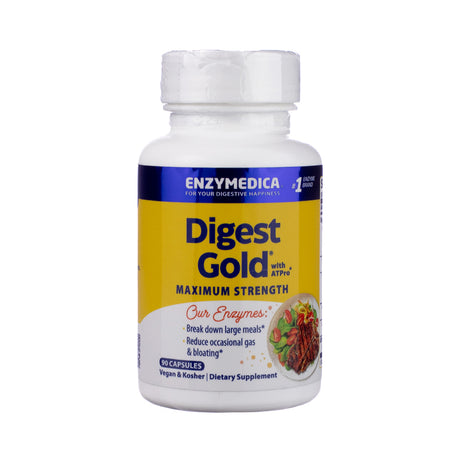
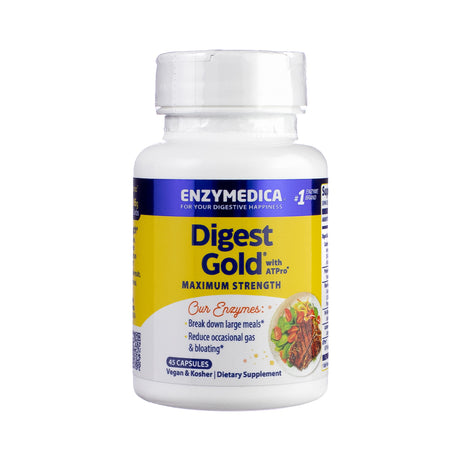
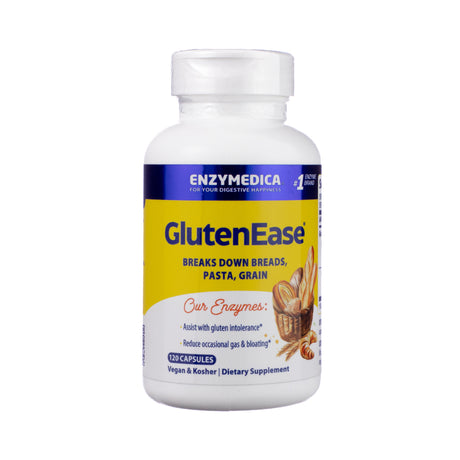
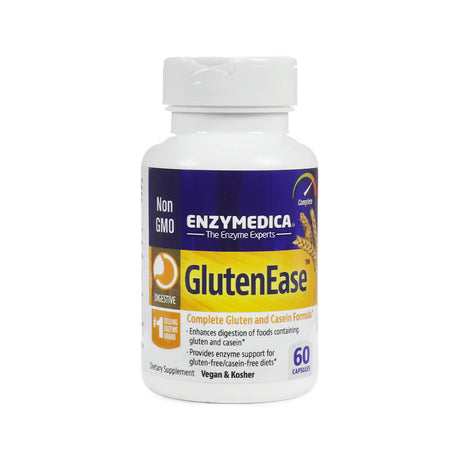
Not every product here does the same thing. Enzymedica Digest is more of an everyday broad formula for proteins, fats, carbs, and fiber. Enzymedica Digest Gold With ATPro is a stronger broad-spectrum option that a lot of people use for heavier meals. Then there are more targeted picks like Enzymedica Lacto for dairy digestion support, or Enzymedica GlutenEase for meals that contain gluten and casein.*
The main enzyme types, in plain terms
- Protease breaks down protein. Useful for meat-heavy or high-protein meals.*
- Amylase works on starches and carbohydrates, think bread, pasta, potatoes.*
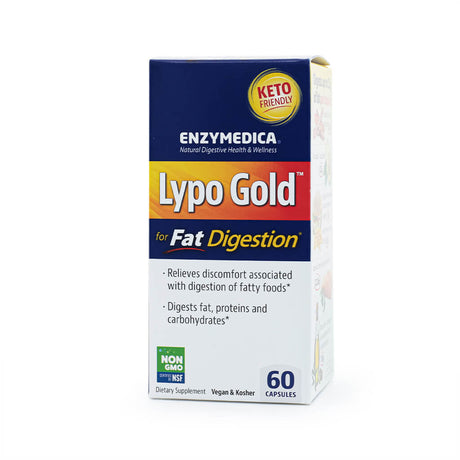
- Lipase handles fats. Formulas like Lypo Gold lead with it for rich or fried meals.*
- Lactase breaks down lactose, the sugar in dairy. The key enzyme in Lacto.*
- Cellulase works on plant fiber, which human digestion doesn't break down well on its own.*
- Alpha-galactosidase targets the fermentable sugars in beans and cruciferous vegetables.*
- DPP-IV is a protease that works on stubborn protein fragments from gluten and casein. Found in GlutenEase and Digest Spectrum.*
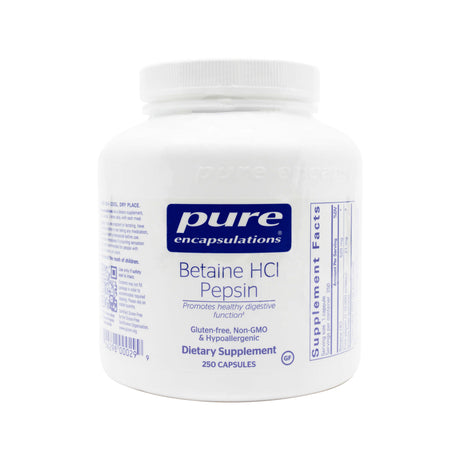
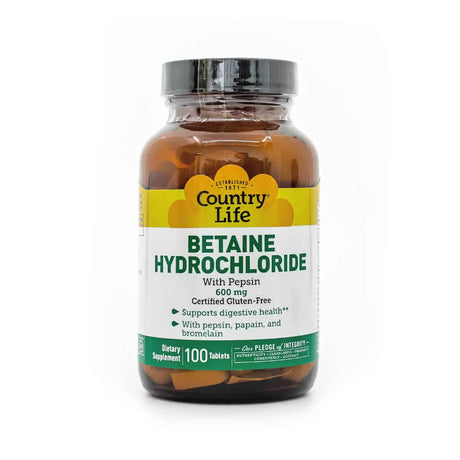
- Betaine HCl and pepsin are a different tool: they support stomach acid rather than adding plant enzymes. See Pure Encapsulations Betaine HCl Pepsin and read directions carefully.
Who might want a digestive enzyme supplement
We usually point people to this category when the issue seems tied to meals, not something that runs all day. Maybe dairy-heavy foods are the main trigger. Maybe rich restaurant meals sit like a brick. Maybe beans, vegetables, or big mixed meals are the pattern. Once you notice that kind of pattern, it gets a lot easier to pick the right product.
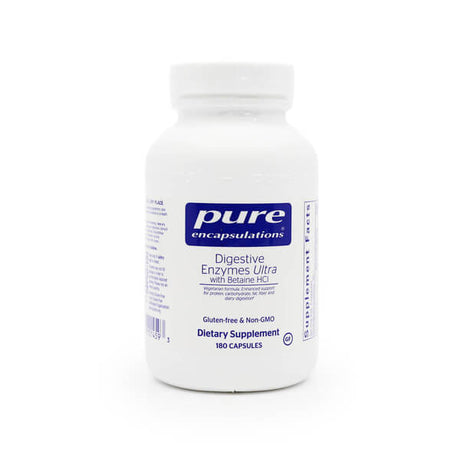
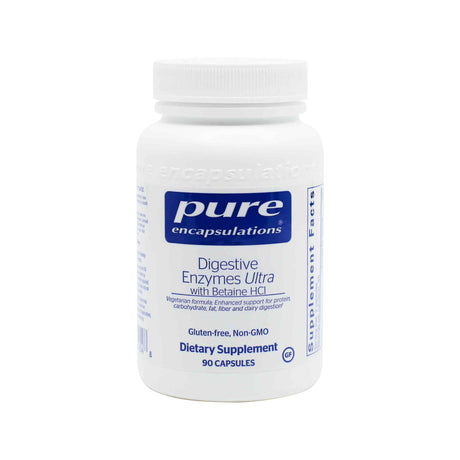
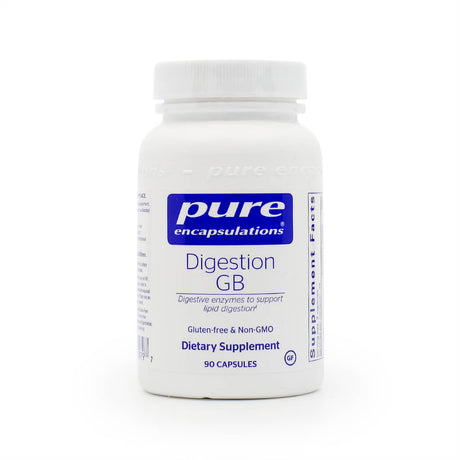
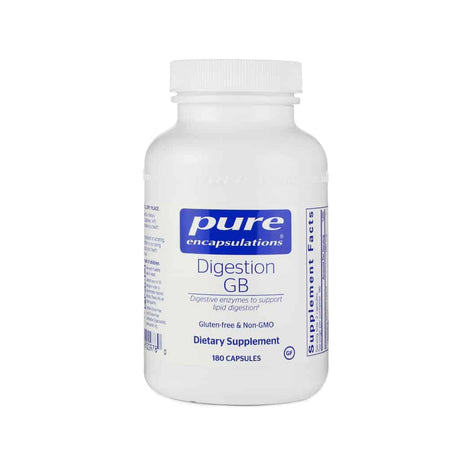
If you want broader support with meals in general, a full-spectrum formula usually makes the most sense. Enzymedica Digest Basic is a gentler place to start. Pure Encapsulations Digestive Enzymes Ultra with Betaine HCl is a more robust option when heavier meals are the bigger issue. If fat digestion is your main concern, Pure Encapsulations Digestion GB combines enzymes with herbal support aimed at fat breakdown.*
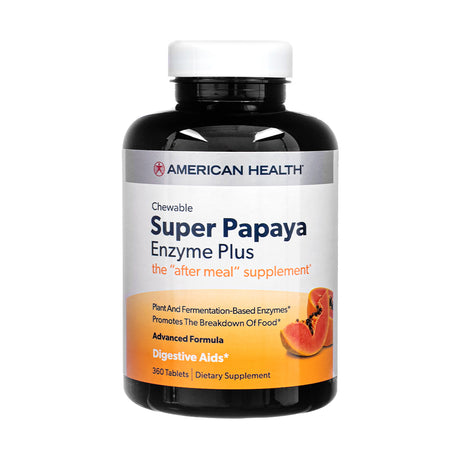
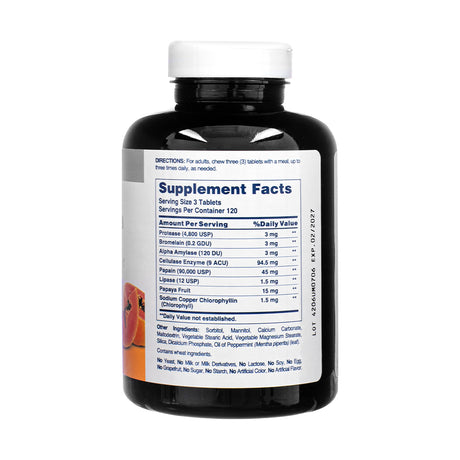
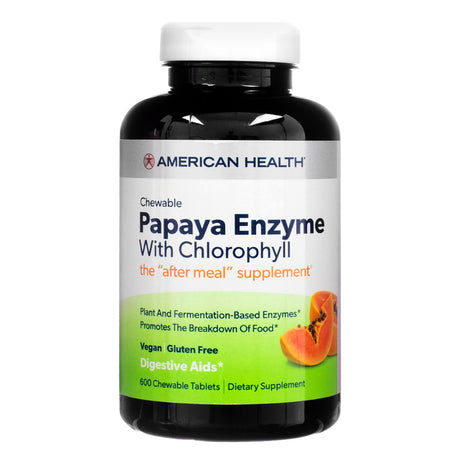
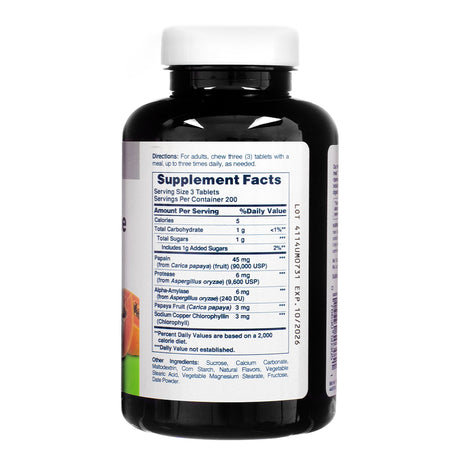
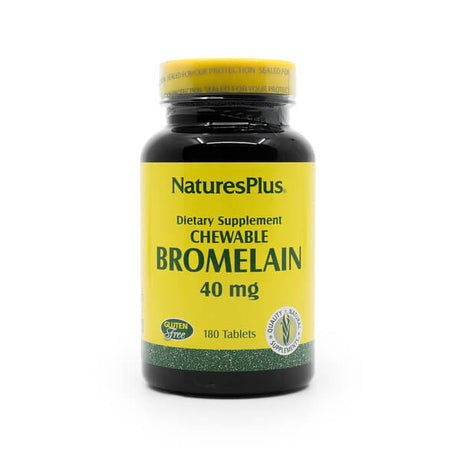
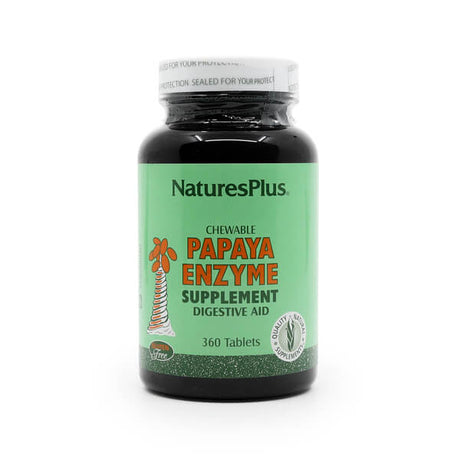
Some people would rather use chewables after meals instead of capsules before meals. That's where papaya and bromelain products come in. American Health Super Papaya Enzyme Plus and NaturesPlus Papaya Enzyme Chewables are simple, lower-commitment options if you want something easy after eating.*
How to choose the best digestive enzymes for your needs
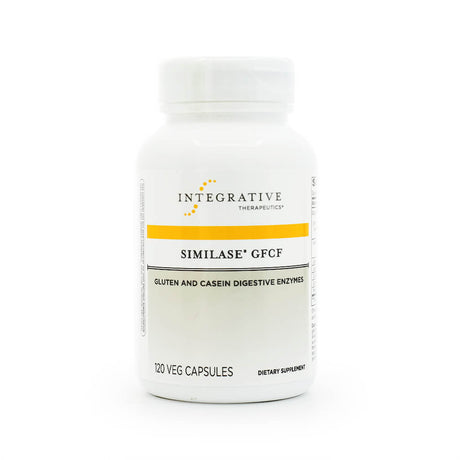
Start by matching the formula to the food. If dairy is the obvious trigger, a targeted product usually beats a random broad blend: Lacto focuses on lactose and casein. If gluten-containing meals are the issue, GlutenEase or Digest Spectrum may fit better, especially if beans and vegetables are also on the list.* One thing to be clear about: gluten-targeting enzymes are not a treatment for celiac disease and do not make gluten safe for people with celiac. If you have celiac, the only safe approach is strict avoidance.
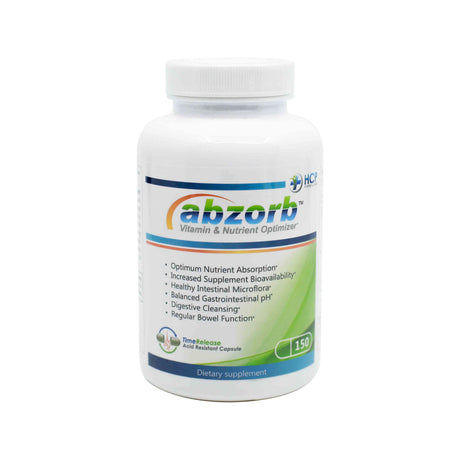
Then look at what else is in the formula. Enzymedica Digest Gold + Probiotics combines enzymes with probiotics for people who want meal support and microbiome support in one capsule. HCP Formulas Abzorb goes a step further and pairs digestive support with ingredients aimed at nutrient absorption.*
Timing matters too. Most capsule enzymes are taken right before a meal or with the first few bites, and chewable papaya products during or after. Our timing and dosage guide walks through this meal by meal.
How to read the strength units on an enzyme label
Enzyme labels list activity units instead of milligrams, because enzymes are measured by what they do, not how much powder is in the capsule. The units come from FCC testing methods, and each enzyme type has its own: DU for amylase, HUT for protease, FIP for lipase, ALU for lactase, CU for cellulase.
A real example: each capsule of Digest Gold lists 23,000 DU of amylase, 80,000 HUT of protease, 4,000 FIP of lipase, and 900 ALU of lactase. You can't compare a DU number against a HUT number, they measure different reactions, but within the same unit, more activity means a stronger enzyme. That's how you can tell Digest Gold is a stronger formula than Digest Basic without guessing from marketing language.
Higher isn't automatically better. A very strong formula makes sense for large or rich meals, and can be more than you need for a light lunch. Match strength to how you actually eat.
Common mistakes people make
The biggest mistake is buying a formula that doesn't match the problem. If cheese and ice cream are the issue, start with a dairy-focused product. If it happens with mixed meals in general, use a broad-spectrum enzyme. Simple, but people miss that step all the time.
Another is assuming more always means better. Start with the pattern of your meals and their size, then move up only if needed.
One more thing: digestive discomfort that is new, persistent, getting worse, or not clearly tied to food should not be brushed off as "I just need enzymes." That's the point where it's time to stop guessing and get checked.
Digestive enzyme FAQs
When should I take digestive enzymes?
Capsules generally go down right before the meal or with the first few bites, so the enzymes are in the stomach while the food is. Chewable papaya tablets are usually used during or after eating. Our full timing guide covers dosing by meal size.
Do digestive enzymes have side effects?
Most people tolerate food-sourced enzymes well. A sensible way to start is with one meal a day for the first week, then expand if it's going fine. Formulas with betaine HCl deserve extra care, follow the label closely. If anything feels off, stop and check with a clinician. The timing guide has a section on what the first week can look like.
Enzymes or probiotics: which do I need?
They do different jobs. Enzymes act on the meal you just ate. Probiotics are live organisms that support the gut itself over time. Some people use both, and Digest Gold + Probiotics combines them. For the bacteria side of the story, see our prebiotics vs. probiotics explainer.
What's the strongest digestive enzyme you carry?
Enzymedica Digest Gold with ATPro, by label activity: 80,000 HUT protease, 23,000 DU amylase, and 4,000 FIP lipase per capsule. Strongest is not the same as best for you, a targeted formula often does more for a specific food trigger.
Which enzyme helps with dairy?
Lactase, which breaks down lactose. Lacto leads with it and adds enzymes for casein, the dairy protein. Taking it with the first bite of the dairy-containing food is the usual approach.*
Can enzymes replace a gluten-free diet?
No. DPP-IV formulas like GlutenEase are for people who feel better minimizing stray gluten in mixed meals, not for anyone who medically must avoid it. Celiac disease requires strict avoidance, full stop.
Do digestive enzymes help with weight loss?
No, and we'd rather tell you that upfront. Enzymes help break food down; they don't burn fat or change how many calories you absorb in a way that produces weight loss. If a product promises that, be skeptical.
Are these vegetarian?
Many are. Enzymedica's formulas here use fermented, plant-origin enzymes in 100% vegetarian capsules, per their labels. A few practitioner products in the category use animal-derived pancreatic enzymes, so check the label on any specific product, or ask us.
Can I take digestive enzymes every day?
Meal-support enzymes are commonly taken with meals daily. If you're planning to lean on them long term, it's worth a conversation with a practitioner about why the meals are hard in the first place.
Is there an option for kids?
Enzymedica Kids Digest is a chewable made for children, and Animal Parade Tummy Zyme is another chewable option. Check with your pediatric provider before starting a child on any enzyme.
What is betaine HCl, and is it an enzyme?
It isn't. Betaine HCl supports stomach acid, and it's usually paired with pepsin, which is a protein-digesting enzyme. It's a different approach from plant-enzyme blends and the one category here where we'd most strongly suggest guidance from a practitioner.
Why buy enzymes from The Healthy Place?
We're an independent supplement shop with four stores around Madison, Wisconsin, and we stock the practitioner brands you'd otherwise need an appointment to buy: Enzymedica, Pure Encapsulations, Thorne, Integrative Therapeutics. Order online or walk in and ask our Wellness Consultants which formula fits the way you eat.
A note on sourcing and review
Product facts on this page, enzyme counts, activity units, serving sizes, come from current manufacturer labels. Reviewed for accuracy by our licensed clinical team: doctors, nurse practitioners, and functional medicine specialists at The Healthy Place Clinic in Madison, WI.
These statements have not been evaluated by the Food and Drug Administration. These products are not intended to diagnose, treat, cure, or prevent any disease.




 Start your journey
 Contact Us